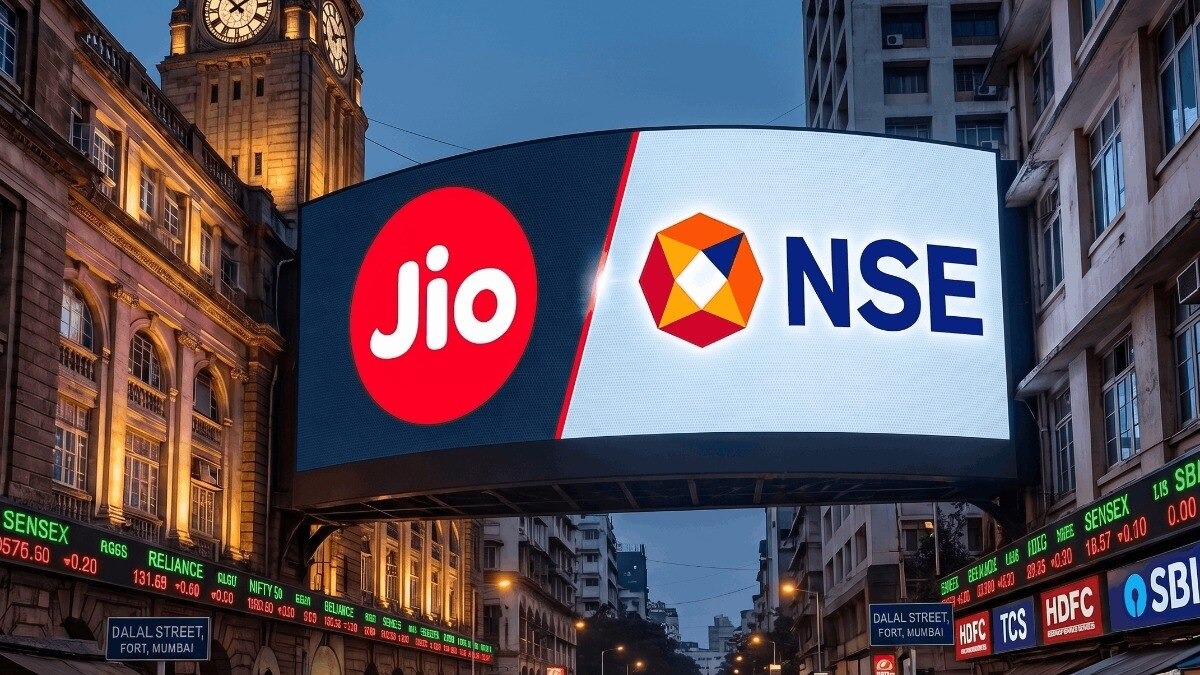
As mega-listings like Jio Platforms and the NSE prepare for public debuts, early investors are highlighting the distinct risks and rewards of pre-IPO investing. While unlisted shares can offer attractive valuation entries, they require capital patience to navigate extended illiquidity windows and strict post-listing regulatory lock-ins.
MUMBAI, India — Indian capital markets are witnessing an unprecedented wave of liquidity transitions as state-backed entities and domestic mega-corporations formally advance their public listing schedules.
Led by the recent regulatory filings of Jio Platforms Limited and long-awaited market structural updates from the National Stock Exchange of India (NSE), the domestic primary market is bracing for historic liquidity taps. Amid this buildup, early unlisted market participants have come forward to detail the intricate operational risks, capital patience, and volatile premium changes that define investing before an initial public offering (IPO).
The Pre-IPO Mechanics: Assessing Capital Lock-Ins
Investing in late-stage startups or unlisted corporate giants before their official exchange debut has historically been an institutional privilege. However, structural changes overseen by the Securities and Exchange Board of India (SEBI) have allowed high-net-worth individuals and family offices to participate via localized unlisted share desks.
Five institutional and seasoned private investors who hold stakes in the unlisted shares of NSE and Jio Platforms outlined the fundamental realities of pre-IPO allocations:
Extended Illiquidity Timelines: Unlike standard stock exchange transactions, pre-IPO assets do not offer instant liquidation pathways. Investors must expect multi-year capital lock-ins before regulatory approvals open standard exit routes.
Grey Market Premium (GMP) Volatility: Share valuations in the unlisted space are driven purely by asymmetric demand. A share can trade at a steep premium today and drop significantly tomorrow based on speculative changes in listing timelines.
Post-Listing Regulatory Moratoriums: Under current SEBI guidelines, pre-IPO equity shares allocated to non-promoter entities face a mandatory six-month lock-in period from the official listing date, preventing investors from selling during immediate opening-day pops.
Landmark Listings Target Historic Primary Pipeline
The scale of the current pipeline explains why early interest has reached a high pitch. Jio Platforms Limited formally advanced its public market track by submitting its Draft Red Herring Prospectus (DRHP) to regulatory desks, mapping out a massive fresh issue of 27 crore equity shares to retire corporate liabilities at its core telecom subsidiary.
Simultaneously, the National Stock Exchange of India is working through residual regulatory updates to clear its path for a public listing. Combined with massive, confidential tech filings from online travel platforms like MakeMyTrip, these upcoming mega-issues are projected to draw significant institutional interest in the coming months.
Balancing the Risks: Valuations and Governance Realities
For retail market observers looking at pre-IPO avenues, seasoned managers advise rigorous accounting checks over speculative buying.
While pre-IPO placements can offer substantial valuation discounts compared to ultimate listing price bands, they also expose capital to structural transaction risks. If a company delays its listing due to broader market volatility or global macroeconomic friction, pre-IPO buyers remain locked in indefinitely, carrying corporate governance risks without the clear oversight provided by public exchange frameworks.
Official Sources Section
According to official listing circulars and regulatory notifications managed by the National Stock Exchange of India and the BSE Limited, all pre-IPO share transactions executed through specialized venture capital desks must comply with the strict disclosure rules enforced under the SEBI (Issue of Capital and Disclosure Requirements) Regulations.
Expert Insight
"According to market operations desk officials, the interest in pre-IPO placements reflects an institutional rush to secure structural allocations before retail bidding caps are applied," noted a primary institutional market consultant. "However, early market participants emphasize that unlisted equities demand a long-term capital approach. Investors who enter these positions without factoring in the six-month post-listing lock-in frequently face liquidity pressures if global macro conditions shift."
Why It Matters
For regular retail investors, family offices, and wealth managers, understanding the pre-IPO market helps separate actual corporate growth from speculative hype. While high-profile listings like Jio Platforms and NSE present real opportunities for capital appreciation, knowing how illiquidity timelines, strict regulatory lock-ins, and high unlisted premiums work allows market participants to protect their cash and navigate the primary market safely.
Key Facts at a Glance
Major Pipeline Launches: Tech and infrastructure heavyweights, including Jio Platforms and the NSE, are advancing their public market debut plans.
Liquidity Restrictions: Pre-IPO allocations carry strict statutory lock-ins, including a mandatory six-month selling ban after the listing day.
Pricing Vulnerabilities: Unlisted equity values rely on independent demand metrics, making them highly sensitive to speculative swings compared to regulated exchange instruments.
Corporate Asset Protection: Proceeding through verified demat conversion routes helps protect early participants from counterparty clearing risks.
FAQ Section
What is a pre-IPO investment?
It refers to the purchase of equity shares in a closely held or large unlisted corporation before the company formally lists its shares on public platforms like the BSE or NSE.
What is the post-listing lock-in rule for early investors?
Under SEBI corporate rules, shares acquired by non-promoter investors prior to an initial public offering are subject to a mandatory six-month selling freeze starting from the official listing date.
Where can public participants verify official IPO draft prospectuses?
All officially filed Draft Red Herring Prospectuses (DRHPs), regulatory queries, and clearing observations are open to the public on the main compliance database of the Securities and Exchange Board of India.
Source: Securities and Exchange Board of India Operational Notices, National Stock Exchange of India Corporate Archive, BSE Limited Listing Compliance Portals.