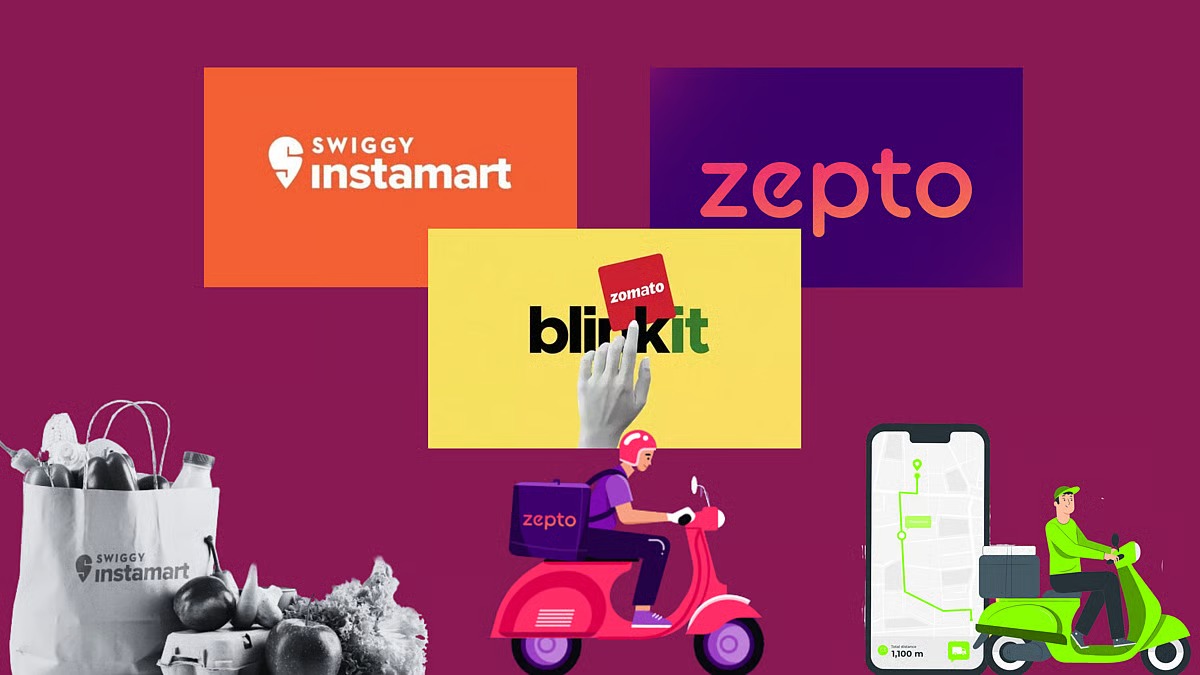
India’s quick commerce sector has undergone a seismic transformation, evolving from a niche convenience to a mainstream retail force. Blinkit, Zepto, and Swiggy Instamart have emerged as the dominant players, redefining consumer expectations and reshaping urban logistics. This article explo...
India’s quick commerce sector has undergone a seismic transformation, evolving from a niche convenience to a mainstream retail force. Blinkit, Zepto, and Swiggy Instamart have emerged as the dominant players, redefining consumer expectations and reshaping urban logistics. This article explores the origins, rise, impact, and future trajectory of quick commerce in India.
The Genesis of Quick Commerce in India
The journey began in 2013 with Grofers, a grocery delivery startup founded in Gurgaon
Initially offering 90-minute deliveries, Grofers connected local kirana stores to consumers
By 2015, Grofers was handling nearly 30,000 orders daily and had secured $120 million in funding
In 2021, Grofers rebranded as Blinkit and introduced sub-30-minute deliveries, marking a pivotal shift in consumer behavior
Rapid Growth and Market Expansion
The COVID-19 pandemic accelerated demand for instant delivery, propelling quick commerce into the spotlight
By 2024, the industry reached a market size of $6.1 billion, driven by changing consumer habits and increased digital adoption
Blinkit, Zepto, and Swiggy Instamart now collectively handle over 4.3 million orders daily
Blinkit leads the market with over 40% share, operating in 100+ cities and serving 16 million monthly users
How Quick Commerce Works
Companies rely on dark stores—mini warehouses not open to the public but strategically stocked for rapid fulfillment
Orders are processed through automated dispatch systems and delivered via two-wheelers using optimized routes
The average delivery time ranges between 10 to 30 minutes, depending on location and demand
Impact on Traditional Retail
Quick commerce has disrupted India’s 13 million kirana stores, reducing consumer spending on them by approximately $1.28 billion
Around 200,000 kirana stores have reportedly shut down due to competitive pressure
The shift has sparked concerns from trade bodies like the All India Consumer Products Distributors Federation, citing unfair competition and regulatory gaps
Challenges and Controversies
Despite its popularity, profitability remains elusive for most quick commerce firms due to high operational costs and low average order values
Zepto has faced backlash over alleged dark patterns, including hidden cash handling fees and deceptive payment defaults
Regulatory scrutiny has intensified, with food safety authorities inspecting dark stores for hygiene and compliance
Consumer Behavior and Urban Culture Shift
Quick commerce has changed how urban consumers shop, with many now relying on instant delivery for essentials and impulse buys
The model has also contributed to job creation in logistics and warehousing, though concerns persist over gig worker safety and rights
Viral social media moments, such as delivery agents congregating at junctions, have become symbolic of India’s evolving retail landscape
Looking Ahead: Sustainability and Innovation
Blinkit recently outpaced Zomato’s food delivery unit in net order value, signaling a shift in consumer priorities
Companies are investing heavily in expanding dark store networks and improving tech infrastructure
The future may include AI-driven inventory management, drone deliveries, and deeper penetration into Tier II and III cities
However, long-term sustainability will depend on balancing speed with profitability, ethical practices, and regulatory compliance
Sources: Indian Express, News18, Financial Express, Economic Times, Business Today, Moneycontrol, Mathrubhumi