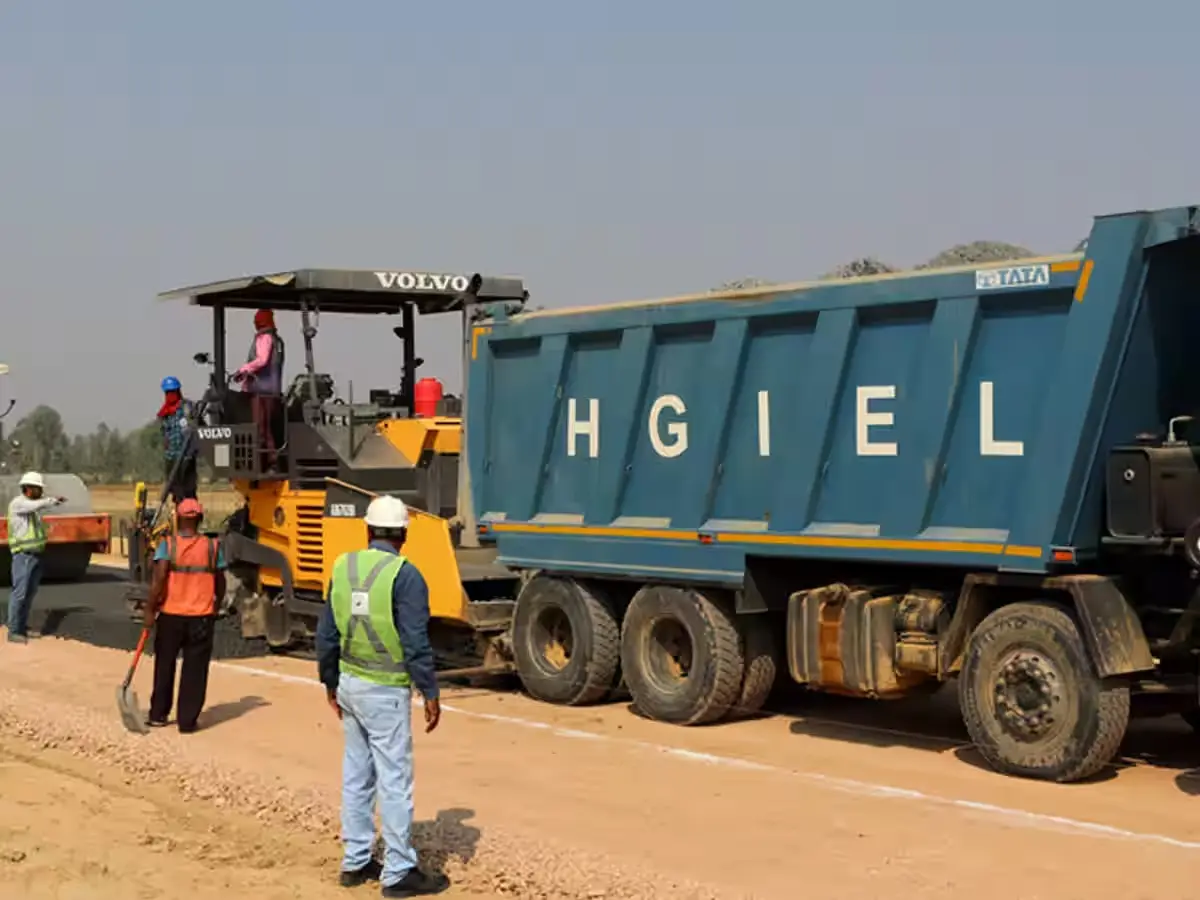
ONGC is developing new hook-up facilities to connect its Jorhat asset fields, including Khoraghat, to the North East Gas Grid. The pipeline integration streamlines gas evacuation, boosts domestic fuel availability, and supports regional clean energy distribution in alignment with national hydrocarbon development goals.
Oil and Natural Gas Corporation Limited (ONGC) has officially advanced infrastructure deployment by developing specialized hook-up facilities to integrate more Jorhat asset fields into the North East Gas Grid (NEGG). Disclosed through official corporate updates, the engineering initiative follows the successful connection of the Khoraghat natural gas wells to the regional trunk pipeline network. The strategic infrastructure expansion is designed to streamline gas evacuation, boost domestic fuel availability, and accelerate the transition toward a gas-based economy across northeastern India.
Pipeline Hook-Up Engineering and Grid Integration
The engineering works involve constructing high-pressure pipeline hook-ups, metering stations, and surface production manifold modifications to link ONGC's decentralized hydrocarbon blocks directly with the 1,656-kilometer pipeline grid managed by Indradhanush Gas Grid Limited (IGGL). According to corporate project disclosures, the integration encompasses key production fields in Jorhat and Golaghat districts, including Khoraghat, Kasomarigaon, and Dayalpur.
The technical architecture enables seamless withdrawal and transport of natural gas from multi-layered subsurface reservoirs, ensuring continuous off-take without flaring or production throttling. Company engineers noted that establishing robust tie-ins optimizes field pressure management and links remote upstream assets to major commercial consumption hubs across the region.
Strategic Regional Impact and Hydrocarbon Vision 2030
For industrial consumers, local commercial businesses, and city gas distribution networks across the northeastern states, expanded grid connectivity guarantees stable, clean energy supplies. The integration directly supports the objectives outlined in the Government of India's Hydrocarbon Vision 2030, which seeks to harness regional hydrocarbon potential and substitute traditional fossil fuels with cleaner pipeline gas.
Market analysts emphasize that unlocking stranded gas reserves through systematic pipeline tie-ins enhances asset monetization for upstream producers while driving regional industrialization.
Official Sources Section
Project progression details, pipeline connection milestones, and infrastructure scope are documented according to official corporate statements and regulatory announcements published by Oil and Natural Gas Corporation Limited (ONGC) and Indradhanush Gas Grid Limited (IGGL).
"According to officials, developing dedicated hook-up facilities to connect Jorhat and Khoraghat fields to the North East Gas Grid represents a critical milestone in maximizing regional gas monetization and distribution efficiency."
Why It Matters
The practical implications of connecting ONGC's Jorhat fields to the North East Gas Grid eliminate logistical bottlenecks for upstream natural gas evacuation. For local economies, reliable pipeline distribution facilitates cleaner energy adoption for manufacturing units, commercial establishments, and household consumers.
Key Facts at a Glance
Project Developer: Oil and Natural Gas Corporation Limited (ONGC).
Key Pipeline Network: North East Gas Grid (NEGG) implemented by IGGL.
Target Asset: Jorhat Asset (including Khoraghat, Kasomarigaon, and Dayalpur fields).
Infrastructure Scope: Construction of hook-up facilities and surface production manifolds for seamless gas evacuation.
Frequently Asked Questions (FAQ)
What infrastructure is ONGC developing in its Jorhat fields?
ONGC is developing specialized hook-up facilities and pipeline tie-ins to connect its regional gas fields to the North East Gas Grid.
Which specific fields are being connected to the grid?
The integration covers major production fields within the Jorhat Asset, including Khoraghat, Kasomarigaon, and Dayalpur.
What is the purpose of the North East Gas Grid (NEGG)?
The NEGG is a 1,656-kilometer pipeline network designed to connect capital cities and demand centers across northeastern states to reliable natural gas supplies.
How does this project align with national energy policies?
The pipeline integration supports the Government of India's Hydrocarbon Vision 2030 by promoting a gas-based economy and monetizing regional hydrocarbon reserves.
Source: Oil and Natural Gas Corporation Limited (ONGC), Indradhanush Gas Grid Limited (IGGL)