Luxury real estate developer TARC Limited recorded a strong performance for Q1 FY27, posting ₹6.02 billion in presales alongside ₹3.05 billion in operational cash collections. Driven by high demand for its upscale Delhi-NCR residential towers, the solid numbers support the firm's ongoing debt-reduction strategy.
NEW DELHI, India — Premium North Indian real estate developer TARC Limited officially announced Tuesday, July 7, 2026, that it achieved robust presales bookings of ₹6.02 billion ($72.2 million) for the first quarter of the 2026–27 fiscal year ended June 30, 2026.
The regulatory disclosure, filed with BSE Limited and the National Stock Exchange of India (NSE) during morning trading hours, outlines an accelerating sales trajectory driven by the sustained demand for high-end gated communities. Alongside the firm’s milestone presales numbers, TARC reported strong operational cash management, pulling in a total quarterly collection pool of ₹3.05 billion. The performance marks a distinct year-on-year advancement over the previous fiscal period’s cash collections, reflecting superior project execution timelines and heightened homebuyer confidence across the National Capital Region (NCR).
Luxury Residential Footprint and Booking Velocity
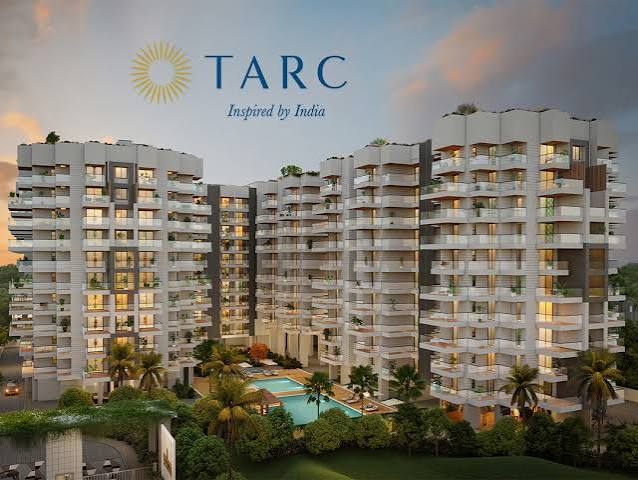
The New Delhi-headquartered luxury developer achieved its ₹6.02 billion presales benchmark by accelerating inventory liquidation across its flagship high-rise residential properties in New Delhi and Gurugram. Booking volumes were heavily spearheaded by the secondary phases of its marquee ultra-luxury developments, notably TARC Kailasa in West Delhi and TARC Ishva situated in sector 63A, Gurugram.
The steady sales performance highlights the shifting landscape of India’s metropolitan property markets, where high-net-worth individuals (HNIs) are increasingly prioritizing premium multi-acre complexes equipped with upscale amenities, dedicated green zones, and integrated security grids.
According to technical statistics recorded inside the firm's investor updates, the average realized selling price for its active luxury high-rise units hovered between ₹20,000 and ₹25,000 per square foot. This strong pricing baseline effectively insulates the company’s forward financial structure, offsetting rising construction material expenses like cement and structural steel.
Deleveraging Blueprints and Medium-Term Capital Goals
The surge in cash collections to ₹3.05 billion directly advances TARC’s corporate balance sheet restructuring objectives. Unlike asset-light developers who rely on expensive external debt to secure project territory, TARC maintains a significant competitive advantage by utilizing its completely owned, debt-free historical land bank which exceeds 550 acres across New Delhi, Noida, and Gurugram.
The company's board has explicitly committed its growing project cash flows toward institutional debt reduction. According to its long-term corporate guidance sheets, the real estate developer aims to achieve a completely net-debt-free status within the next 24 months, using free project cash reserves to retire outstanding high-coupon Non-Convertible Debentures (NCDs). By avoiding dilutive secondary public stock issues, this strategy lowers corporate interest burdens and channels more profit directly to shareholders.
Revenue Recognition and Market Outlook
The strong Q1 performance sets a highly favorable tone for the remainder of the 2026–27 fiscal year. TARC has formally maintained its full-year corporate revenue guidance in a stable band between ₹16.0 billion and ₹18.0 billion.
Under current Indian accounting standards (Ind AS 115), real estate revenue can only be recognized and logged on the official profit-and-loss sheet after construction crosses specified milestone thresholds or upon physical handover to the buyer. The successful completion and occupancy certification of its TARC Tripundra project has triggered major revenue recognition phases, assisting the company’s recent return to full-year net profitability.
Official Sources Section
The underlying presales values, cash collections logs, and regional project developments cited throughout this reporting conform to the formal corporate disclosures dispatched by TARC Limited under listing identifier TARC, matching public data registries handled by the Securities and Exchange Board of India (SEBI).
Quote Section
"According to officials and operational monitoring updates published on Tuesday morning, our focused pivot toward high-value luxury developments continues to yield positive results, aligning with our goal of generating approximately ₹10,000 crore in cumulative cash flows over a five-year horizon," noted the executive management board in its regulatory filing review.
Why It Matters
For home buyers and premium property investors, TARC’s steady ₹3.05 billion collection rate confirms that the company is well-capitalized to sustain rapid on-site construction without running into structural delays. For public market equity participants, the combination of high presales velocity and targeted debt reduction creates a strong foundation for a potential stock re-rating. This balance helps protect the developer from broader macroeconomic pressures like extended high interest rate cycles.
Key Facts at a Glance
Presales Milestone: TARC secured ₹6.02 billion in new luxury bookings during Q1.
Liquidity Influx: Total operational cash collections hit ₹3.05 billion, marking a solid year-on-year increase.
Premium Pricing Power: Average premium realized sales values held strong between ₹20,000 and ₹25,000 per square foot.
Fiscal Target: The developer is on track to hit its full-year FY27 revenue target of ₹16.0 billion to ₹18.0 billion.
Asset Foundation: Growth is backed by a prime 550-plus acre owned land bank across Delhi-NCR.
Frequently Asked Questions
What is the difference between presales and collections for a real estate firm?
Presales track the total value of binding sale agreements signed by buyers for upcoming or under-construction properties. Collections represent the actual cash paid by those buyers over the quarter based on construction milestones.
Which premium projects drove TARC’s strong first-quarter performance?
Growth was primarily powered by strong booking demand and buyer interest at premium developments in the Delhi-NCR region, including TARC Kailasa, TARC Ishva, and TARC Tripundra.
How does holding a massive owned land bank protect the developer?
Owning land outright allows TARC to launch new luxury developments without taking on expensive upfront acquisition loans. This lowers total project input costs and yields higher profitability margins compared to asset-light competitors.
Source: Listing compliance circulars and business performance updates submitted by TARC Limited to the National Stock Exchange of India (NSE) and BSE Limited investor portals.