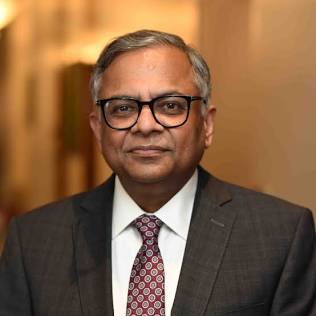
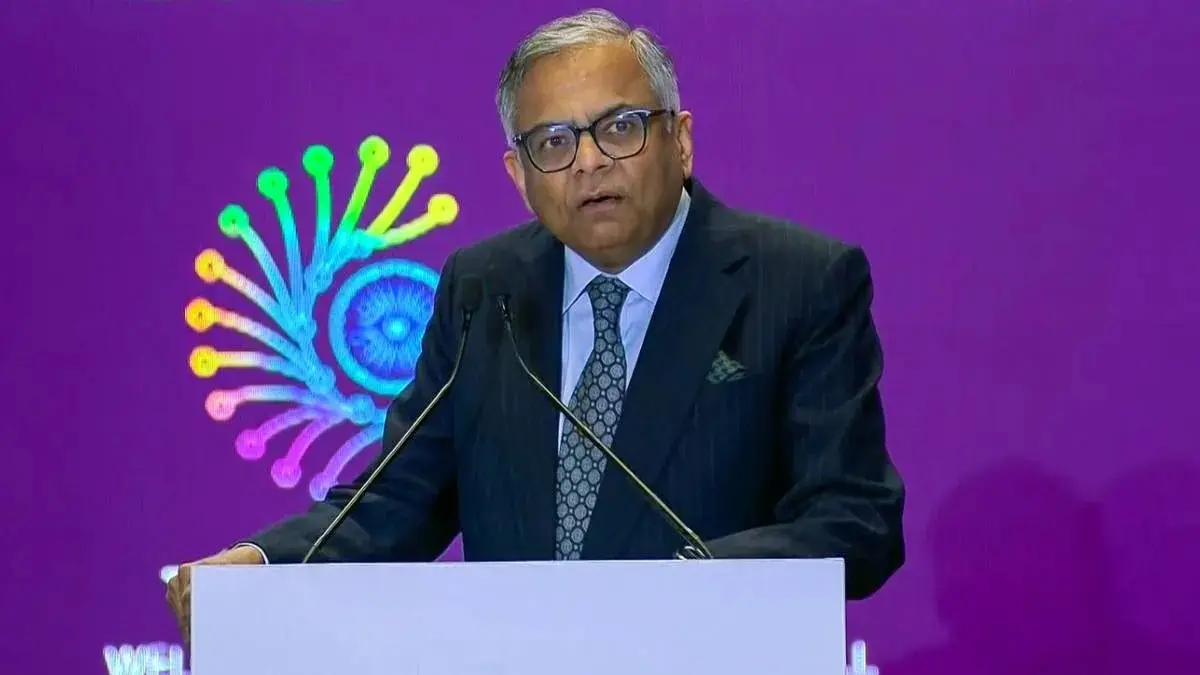
Tata Sons Chairman N Chandrasekaran is evaluating stepping down ahead of the company's August 18, 2026 Annual General Meeting. The decision follows uncertainty regarding his director reappointment vote and strategic differences with majority shareholder Tata Trusts, despite his formal chairman contract running through February 2027.
MUMBAI — Tata Sons Chairman Natarajan Chandrasekaran is considering stepping down from his post ahead of the holding company’s Annual General Meeting scheduled for August 18, 2026, according to corporate sources cited by news agency reports on Wednesday. While Chandrasekaran's formal term as chairman runs until February 2027, his executive continuation remains legally contingent upon shareholder approval for his reappointment as a company director.
The development follows mounting governance friction between Tata Sons executive leadership and Tata Trusts Chairman Noel Tata, who heads the philanthropic arm controlling a 66 percent majority stake in the holding firm. Sources indicate Chandrasekaran has evaluated resigning prior to the August 18 meeting rather than allowing his leadership to become the subject of a contentious shareholder ballot, though he intends to ensure a smooth transition during any exit process.
Boardroom Rift and Voting Complications
The operational standoff stems from broader disagreements concerning corporate strategy and capital deployment. The Tata Sons board previously deferred a decision on Chandrasekaran's extension as chairman after reservations were raised by Noel Tata regarding the financial performance of newer growth ventures, including digital and retail platforms.
The upcoming voting process faces additional legal hurdles involving the Sir Ratan Tata Trust (SRTT), a principal constituent of Tata Trusts. The Maharashtra Charity Commissioner recently restrained SRTT trustees from making administrative policy decisions pending an inquiry into compliance under the Maharashtra Public Trusts Act. Because Tata Sons’ Articles of Association mandate joint nominations from majority trusts to vote at shareholder meetings, legal teams are evaluating whether trustees can participate in the director reappointment vote without explicit regulatory clearance.
| Strategic Metric | Corporate Profile & Details |
| Current Designation | Executive Chairman, Tata Sons |
| Formal Term Expiration | February 2027 |
| Prerequisite Requirement | Directorship Reappointment at August 18 AGM |
| Controlling Shareholder | Tata Trusts (66% Equity Stake) |
| Conglomerate Valuation | ~$400 Billion Global Enterprise |
Market Reaction and Leadership Legacy
News of the potential leadership transition prompted cautious trading across publicly listed Tata Group entities on Indian stock exchanges. Shares of major subsidiaries, including Tata Consultancy Services (TCS), Tata Motors, Titan Company, and Tata Power, traded lower on Wednesday as institutional investors assessed the potential impact on group governance.
Chandrasekaran joined the conglomerate in 1987, serving as Chief Executive Officer of TCS from 2009 until taking the helm at Tata Sons in 2017. During his nine-year tenure as chairman, the holding company oversaw the acquisition of Air India, expanded semiconductor manufacturing commitments, and consolidated its electric vehicle supply chain.
Official Sources Section
According to official corporate filings submitted to BSE Limited and the National Stock Exchange of India (NSE), the Annual General Meeting notice issued by Tata Sons includes standard shareholder resolutions regarding director rotation pursuant to the Companies Act, 2013.
Disclosures from market sources confirm that Tata Sons has not released a formal public announcement regarding executive resignation filings, and any official leadership transition remains subject to formal filings with the Registrar of Companies (RoC).
Quote Section
"According to officials familiar with internal discussions, Chandrasekaran has evaluated stepping aside ahead of the shareholder meeting to ensure operational continuity and avoid institutional friction across group operating companies," market sources stated.
Corporate representatives added that "the outcome remains tied to legal clarity regarding the voting mandate of charity trust representatives ahead of the scheduled August 18 assembly."
Why It Matters
The leadership transition at India's largest business empire carries major implications for institutional investors, global supply chains, and market stability:
Governance Balance: Illustrates the operational dynamics between controlling philanthropic trusts and executive leadership in major corporate holding structures.
Capital Allocation Continuity: May influence future capital commitments toward new growth ventures, including chip fabrication, green energy, and aviation.
Investor Predictability: Clear succession planning provides predictability across the group's publicly traded operating entities.
Key Facts at a Glance
Executive Status: N Chandrasekaran evaluating early exit ahead of the August 18, 2026 AGM.
Current Term: Formal chairman contract runs until February 2027.
Controlling Entity: Tata Trusts holds a 66% majority stake in Tata Sons.
Primary Friction: Strategic differences and trust representation issues under charity regulation reviews.
Frequently Asked Questions (FAQ)
Has N Chandrasekaran formally submitted his resignation?
According to news reports, Chandrasekaran has discussed the possibility of stepping down with close associates, but no formal resignation filing has been officially announced by Tata Sons.
Why does the August 18 AGM affect Chandrasekaran's role?
Under corporate bylaws, an executive chairman must hold a valid directorship on the board. Continuation as chairman requires shareholders to vote in favor of his reappointment as a director at the AGM.
What is the role of Tata Trusts in this decision?
Tata Trusts holds approximately 66 percent of the equity capital of Tata Sons, giving its nominated trustees decisive voting authority on director appointments and board resolutions.
How are Tata Group listed operating companies affected?
While day-to-day operations at individual companies like TCS and Tata Motors remain managed by their respective executive boards, holding company leadership determines long-term capital allocation and corporate strategy.
Source: BSE Limited Corporate Filings, National Stock Exchange of India (NSE) Disclosures, Tata Sons Regulatory Notices, Reuters News Reports.