Natarajan Chandrasekaran will step down as Tata Sons chairman in February 2027 after failing to secure unanimous board backing for a five-year extension. The transition ends a decade of leadership that doubled group revenues and casts uncertainty over a planned $120 billion high-tech investment roadmap.
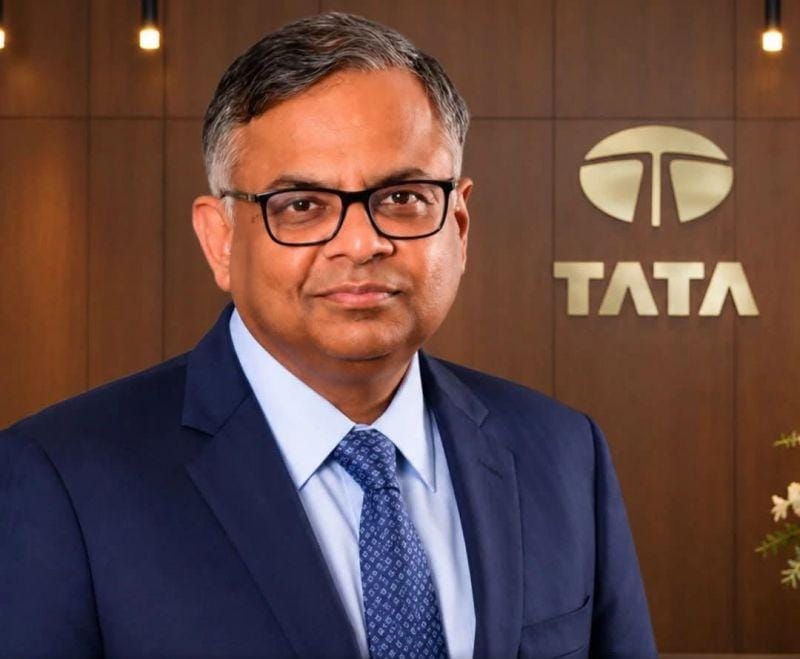
MUMBAI — Natarajan Chandrasekaran announced on Wednesday, August 12, 2026, that he will step down as chairman of Tata Sons when his tenure ends on February 20, 2027, ending a nearly decade-long leadership term. The decision follows a six-month deadlock within the Tata Sons board after a single director withheld support for a recommended five-year extension, leaving the holding company without unanimous consensus on leadership. The leadership transition casts uncertainty over the conglomerate's $120 billion capital investment program targeting semiconductors, artificial intelligence, electric vehicles, and aviation.
Board Standoff and Governance Friction
The impasse stems from a February 24, 2026 board meeting where a resolution to extend Chandrasekaran’s term for another five years failed to achieve unanimous backing. Although the principal philanthropic shareholders—the Sir Dorabji Tata Trust and the Sir Ratan Tata Trust—had previously recommended the extension, Tata Trusts Chairman Noel Tata raised concerns over new business performance and preferred a shorter two-year executive term in line with internal age policies.
Additional areas of contention included strategic roadmaps for loss-making new ventures, board representation, and potential public listing options for Tata Sons. With no resolution reached over six months, Chandrasekaran informed the board that continuing without clear leadership backing had become unsustainable, prompting his decision to refrain from seeking reappointment.
Impact on $120 Billion Capital Expenditure Plans
During his ten-year tenure, Chandrasekaran led a aggressive transformation that expanded the Tata Group's market capitalization and shifted its strategic focus toward high-tech manufacturing, supply chain resilience, and clean energy.
The impending leadership change creates operational questions around key capital-intensive initiatives currently underway:
Semiconductor and Electronics Manufacturing: Multi-billion-dollar commitments in assembly and fabrication facilities intended to position India in global supply chains.
Aviation Transformation: The multi-year integration and fleet modernization program of Air India.
New-Age Platforms: Digital and e-commerce ventures, including BigBasket and Tata Neu, which have required sustained capital infusions.
Financial Growth and Market Capitalization
Under Chandrasekaran’s leadership, the combined market capitalization of listed Tata Group companies grew significantly, rising from ₹9.31 lakh crore in FY20 to over ₹24.39 lakh crore in FY26. Aggregate group revenue doubled to ₹16.24 lakh crore in FY26, while profit after tax expanded to ₹1.71 lakh crore.
Despite strong balance sheets across core cash-flow generators like Tata Consultancy Services (TCS) and Tata Steel, group shares experienced volatility following the announcement, with select group stocks declining up to 4% as investors evaluated succession timelines.
Official Sources Section
Regulatory filings, corporate statements, and financial disclosures cited in this news report were issued directly by Tata Sons Pvt. Ltd. and filed with exchange desks at BSE Limited and the National Stock Exchange of India under SEBI governance disclosure requirements.
Quote Section
According to official corporate statements released on Wednesday, Natarajan Chandrasekaran stated:
"It is not only necessary to have a leader in place to lead the Group beyond February 2027, but also clarity on leadership is important for employees, investors, partners and other stakeholders. Under these circumstances, I have communicated to the Tata Sons Board that I have decided not to offer myself for reappointment when my term ends on February 20, 2027."
Why It Matters
The transition at India’s largest conglomerate highlights the delicate balance between professional executive leadership and controlling trust shareholders. Clarity in succession planning is vital for maintaining international partner confidence, securing long-term capital commitments, and ensuring the seamless execution of national-scale industrial projects.
Key Facts at a Glance
Executive Departure: N Chandrasekaran will step down as Tata Sons chairman on February 20, 2027.
Cause of Exit: Lack of unanimous board support for a five-year term extension.
Capital at Risk: A planned $120 billion strategic spending program across tech, semiconductor, and industrial sectors.
Tenure Financials: Group revenues doubled to ₹16.24 lakh crore during his tenure, with market capitalization exceeding ₹24 lakh crore.
FAQ Section
When will N Chandrasekaran officially step down?
N Chandrasekaran will complete his full current term and step down as chairman of Tata Sons on February 20, 2027.
Why did N Chandrasekaran choose not to seek another term?
His decision follows a board standoff in February 2026 where a proposal for a five-year extension failed to gain unanimous support from all board members.
How does this impact Tata Group’s $120 billion investment plan?
The exit introduces leadership uncertainty surrounding multi-year, capital-intensive investments in semiconductors, EV infrastructure, and aviation.
How will Tata Sons select its next chairman?
Tata Sons will form a selection committee in accordance with its Articles of Association, with significant input from Tata Trusts, which holds a 66% controlling stake.
Source: Corporate statements and regulatory filings submitted by Tata Sons Pvt. Ltd. to BSE Limited and National Stock Exchange of India.