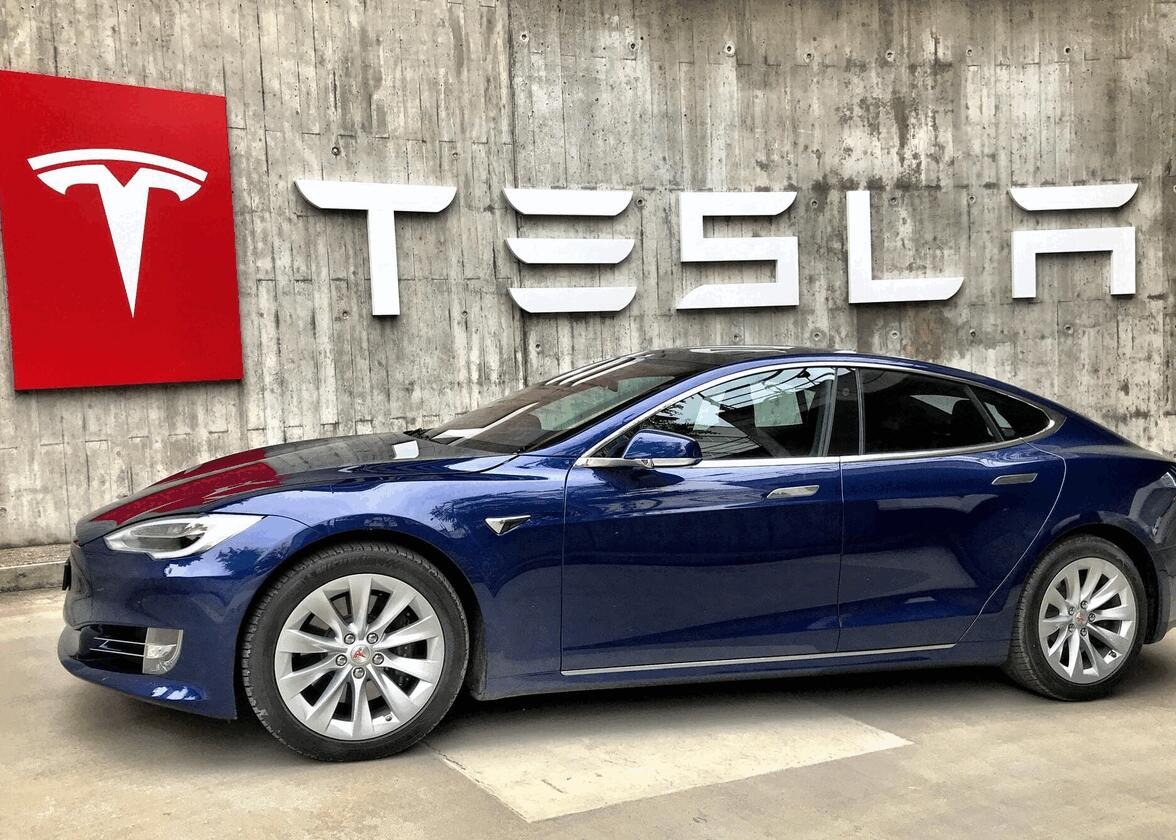
Tesla stock fell sharply after the electric vehicle manufacturer reported its first quarterly negative free cash flow in over two years. Despite record vehicle deliveries and revenue growth, aggressive capital expenditures exceeding $5.7 billion for artificial intelligence, robotaxi infrastructure, and cell production squeezed operating margins and spooked Wall Street investors.
AUSTIN, Texas — Tesla Inc. saw its stock slide as much as 9.7% following the release of its second-quarter financial results, as the electric vehicle maker recorded its first quarterly cash burn in more than two years.
The decline reflects growing investor anxiety over the short-term financial impact of Chief Executive Officer Elon Musk’s aggressive pivot toward artificial intelligence, autonomous transport, and robotics. While vehicle deliveries rebounded to record levels during the period, a massive surge in capital expenditures pushed cash flow into negative territory and compressed automotive profit margins.
Heavy Capex Drives First Cash Deficit Since 2024
Tesla reported negative free cash flow of $1.09 billion for the second quarter, breaking a two-year streak of positive quarterly cash generation. The primary catalyst for the cash burn was a 142% year-over-year increase in capital expenditure, which reached $5.79 billion.
The capital outlays were heavily directed toward scaling AI supercomputing clusters, developing the Cybercab autonomous platform, constructing the Nevada Semi factory, expanding Texas lithium refining operations, and installing first-generation manufacturing lines for Optimus humanoid robots.
While total revenue rose 26% year-over-year to $28.24 billion beating consensus expectations adjusted earnings per share came in at $0.33, missing Wall Street estimates of $0.51 per share. Operating margin contracted to 1.4% as lower average selling prices (ASPs) and shrinking regulatory credit revenue weighed on profitability.
Vehicle Deliveries Rebound Amid Margin Compression
Tesla delivered 480,126 vehicles during the quarter, setting a company record for the period and outpacing production by more than 28,000 units. The sales recovery was supported by strong demand in key overseas markets, including Australia, Japan, and South Korea, alongside regional tailwinds in Europe.
However, volume growth came at the expense of profitability per vehicle:
Price Adjustments & Incentives: Average revenue per vehicle delivered dropped to $42,730 from $45,345 a year earlier due to promotional financing and lower-priced trim offerings.
Regulatory Credit Drop: Income from regulatory credit sales fell 67% year-over-year to $146 million as competing legacy automakers expanded their own EV production to meet emissions standards.
Model Lineup Changes: The decommissioning of legacy Model S and Model X assembly lines in Fremont, California, temporarily reduced high-margin vehicle output as space was reallocated for robotics production.
Tesla's energy storage division provided a partial buffer, with deployments rising 41% year-over-year to 13.5 gigawatt-hours (GWh). However, segment gross margin dipped sequentially to 20.4% following a $240 million warranty charge related to legacy supplier battery cells.
Official Announcements & Source Filings
According to official updates published in Tesla’s quarterly shareholder release and SEC regulatory disclosures:
Capital Outlay Guidance: Management confirmed that capital expenditure will exceed $25 billion for the full year and remain elevated over the next two to three years.
Production Capacity: Battery pack assembly remains the primary bottleneck limiting global vehicle ramp-up schedules.
Autonomy Deployment: Engineering test drives for the Cybercab platform commenced on public roads, with employee shuttle services expanding at Gigafactory Texas.
Executive Statements
During the post-earnings conference call with institutional analysts, Tesla management addressed the elevated cash burn and long-term capital strategy.
"This is a massive capex year, but I am confident that all the things that we are investing in will yield incredible returns," said Elon Musk, Chief Executive Officer of Tesla. "We are laying the foundation for physical AI, from autonomous mobility to humanoid robotics."
Financial analysts noted that while the core automotive business remains cash-generative on an operational level, the velocity of re-investment creates execution risk.
"Monetization remains the central concern following the earnings miss," noted Ryan Lee, Senior Vice President of Product and Strategy at Direxion. "The core question for investors is how quickly these massive infrastructure investments can begin generating revenues that justify the current valuation."
Why It Matters for Consumers, Investors, and Markets
The results highlight a fundamental transition in Tesla’s corporate identity from a pure-play automotive manufacturer to an AI and robotics infrastructure platform.
For Investors: Wall Street must weigh short-term cash flow volatility against long-term option value in autonomous transport. At a market capitalization of $1.4 trillion, Tesla trades at a premium valuation relative to automotive peers.
For Consumers: Continued focus on low-cost Model 3 and Model Y variants indicates Tesla will maintain competitive pricing, though premium buyers will see reduced options as Model S and X production declines.
For Tech & Auto Sectors: Tesla's multi-billion dollar commitments to AI clusters and custom silicon continue to drive capital intensity trends across the wider technology sector.
Key Facts at a Glance
Stock Movement: Tesla shares fell 9.7% in trading following the earnings report.
Free Cash Flow: Reported negative $1.09 billion, marking the first quarterly cash burn since early 2024.
Capital Expenditure: Surged 142% year-over-year to $5.79 billion.
Vehicle Deliveries: Reached a quarter record of 480,126 units, up 25% year-over-year.
Revenue & Earnings: Revenue grew 26% to $28.24 billion, while adjusted EPS dropped to $0.33.
Frequently Asked Questions (FAQ)
Why did Tesla experience cash burn this quarter?
Tesla’s negative free cash flow was driven by record capital expenditures of $5.79 billion. The company heavily funded AI compute infrastructure, Cybercab development, battery cell production, and factory retooling.
Did Tesla sell fewer cars during the quarter?
No. Tesla delivered 480,126 vehicles, representing a 25% increase year-over-year and setting a company record for the second quarter. However, average selling prices were lower due to price adjustments and product mix.
What is Tesla’s projected spending for the rest of the year?
Management reiterated that full-year capital expenditures will exceed $25 billion as the company accelerates its AI and robotics manufacturing setup.
How did Tesla's energy business perform?
Tesla deployed 13.5 GWh of energy storage products, up 41% year-over-year. Revenue from energy generation and storage continued to grow, serving as a secondary growth driver alongside vehicle sales.
Source: Official filings and announcements sourced from the Tesla Investor Relations Portal, the U.S. Securities and Exchange Commission (SEC), and earnings disclosures on the NASDAQ Stock Market.