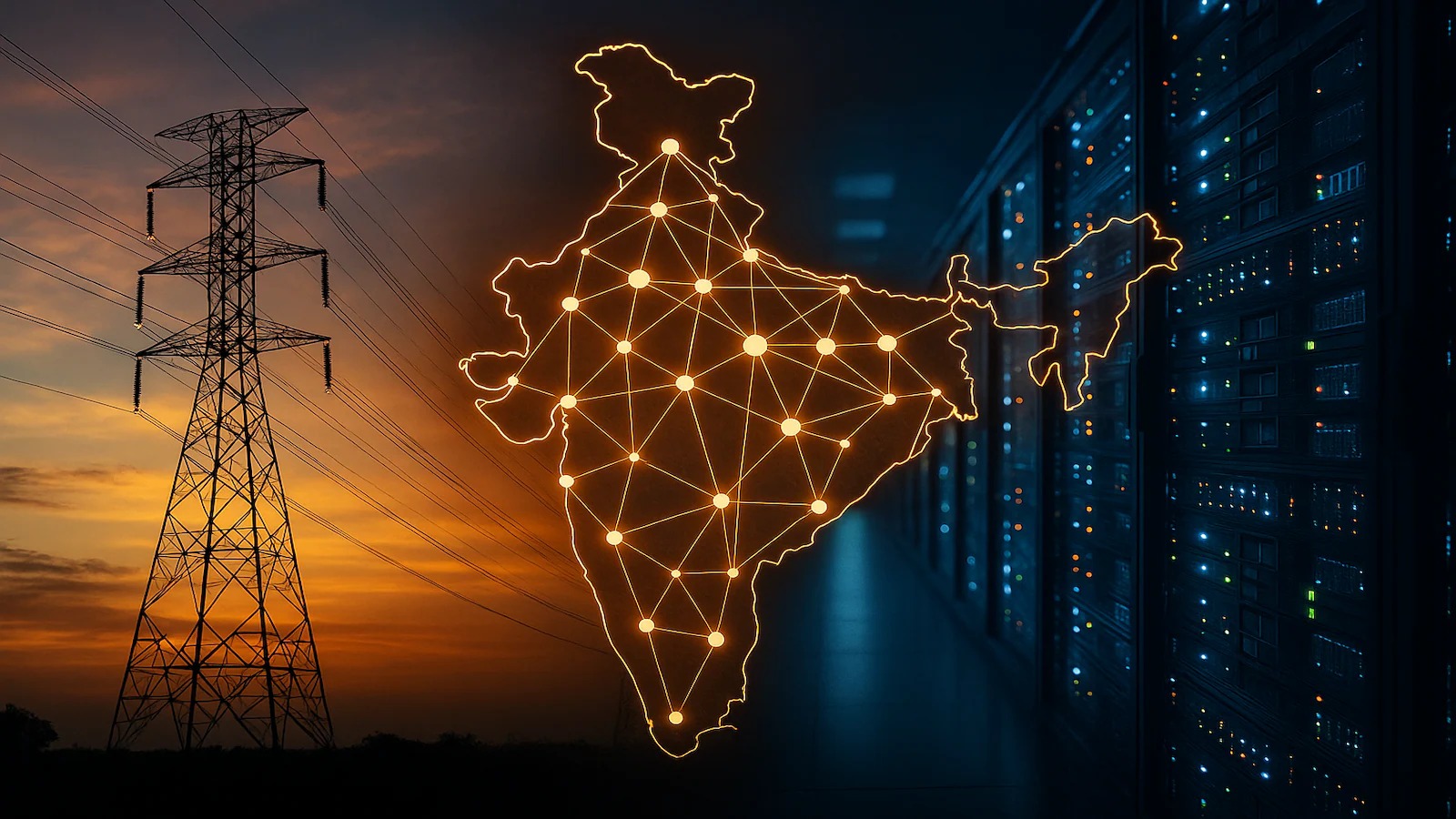
India’s rapid expansion of AI-driven data centres faces a critical resource paradox. As electricity and water consumption projections soar, these power-intensive facilities increasingly compete with local communities and agriculture. Experts warn that without mandatory water-recycling and energy-efficiency standards, India’s digital ambition could exacerbate the nation's severe water and grid stress.
NEW DELHI — India’s digital transformation is shifting into high gear, with the government and private sector betting heavily on artificial intelligence (AI) to drive economic growth. However, this AI-led future is revealing a stark environmental paradox: the very technology designed to optimize systems is itself becoming a massive consumer of the physical resources—water and electricity—upon which millions of citizens and farmers depend.
As hyperscale AI facilities—which consume significantly more power than conventional data centres—proliferate across urban hubs, experts are raising alarms about the "water-justice" implications of prioritizing digital infrastructure in regions already grappling with chronic scarcity.
The Rising Cost of Digital Ambition
The backbone of the AI revolution is the data centre, a massive industrial-scale warehouse packed with servers that run 24/7. While conventional enterprise server racks draw 15–20 kW, AI and machine learning workloads utilize dense GPU clusters that can consume between 80 and 150 kW per rack.
According to projections from the Council on Energy, Environment, and Water (CEEW), India’s total data centre capacity is expected to surge from approximately 1.5 GW in 2025 to over 6.5 GW by 2030. This growth is accompanied by a dramatic spike in resource requirements. Industry estimates indicate that data centres consumed roughly 150 billion litres of water in 2025, a figure that is projected to more than double within the next five years.
Energy Grid and Water Stress
The concentration of these facilities in major urban centres like Mumbai, Bengaluru, Hyderabad, and Chennai has created a localized "heat island" effect for resources. Mumbai alone accounts for over 50% of India’s current data centre capacity, contributing to nearly 5% of the city’s peak electricity demand.
"The danger is inherently local, not national," explains Ashish Banerjee, a Senior Principal Analyst at Gartner. A hyperscale facility can consume as much electricity as a large village, and its water cooling needs can lead to direct competition with local households and agriculture for access to municipal or groundwater supplies.
Addressing the Sustainability Gap
Technological solutions are emerging as a potential escape hatch. To combat the high water intensity of evaporative cooling systems, many operators are pivoting toward direct-to-chip liquid cooling and hybrid dry-cooling technologies. Furthermore, there is an industry-wide push to mandate the use of non-potable or reclaimed water for cooling purposes.
However, regulatory frameworks in India remain in a nascent stage. Currently, there are no sector-wide, mandatory performance standards for water or energy efficiency in data centres. Without stringent oversight, experts argue that the rapid expansion of this infrastructure could lead to long-term resource depletion.
Official Sources
According to industry research from the Council on Energy, Environment, and Water (CEEW), data centre electricity demand in India is poised to increase nearly fivefold by 2030. Government regulatory filings suggest that while guidelines on groundwater extraction for industrial use exist under the Ministry of Jal Shakti, specific oversight for the AI sector's unique environmental footprint remains an evolving area of policy.
Why It Matters
For citizens, the "AI data centre paradox" poses a tangible risk to water and power security, particularly during peak summer months when demand for basic utilities is at its highest. For investors and businesses, the challenge lies in balancing the massive capital expenditure required for AI infrastructure with the increasing pressure to achieve "green" sustainability goals. Without careful siting and technological intervention, India’s AI-led growth could inadvertently exacerbate the local resource crises it aims to solve.
Key Facts at a Glance
Capacity Surge: India’s data centre capacity is projected to grow from 1.5 GW in 2025 to ~6.5 GW by 2030.
Water Consumption: Annual water use by data centres is expected to double, exceeding 350 billion litres by 2030.
Concentration Risk: Over 65% of India's data centre capacity is clustered in water-stressed urban hubs like Mumbai and Bengaluru.
Cooling Intensity: A single 100 MW hyperscale facility can consume up to 800,000 litres of water daily for cooling purposes.
Frequently Asked Questions (FAQ)
Why do AI data centres need more water and power than regular ones?
AI workloads require high-density GPU clusters that generate significantly more heat than standard enterprise servers. This heat necessitates advanced, water-intensive cooling systems and a constant, stable supply of electricity to ensure 24/7 uptime.
Are there alternatives to using fresh water for cooling?
Yes. Operators are increasingly exploring the use of seawater, reclaimed/recycled water, and closed-loop liquid cooling technologies to reduce reliance on potable freshwater sources.
What is being done to manage the energy demand?
The industry is looking toward geographically diversifying data centres to regions with higher renewable energy potential (such as Rajasthan or Tamil Nadu) and integrating battery energy storage systems (BESS) to stabilize grid demand.
Source: Council on Energy, Environment, and Water (CEEW), Gartner Research, Ministry of Jal Shakti, Business Today