Veteran tattoo artists in Pasadena are reflecting on three decades of industry evolution, highlighting a shift toward multi-generational clientele, strict health compliance, and narrative-driven body art. These long-standing studios continue to anchor the region's vibrant alternative arts community.
A veteran tattoo artist reflects on three decades of body art evolution, multi-generational clientele, and the cultural shift of tattooing in Pasadena.
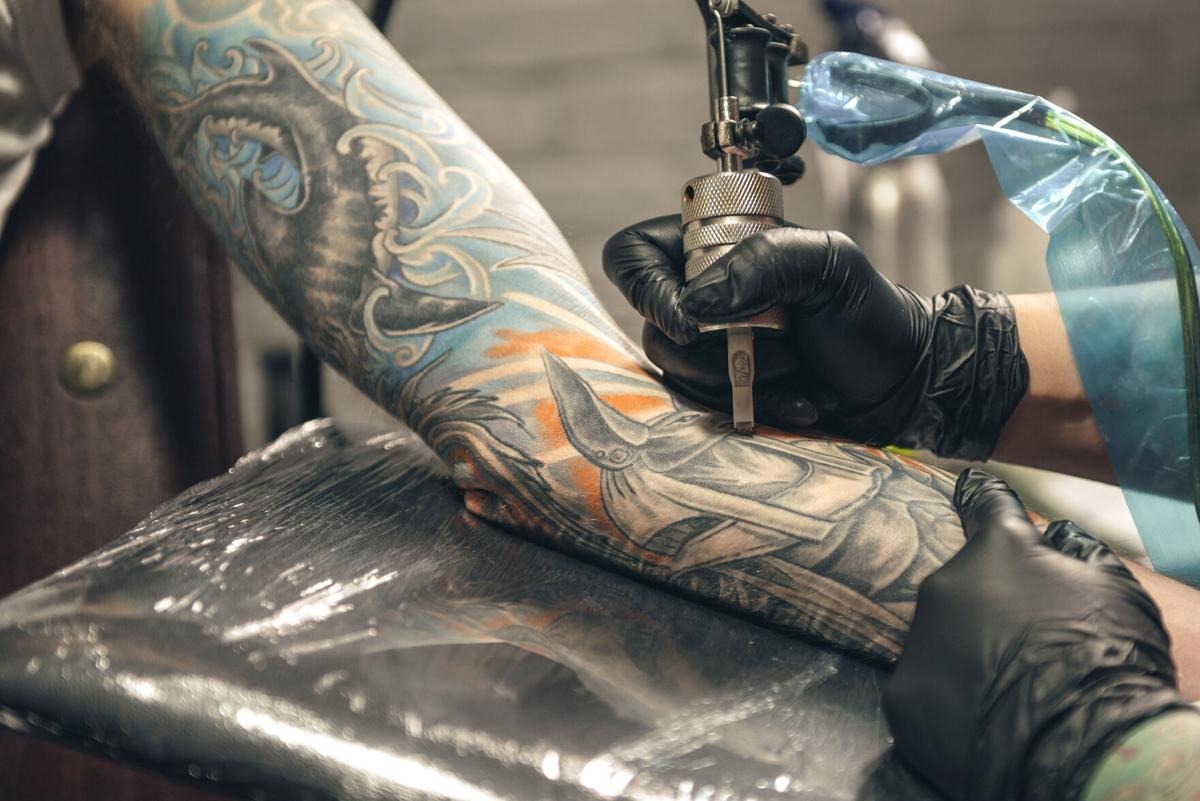
The modern tattoo industry has undergone a dramatic transformation over the past thirty years, evolving from a countercultural sub-sector into a widely accepted mainstream art form. In Pasadena, California, master tattoo artists who began their careers in the early 1990s are noting how studio environments and consumer demographics have shifted. According to local studio archives and veteran practitioners, the craft now centers heavily on narrative-driven design, historical techniques, and deep personal connections forged between artists and patrons.
Evolution of Studio Culture in Southern California
During the mid-1990s, tattoo establishments in Southern California ranged from appointment-only private studios in Hollywood to high-volume, late-night shops in Pasadena. According to historical overviews from regional art communities, early practitioners had to master a vast array of styles—spanning traditional Japanese motifs, bold Americana lines, and black-and-grey realism—to satisfy diverse client requests.
Over decades of operation, shops weathered economic downturns and localized environmental disruptions, adapting to stricter health regulations and modernized sterilization standards. Veteran artists note that contemporary clients increasingly view tattoos as long-term biographical storytelling rather than spontaneous embellishments, demanding higher technical precision and enduring artistic compositions.
Impact on Multi-Generational Patrons and Local Businesses
The maturation of the tattoo sector carries distinct economic and social implications for various community stakeholders:
Clients and Families: Patrons span multiple generations, with parents and adult children occasionally sharing studio visits to commemorate milestones or family lineage.
Local Small Businesses: Independent tattoo collectives contribute to the creative economy of Pasadena's commercial districts, drawing foot traffic and tourism from across the greater Los Angeles area.
Apprentices and Emerging Artists: Structured mentorship models replace older, unstructured apprenticeship paths, ensuring higher standards of technical execution and client safety.
Official Sources and Regulatory Frameworks
According to public health department guidelines and municipal business filings in Los Angeles County, professional body art establishments must adhere to rigorous bloodborne pathogen controls, sterile equipment management, and annual practitioner registrations. Local business registries and regional cultural interviews indicate that compliance standards have strengthened public trust in the medium.
"According to officials and veteran studio operators, the longevity of traditional tattoo establishments relies on strict adherence to health standards, technical versatility, and an ongoing commitment to narrative-driven custom artwork."
Why It Matters
For urban planners, cultural historians, and small business owners, the longevity of established tattoo collectives reflects the changing fabric of modern American retail and artistic expression. As body art sheds its historical stigmas, studios operating for over two decades serve as cultural anchors, preserving traditional craftsmanship while adapting to contemporary aesthetic demands.
Key Facts at a Glance
Industry Longevity: Many veteran artists operating in Southern California began their trade during the early-to-mid 1990s.
Design Preferences: Timeless styles such as Japanese traditional, Americana, and black-and-grey remain favored for their long-term durability and aging characteristics.
Regulatory Compliance: Modern studios maintain strict public health oversight through county health department permits and sterilization protocols.
Multi-Generational Appeal: Established shops routinely serve clients spanning multiple generations within the same families.
Frequently Asked Questions (FAQ)
How has the tattoo industry changed over the last thirty years?
The industry has transitioned from a marginalized subculture into a respected commercial art form, backed by advanced equipment, stringent health regulations, and sophisticated client designs.
What styles tend to age the best over time?
According to veteran practitioners, traditional Japanese, American traditional, and solid black-and-grey styles generally maintain their clarity and visual structure better than hyper-detailed micro-tattoos.
Are tattoo studios strictly regulated?
Yes. Professional studios must comply with local health department mandates, including regular inspections, universal precautions against bloodborne pathogens, and certified sterilization equipment.
Why do clients seek out veteran tattoo artists?
Experienced artists offer extensive knowledge in composition, skin anatomy, and how specific designs will alter over decades, ensuring better aesthetic outcomes.
Source: Los Angeles County Public Health Regulations, Pasadena Business Registry Archives, Regional Arts and Culture Interviews