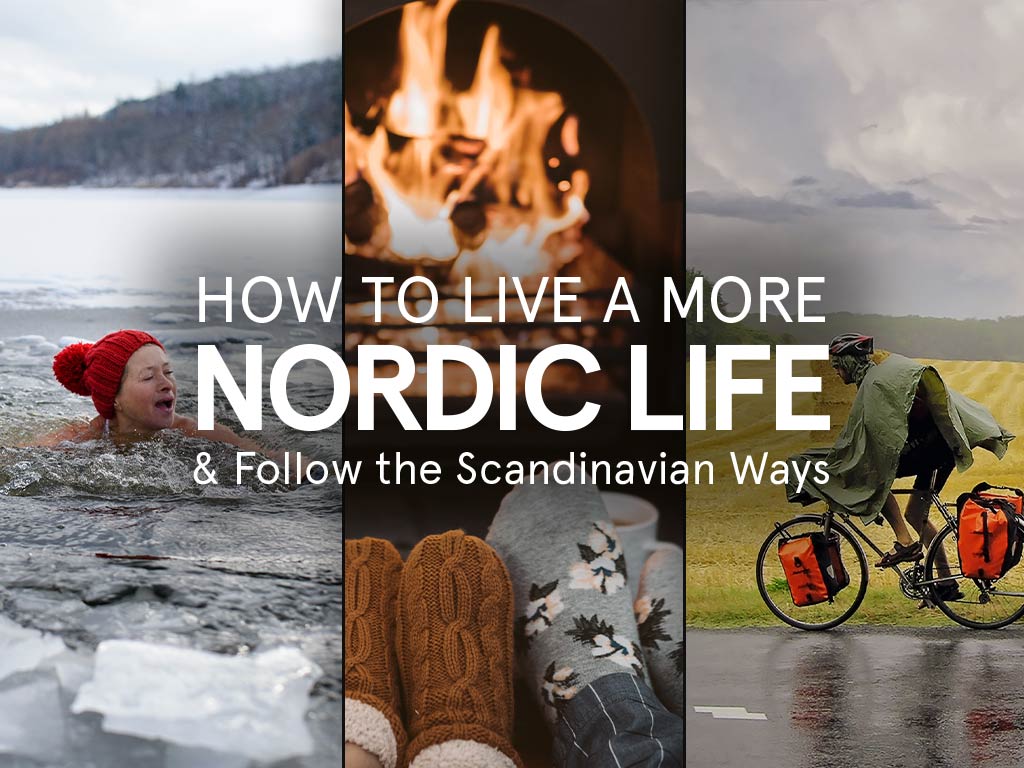
Nine traditional Nordic lifestyle habits, including outdoor napping, friluftsliv, fika, and cold-water immersion, are gaining global attention for reducing daily stress. Supported by public health research across Scandinavia, these accessible practices offer structured approaches to work-life balance, environmental engagement, and long-term psychological resilience.
HELSINKI — Public health experts and cultural researchers across the Nordic region are drawing increased global attention to nine traditional Nordic lifestyle habits designed to lower stress levels and simplify daily routines. As global urban centers report escalating workplace burn-out and stress-related illnesses, health institutes in Sweden, Norway, Denmark, and Finland have documented the physiological and mental benefits of these centuries-old practices. The findings indicate that integrating these structured, weather-agnostic habits into daily life significantly improves work-life balance and psychological resilience.
1. Outdoor Baby Napping (Al Fresco Sleeping)
According to pediatric studies published by Nordic public health authorities, parents in Finland, Sweden, and Norway routinely place infants outside in strollers for daytime naps, even in sub-zero temperatures. Health experts report that outdoor sleeping in clean, cold air promotes longer, uninterrupted sleep cycles and strengthens immune defenses, provided children are bundled in appropriate thermals.
2. Friluftsliv (Open-Air Living)
The Norwegian concept of friluftsliv translates to "open-air life" and emphasizes spending time outdoors regardless of weather conditions. The Norwegian Directorate of Health notes that regular outdoor exposure—whether hiking through forests or taking short urban walks in the rain—reduces cortisol levels and improves cognitive recovery.
3. Fika (Mandatory Social Coffee Breaks)
In Sweden, fika is a non-negotiable workplace habit consisting of a structured break for coffee, pastries, and dedicated conversation. Organizational psychologists at Scandinavian business institutes report that regular, deliberate pauses increase workplace productivity, foster team cohesion, and prevent cognitive fatigue throughout the workday.
4. Lagom (The Art of Moderate Living)
Derived from the Swedish phrase "lagom är bäst" (the right amount is best), this philosophy advocates for balance in all aspects of life. Health analysts attribute lagom to reduced stress regarding personal finance, consumption, and work hours, helping individuals avoid the physical and financial strain of overextension.
5. Plogging (Litter-Picking While Jogging)
Originating in Sweden as a combination of plocka upp (pick up) and jogga (jog), plogging combines environmental stewardship with physical exercise. Exercise scientists highlight that the bending, squatting, and reaching motions involved in plogging add functional interval training to standard cardiovascular exercise.
6. Avantouinti (Winter Cold Water Immersion)
In Finland, the practice of avantouinti—swimming in ice-cut water followed by a hot sauna—is a widespread wellness routine. According to research from the Finnish Sauna Society and medical studies, alternating between extreme heat and cold stimulates circulation, releases endorphins, and reduces systemic inflammation.
7. Hygge (Intentional Cozy Environment Creation)
Danish health researchers identify hygge as the practice of creating warm, comfortable, and conscious atmosphere indoors. Utilizing warm lighting, natural materials, and quiet group activities helps buffer against seasonal affective disorder during prolonged winter months.
8. Fredagsmys (Cozy Friday Unwinding)
Sweden's fredagsmys ("cozy Friday") is an established cultural routine where families formally transition from the workweek to the weekend. Public health sociologists note that establishing explicit rituals at the end of the workweek creates clear mental boundaries between professional duties and home life.
9. Outdoor Shoe Removal at Home Thresholds
Across all Scandinavian countries, removing outdoor shoes immediately upon entering a residence is standard protocol. Environmental health studies show that this habit keeps urban pollutants, microplastics, and allergens out of living areas while establishing a psychological boundary that signals the home as a clean sanctuary.
Official Sources Section
Information regarding these lifestyle practices is documented in reports and public health releases from regional authorities:
Nordic Council of Ministers: Reports on regional well-being, work-life balance, and sustainable living standards published via
The Nordic Council PortalMinistry of Social Affairs and Health (Finland): Public guidelines on seasonal health, sauna safety, and child outdoor sleeping habits available at
MSAH FinlandNorwegian Directorate of Health: Physical activity guidelines and mental health frameworks available via
Helsedirektoratet
Quote Section
"According to researchers at Nordic public health institutes, the core strength of these lifestyle habits lies in their consistency and integration into daily life rather than treating wellness as an occasional luxury."
Why It Matters
Incorporating Nordic lifestyle practices offers accessible, low-cost strategies for individuals seeking to reduce chronic daily stress. By establishing clear work-rest boundaries, embracing outdoor movement across all seasons, and practicing moderate consumption, citizens can build sustainable daily routines that enhance long-term mental and physical health.
Key Facts at a Glance
Origin: Traditional health and cultural practices developed across Sweden, Norway, Denmark, and Finland.
Core Philosophy: Prioritizing outdoor exposure, moderate consumption (lagom), and clear boundaries between work and rest.
Health Impact: Proven reductions in stress hormones, improved sleep duration, and higher reported levels of life satisfaction.
Accessibility: Simple daily adjustments that require minimal financial expenditure or specialized equipment.
Frequently Asked Questions (FAQ)
Q1: How do Nordic parents safely let babies sleep outside in freezing cold weather?
Parents use specialized insulated sleeping bags, windproof strollers, and thermal clothing layers while closely monitoring outdoor temperatures and keeping infants protected from wind and precipitation.
Q2: What is the primary difference between Hygge and Lagom?
Hygge (Danish) focuses on creating a cozy, warm atmosphere and enjoying simple pleasures, whereas Lagom (Swedish) is an overarching philosophy centered on moderation, balance, and avoiding excess in daily life.
Q3: How does Fika differ from a regular coffee break at work?
Fika is an intentional, structured social pause where participants step away from screens and work tasks to actively converse with colleagues, rather than grabbing a quick beverage while continuing to work.
Source: Compiled from official publications by The Nordic Council of Ministers, Ministry of Social Affairs and Health Finland, and Norwegian Directorate of Health.