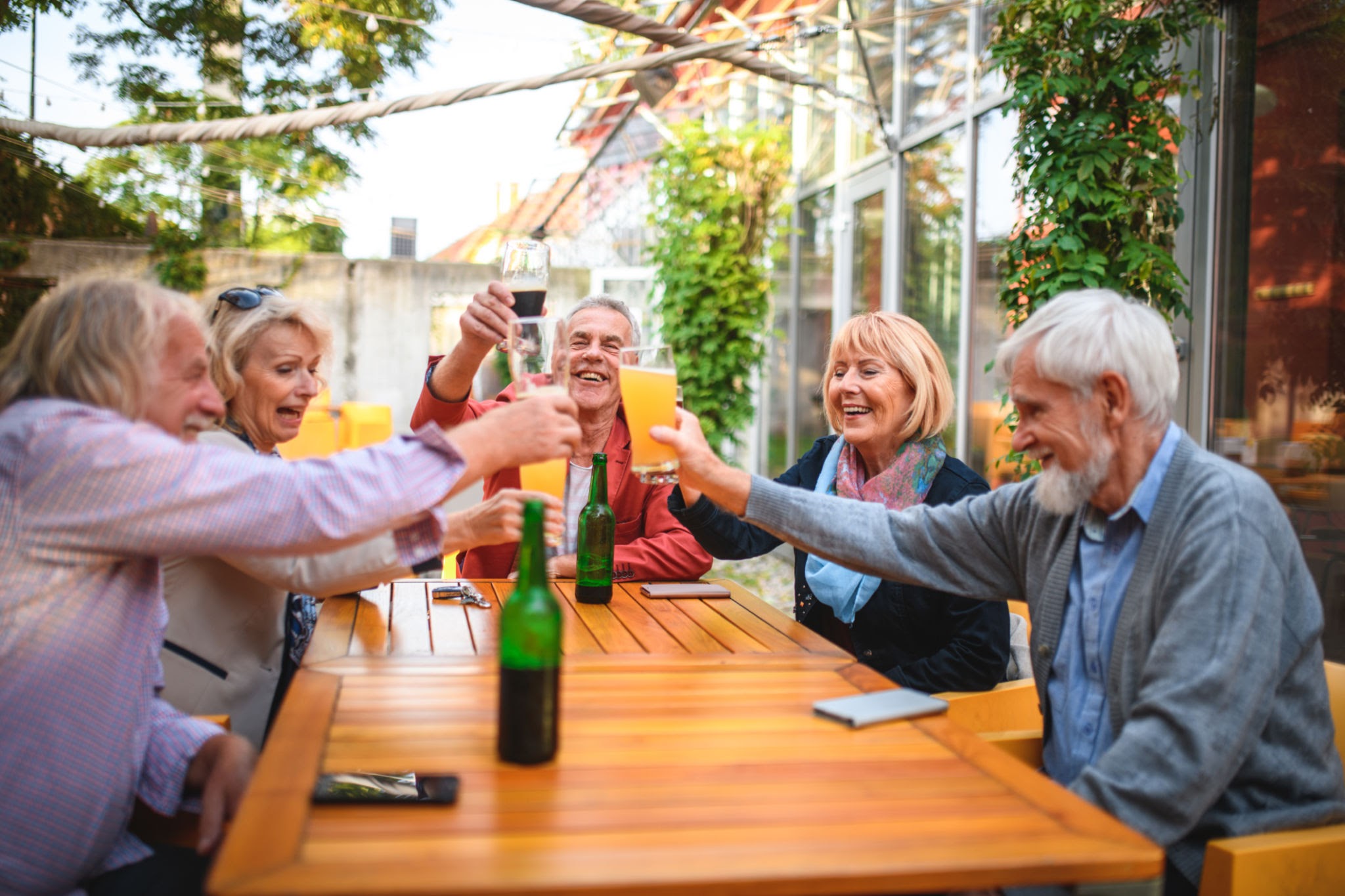
LONDON, UK — A fundamental structural shift is taking place across the global beverage market. While public focus and marketing campaigns have heavily concentrated on Gen Z's adoption of the "sober curious" lifestyle, empirical consumer data reveals a different reality: Baby Boomers are actually the demographic cutting back most on alcohol.
According to multi-market demographic reports tracking beverage consumer habits in 2026, individuals aged 60 to 80 are moderating their intake at a faster rate than their younger counterparts. This shift is reshaping operational strategies for major beverage manufacturers, investors, and public health agencies globally. The acceleration in temperance among older adults is primarily driven by immediate health preservation, medication interactions, and lifestyle choices following retirement, challenging long-held assumptions regarding generational drinking patterns.
Health Concerns Precede Youth Cultural Trends
For years, research initiatives highlighted the declining volumes of beer, wine, and spirits consumed by legal-age Gen Z consumers. However, market analysis from the IWSR Drinks Market Analysis notes that while younger cohorts are entering the market with lower overall consumption baselines, it is the older, historically high-volume Boomer generation that is actively altering its long-term purchasing behavior.
The reasons underpinning this behavioral pivot are structural rather than cultural. According to health tracking frameworks compiled by the World Health Organization (WHO), aging biology changes how the human body metabolizes ethanol. Older adults experience lower total body water percentages, elevating blood alcohol concentrations more rapidly than in previous decades.
Furthermore, data from the Centers for Disease Control and Prevention (CDC) indicates that more than 80% of adults aged 65 and older manage at least one chronic medical condition, such as hypertension or cardiovascular disease. The corresponding prescription drugs required for these conditions often carry strict contraindications regarding alcohol intake, forcing an immediate reduction in casual drinking.
Commercial Impact on the Global Beverage Industry
This trend has major implications for product developers and corporate investors. Historically, Baby Boomers possessed the highest percentage of discretionary income, driving premium wine and spirits sales across North America and Western Europe. As this demographic curtails its purchasing velocity, global alcohol volume growth has faced flatlining trajectories.
In response, multinational beverage conglomerates are actively re-engineering their portfolios. The zero-alcohol and low-alcohol sector, once considered a niche segment targeted exclusively at fitness-focused millennials and younger crowds, is seeing intense investment to cater to older palates. Product lines are transitioning away from highly sweetened mocktails toward sophisticated dealcoholized red wines, botanical spirits, and zero-chemical craft beers that mirror traditional taste profiles without triggering medication risks.
Official Sources Section
Statistical tracking data regarding generational shifting volumes is sourced from the IWSR Drinks Market Analysis global trends databases. Corresponding public health guidance and age-related physiological criteria are compiled using official repositories managed by the Centers for Disease Control and Prevention (CDC) and annual health review whitepapers published by the World Health Organization (WHO).
Quotes Section
Analyzing the demographic reality, a senior research analyst at the IWSR stated:
"While industry messaging has been captured by the aesthetic of Gen Z moderation, our data confirms that the volume drag in mature markets is heavily accelerated by older consumers. Baby Boomers are transitioning toward moderation due to tangible, daily medical and wellness imperatives, which yields a structural drop in purchasing frequency."
According to officials at public health consulting groups:
"The intersection of polypharmacy the simultaneous use of multiple medications and routine alcohol use among aging populations has become a core health focus. Older citizens are demonstrating high awareness of these chemical interactions and are adjusting their lifestyles accordingly to protect their longevity."
Why It Matters
The shift shows that the expanding non-alcoholic beverage market is supported by medical necessity and aging demographics, not just youthful trends. For businesses, this means marketing premium zero-proof beverages should focus less on youth culture and more on sophisticated, health-conscious options for older adults.
Key Facts at a Glance
Demographic Shift: Baby Boomers represent the fastest-accelerating demographic group actively reducing total alcohol intake.
Biological Catalysts: Moderation is heavily driven by changing metabolic rates, chronic health conditions, and prescription drug interactions.
Market Re-Centering: The premium non-alcoholic market is expanding its focus to include dealcoholized wines and botanical options favored by older consumers.
Economic Influence: Boomers control significant discretionary spending, meaning their reduction in purchasing directly impacts overall industry volumes.
FAQ Section
Why are Baby Boomers cutting back most on alcohol compared to younger generations?
The reduction is primarily driven by health priorities. As individuals age, the body processes alcohol less efficiently, and the likelihood of taking medications that interact poorly with alcohol increases significantly.
Does this mean Gen Z is drinking more than before?
No. Gen Z continues to maintain a lower historical baseline of alcohol consumption compared to previous generations at their age. However, the rate of reduction and the sheer volume drop are currently more pronounced among Boomers.
What types of products are benefiting from this demographic shift?
High-quality dealcoholized wines, premium non-alcoholic beers, and complex zero-proof spirits are seeing increased interest, as older consumers look for options that replicate the taste of traditional drinks.
Source: IWSR Drinks Market Analysis, Centers for Disease Control and Prevention (CDC), World Health Organization (WHO) Health Reports