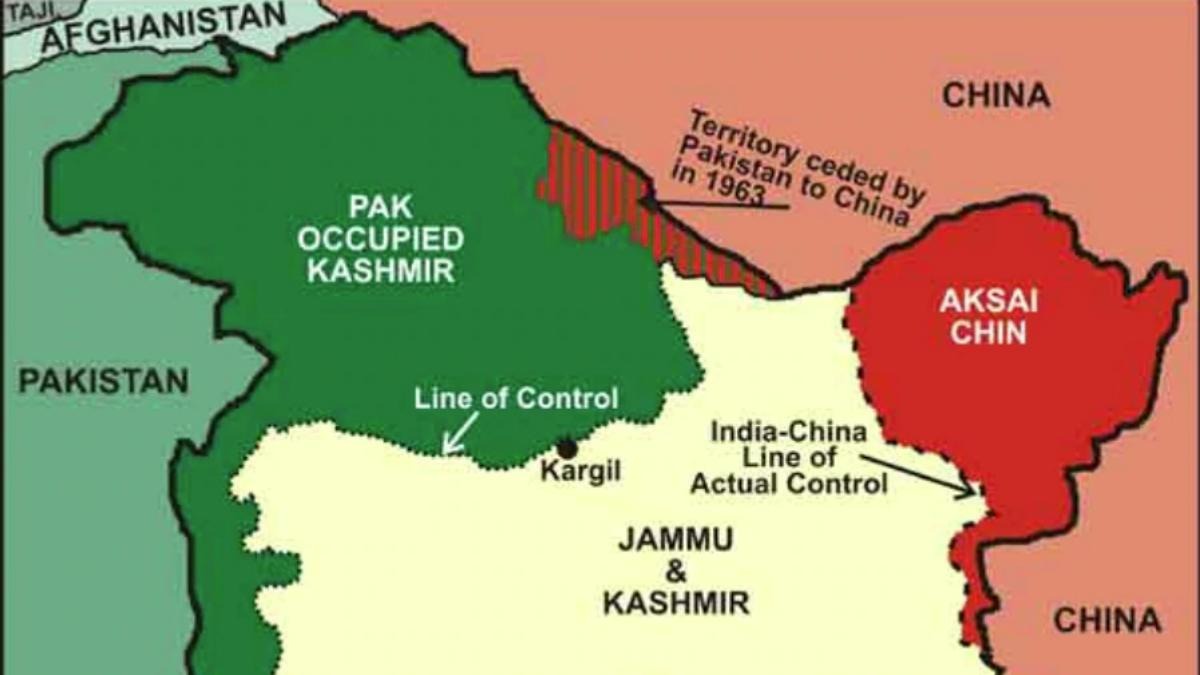
The Indian government and military have dismissed reports of Chinese territorial encroachment and patrolling blocks in Arunachal Pradesh's Upper Subansiri district. Reaffirming that the frontier remains secure, New Delhi continues diplomatic engagements with Beijing via the WMCC to preserve regional stability along the Line of Actual Control.
NEW DELHI — The Indian government and defense authorities have firmly rejected emerging domestic reports alleging fresh Chinese military encroachment and patrolling restrictions along the Line of Actual Control (LAC) in the Upper Subansiri district of Arunachal Pradesh. The controversy surfaced in August 2026 following local community concerns and opposition political claims regarding friction points near the frontier village of Taksing.
While Beijing maintains that the bilateral border situation is "generally stable", New Delhi has reiterated that matters relating to the frontier remain of utmost seriousness. The diplomatic exchanges arrive as both nations navigate sensitive post-disengagement frameworks following earlier military standoffs along the Himalayan frontier.
Evaluating Frontier Friction and Local Claims
Debate surrounding the remote Taksing sector intensified after regional groups and political representatives highlighted changes in traditional grazing and patrolling access along the border. Opposition figures asserted that Indian forces faced movement limitations in specific historical sectors, triggering widespread public discourse over strategic infrastructure and surveillance depth.
However, official defense sources and Arunachal Pradesh state leadership have rebuffed these claims as unfounded. Authorities emphasized that regular surveillance protocols are systematically maintained by the Indian Army to safeguard territorial integrity across high-altitude terrain, despite severe seasonal weather constraints during winter months.
Diplomatic Context and Naming Counter-Tactics
The friction follows broader geopolitical sparring between New Delhi and Beijing, including recent administrative steps taken by India to formally publish standard native designations for 27 geographical locations, mountain passes, and features across Arunachal Pradesh. The move serves to push back against China's historic practice of unilaterally issuing revised Mandarin names for regions within the state, which Beijing claims as part of "South Tibet".
According to the Ministry of External Affairs (MEA), India has consistently rejected Beijing's territorial assertions, reaffirming that Arunachal Pradesh is an integral and inalienable part of the nation. Both governments recently convened the 36th meeting of the Working Mechanism for Consultation and Coordination on India-China Border Affairs (WMCC) to maintain communication channels and prevent misunderstandings.
Impact on Citizens, Border Communities, and Regional Security
Border Inhabitants: Local indigenous communities in remote frontier districts rely on unhindered access to ancestral lands, seasonal grazing routes, and enhanced civil infrastructure.
National Security Analysts: Observers monitor tactical deployments and logistical readiness along the eastern sector to ensure proactive defense deterrence.
Bilateral Investors and Markets: Stability along the Himalayan frontier remains a key variable influencing broader macroeconomic sentiment and cross-border diplomatic engagement.
Official Sources Section
According to official briefings from the Ministry of External Affairs (MEA), statements from the Indian Army, and press notes issued by the Chinese Foreign Ministry, bilateral talks via military and diplomatic channels are ongoing. Legislative clarifications from Arunachal Pradesh state ministers have further addressed local administrative concerns regarding security posture.
"According to officials, the state of border affairs carries vital significance for overall bilateral relations, and both sides remain committed to utilizing established mechanisms to preserve peace and tranquillity along the Line of Actual Control."
Why It Matters
Clarity over border management and territorial sovereignty is paramount for maintaining regional stability between nuclear-armed neighbors. Ensuring transparent communication and robust defensive posture prevents tactical escalations, safeguarding national security while supporting the socio-economic integration of remote frontier regions.
Key Facts at a Glance
Focus Region: Taksing Area, Upper Subansiri District, Arunachal Pradesh
Core Issue: Allegations of patrol restrictions and infrastructure build-up along the LAC
Official Stance: Government and Army reject encroachment claims; emphasize round-the-clock territorial protection
Diplomatic Channel: 36th WMCC meeting held to stabilize frontier dialogue
FAQ Section
Is China encroaching on Indian territory in Arunachal Pradesh?
Indian defense authorities and state officials have officially rejected reports of fresh territorial encroachment, confirming that the Indian Army actively secures the border.
What is the stance of the Indian government on Arunachal Pradesh?
New Delhi maintains that Arunachal Pradesh is an inalienable and integral part of India, flatly rejecting any foreign claims or renaming tactics.
What role do diplomatic mechanisms play in resolving border tensions?
Channels like the Working Mechanism for Consultation and Coordination on India-China Border Affairs (WMCC) allow both nations to manage differences and maintain peace along the LAC.
Source: Ministry of External Affairs (MEA) India, Chinese Foreign Ministry Briefings, Indian Army Disclosures