Ola Electric unveiled its full-stack battery energy storage portfolio, featuring the Ola Shakti, Shakti Rack, and Mahashakti platforms. Powered by indigenous LFP cells, the portfolio addresses residential backups, commercial peak-shaving, and utility-scale grid stabilization, marking the company's major expansion beyond electric vehicles into stationary energy infrastructure.
On August 15, 2026, Ola Electric Mobility officially unveiled an ambitious, full-stack Battery Energy Storage System (BESS) portfolio comprising the Ola Shakti, Shakti Rack, and Mahashakti platforms. Announced in India to coincide with the nation's Independence Day celebrations, the new product lineup marks the company's strategic transition from pure-play electric two-wheeler manufacturing into the broader stationary energy storage and grid infrastructure market.
The comprehensive portfolio is powered by the company's indigenous lithium iron phosphate (LFP) cell architecture. By spanning residential backups, commercial operations, and utility-scale installations, the initiative aims to address chronic power reliability challenges while supporting large-scale renewable energy integration across the domestic market.
Architectural Segments of the New Energy Portfolio
The newly introduced product matrix is structured to serve three distinct operational tiers within the energy ecosystem, utilizing unified hardware and software integration:
Ola Shakti (Shakti Gen2): Positioned as a residential energy storage solution, these compact units offer capacity configurations ranging from 3 kW to 6 kW (with energy capacities up to 9.2 kWh). Designed for households, the units feature smart application controls and solar compatibility to manage power outages and optimize household energy consumption.
Shakti Rack: Tailored for commercial, industrial, and infrastructure applications, this tier is available in both AC and DC configurations. The AC variant delivers 73 kWh of storage with an integrated three-phase inverter, while the DC rack provides modular 38–77 kWh capacities for direct infrastructure deployment such as telecom towers.
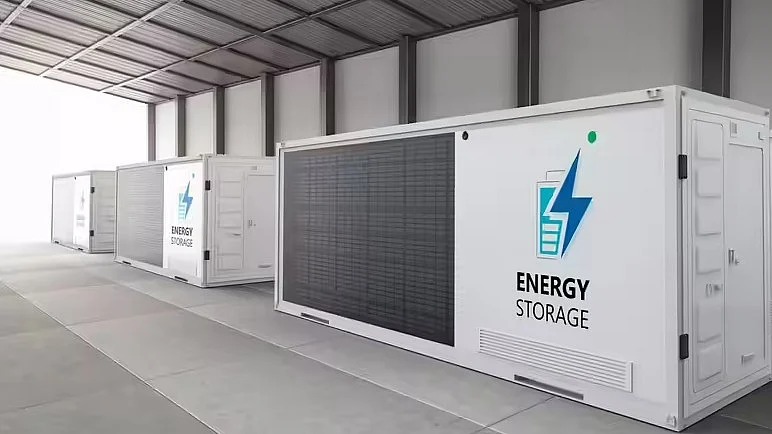
Mahashakti: Built for heavy industrial and utility-scale grid applications, the Mahashakti architecture scales from a 257 kWh individual rack up to massive 6.26 MWh containerized systems designed for peak load shifting, renewable energy arbitrage, and grid stabilization.
Strategic Manufacturing and Market Context
The rollout of the BESS portfolio leverages Ola Electric's vertical integration strategy, capitalizing on internal research and development from its battery innovation centers and manufacturing hubs. By utilizing domestically manufactured LFP cells, the company seeks to reduce reliance on imported energy storage components and compete directly in India's rapidly expanding clean-tech manufacturing sector.
Corporate statements highlight that the expansion into stationary storage aligns with national grid modernization objectives. As commercial establishments and utilities face increasing demands for peak-load management, indigenous storage solutions provide a critical mechanism to store intermittent solar and wind generation.
Impact on Consumers, Businesses, and Utilities
Residential Consumers: Households gain access to reliable, silent, and smart home backup units designed to mitigate local grid outages and lower electricity costs through solar integration.
Commercial Enterprises: Businesses can deploy Shakti Racks to manage peak-hour demand charges, maintain uninterrupted operations during grid fluctuations, and optimize commercial energy expenditures.
Power Utilities: Utility-scale Mahashakti containers provide grid operators with essential flexibility, frequency regulation, and black-start capabilities to support large renewable energy penetrations.
Official Sources Section
According to official corporate announcements and press statements released by Ola Electric Mobility Limited, the Shakti and Mahashakti product lines have been integrated into the company's official commercial roadmap, with residential deliveries slated to commence later in the year and commercial configurations rolling out through early 2027. Regulatory filings confirm that the systems comply with domestic safety and performance standards, including AIS 165 and relevant BIS guidelines for battery storage architectures.
"According to officials, the use cases of our world-class battery and cell technology will manifest beyond electric mobility, creating an integrated energy ecosystem from home backups to megawatt-scale grid infrastructure."
Why It Matters
The commercial introduction of domestic battery storage systems carries significant practical implications for India's transition toward clean energy. Effective stationary storage resolves the intermittency challenge of renewable power generation, allowing surplus solar and wind energy captured during peak production hours to be deployed during high-demand periods. This capability reduces reliance on fossil-fuel peaker plants, lowers carbon footprints across industrial supply chains, and strengthens overall grid resilience.
Key Facts at a Glance
Launching Entity: Ola Electric Mobility Limited
Product Portfolio: Ola Shakti (Residential), Shakti Rack (Commercial/Industrial), and Mahashakti (Utility-Scale)
Core Technology: Indigenous LFP cell architecture and intelligent software management
Deployment Timeline: Residential deliveries starting November 2026; commercial and utility tiers rolling out in March 2027
FAQ Section
What is the primary purpose of the Ola Shakti portfolio?
The Ola Shakti portfolio is designed to provide modular, scalable battery energy storage solutions across residential, commercial, and utility sectors to handle power backups, peak shifting, and renewable energy integration.
How does the Mahashakti system support utility grids?
Mahashakti offers high-capacity utility storage—scaling up to 6.26 MWh containers—that helps stabilize power grids, manage multi-megawatt peak loads, and store surplus clean energy for deployment when generation drops.
What battery chemistry powers these energy storage systems?
The entire portfolio is built around advanced lithium iron phosphate (LFP) cell technology, engineered for high energy density, thermal safety under continuous loads, and extended operating lifespans.
When will these products become available to customers?
Residential Shakti Gen2 units are scheduled for customer deliveries beginning in November 2026, while the commercial Shakti Racks and utility-scale Mahashakti systems are slated for release in March 2027.
Source: Ola Electric Corporate Disclosures, Economic Times Auto, Business Standard