Mumbai's BEST undertaking faces intense scrutiny regarding its BEST bus driver training framework following fatal crashes involving veteran drivers transitioning to electric and wet-lease buses. Judicial reviews and police chargesheets revealed gaps in practical transition training, prompting BEST to deploy dual-control training vehicles and mandate safety drives for contract drivers.
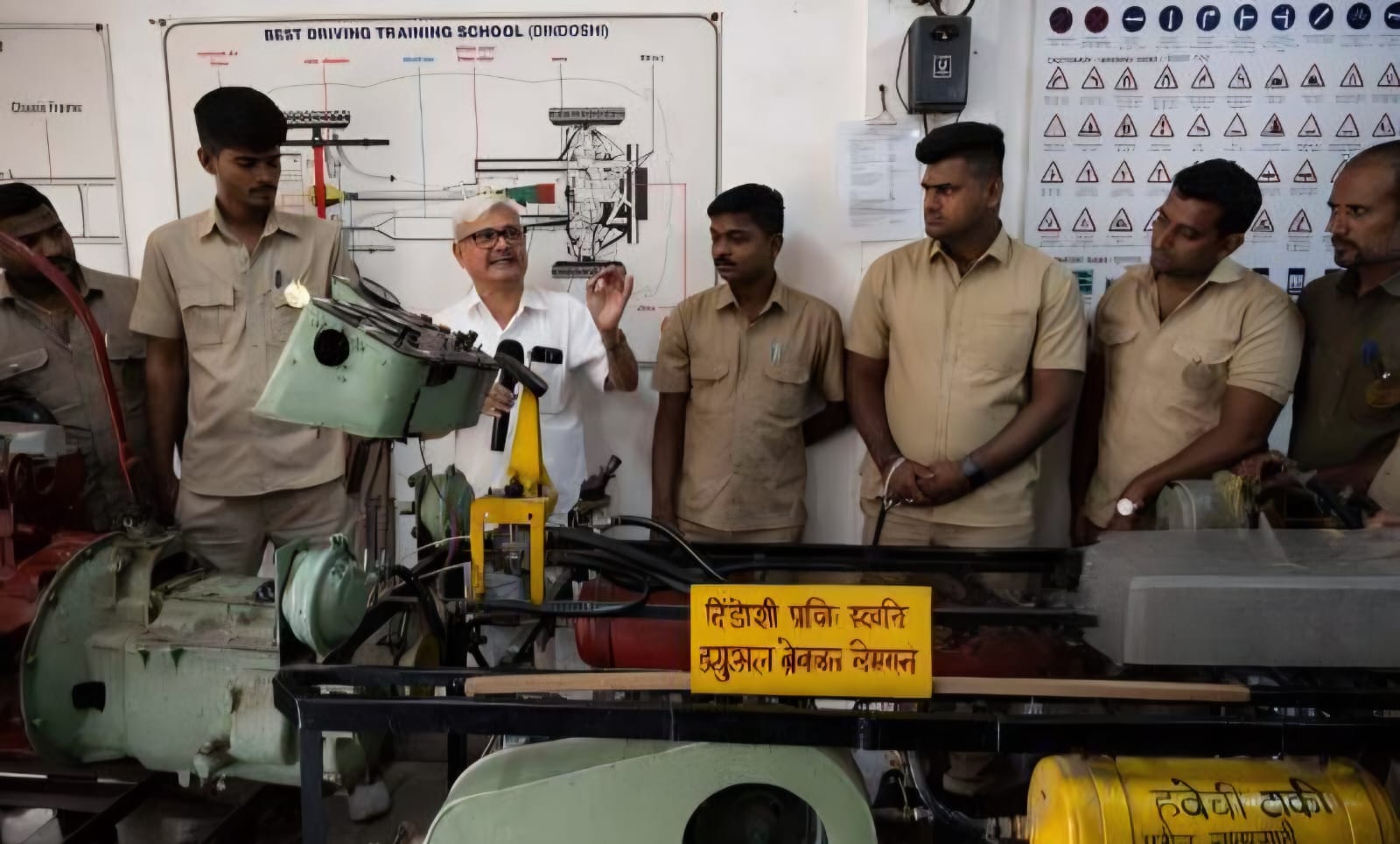
MUMBAI — The Brihanmumbai Electric Supply and Transport (BEST) undertaking, India’s oldest municipal bus service operator, faces heightened scrutiny regarding its BEST bus driver training framework on Monday, August 10, 2026. The development comes after a series of road accidents across Mumbai revealed that veteran drivers transitioning to wet-lease contract fleets and electric buses were involved in fatal collisions. Despite extensive classroom and simulator instruction at the undertaking’s primary Dindoshi training facility in Malad East, recent court proceedings and police chargesheets have highlighted critical gaps in practical, vehicle-specific transition training for experienced staff.
The issue gained renewed urgency on August 7, 2026, when BEST marked its 79th Foundation Day. On the same afternoon, a 56-year-old Brihanmumbai Municipal Corporation (BMC) sanitation worker, Jayshri Bhanaji Parmar, was killed near the Mulund check naka after being struck by a wet-lease bus operating on route 512. The incident occurred just one day after BEST announced a three-day safety drive for 5,200 contract drivers operating 2,553 wet-lease buses across the Mumbai metropolitan area.
High Court and Police Chargesheets Expose Training Deficits
Investigative reports and judicial observations from the Bombay High Court have repeatedly questioned the sufficiency of operational training provided to drivers moving from traditional diesel buses to newer electric vehicles. In a bail hearing concerning a major crash in Kurla, as well as proceedings related to a fatal December incident in Bhandup that claimed four lives, the High Court criticized the lack of structured, certified on-road training for drivers operating newly inducted vehicles.
A 704-page chargesheet filed by the Bhandup police station in the magistrate court revealed that a 52-year-old veteran driver, Santosh Sawant—who had been associated with BEST since 2011—had no official record or signature confirming he completed certified training prior to being assigned an electric bus. Psychological assessments cited in official filings indicated that veteran drivers experienced severe stress during rapid fleet transitions, often operating unfamiliar electric controls and automatic acceleration systems without adequate supervised practice.
Total fatalities linked to BEST operations reached 24 deaths in the 2024–25 financial year and maintained a matching toll of 24 deaths in 2025–26. However, traffic safety experts note a concerning concentration of incidents, with more than 19 major and minor crashes—including four fatal accidents—recorded within a three-month window in mid-2026.
BEST Expands Facility Infrastructure at Dindoshi Training Centre
In response to judicial directives and safety audits, BEST officials have modified operational protocols at the Dindoshi driver training center in Malad East. Established in 1997, the facility has served as the core instruction hub for municipal drivers and conductors.
Dual-Control Training Vehicles: BEST inducted specialized dual-control electric training buses equipped with secondary instructor brake systems to provide supervised road instruction.
CCTV Case Study Integration: Training modules for new recruits and contract drivers now incorporate real-time CCTV analysis of recent Mumbai crashes to illustrate risk factors at intersections and pedestrian crossings.
Wet-Lease Contractor Audits: BEST safety officers have instituted mandatory three-day refresher courses for private contractor personnel who operate wet-lease routes across the civic network.
Despite these technical updates at the facility level, transport union representatives maintain that one-day transition sessions remain insufficient for senior drivers adapting to heavy electric vehicles with rapid torque characteristics.
Official Sources Section
Operational statistics, court findings, and regulatory statements cited in this news report reflect official records released by civic authorities and law enforcement agencies:
Brihanmumbai Electric Supply and Transport (BEST)
: Operational statistics, Foundation Day releases, and Dindoshi training facility program details.
Bombay High Court
: Judicial orders, bail hearing observations, and chargesheet reviews regarding city transit collisions.
Mumbai Police Department
: Investigation chargesheets filed at magistrate courts concerning Mulund, Bhandup, and Kurla transit accidents.
Quote Section
According to official statements and court filings:
"Investigations into recent transit collisions indicate that while new recruits undergo strict screening, experienced drivers assigned to newer electric models lacked documented, certified transition training. The transition from manual combustion engines to high-torque electric powertrains requires structured on-road practice rather than brief orientation."
Organizers at the BEST Dindoshi facility stated that training infrastructure is being systematically upgraded, with additional dual-control electric buses deployed to ensure all contract and permanent drivers complete mandatory road evaluations.
Why It Matters
The evaluation of the BEST bus driver training system directly affects urban commuters, civic management, and road safety across Mumbai:
Commuter and Pedestrian Safety: Enhanced driver certification reduces collision risks across congested arterial roads, protecting pedestrians, daily commuters, and municipal workers.
Contractor Accountability: Establishing strict training standards forces private wet-lease contractors to prioritize driver competency and duty-hour management over tight schedule compliance.
Transit Modernization: Resolving training gaps ensures that Mumbai's transition toward clean electric public transportation does not compromise basic public safety standards.
Key Facts at a Glance
Training Center: BEST's primary instruction facility in Dindoshi, Malad East, has trained drivers and conductors since 1997.
Fatality Figures: BEST recorded 24 accident-related deaths in 2024–25 and 24 in 2025–26, with 7 deaths recorded since January 2026.
Recent Incident: A 56-year-old BMC worker was fatally struck near Mulund check naka on BEST's 79th Foundation Day.
Legal Scrutiny: The Bombay High Court and police chargesheets cited a lack of signed training records for veteran drivers transitioning to electric buses.
Frequently Asked Questions (FAQ)
Q1: What is the primary issue identified in recent BEST bus accidents in Mumbai?
Investigations revealed that while new recruits receive rigorous entry-level training, veteran and contract drivers transitioning to newer electric or wet-lease buses often lack certified, on-road transition training for high-torque electric vehicles.
Q2: What action is BEST taking at its Dindoshi training facility?
BEST has deployed specialized dual-control electric training buses, expanded mandatory safety drives for wet-lease contract drivers, and integrated CCTV crash analysis into its classroom modules.
Q3: How many wet-lease buses currently operate under BEST in Mumbai?
BEST currently operates approximately 2,553 wet-lease buses driven by over 5,200 contractor-employed drivers across the Mumbai metropolitan region.
Source: Brihanmumbai Electric Supply and Transport | Bombay High Court | Mumbai Police Department