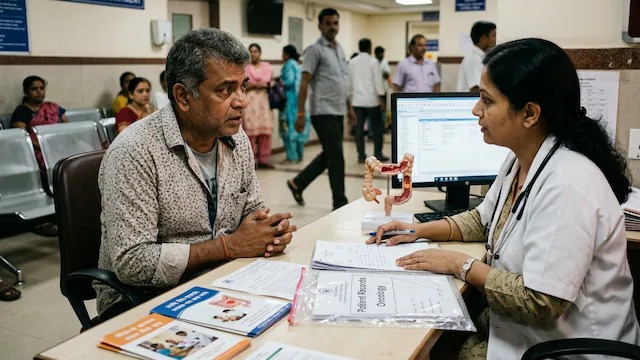
Missing post-treatment cancer follow-ups poses significant health risks, including undetected recurrence and unmanaged long-term side effects. Experts urge survivors to secure a written survivorship care plan, emphasizing that consistent medical monitoring is crucial for both early detection and maintaining long-term quality of life beyond the end of treatment.
For many cancer survivors, the end of treatment is a milestone, but medical experts warn that disengaging from follow-up appointments can create dangerous, silent gaps in long-term health monitoring.
NEW DELHI — When active cancer treatment concludes, patients often face a quiet transition. While the focus during therapy is on survival, the post-treatment phase—frequently referred to as the survivorship period—brings its own set of critical health requirements. Medical professionals are increasingly sounding the alarm on the "lost to follow-up" phenomenon, where survivors miss routine check-ups, potentially delaying the detection of recurrence or the management of late-onset side effects.
According to oncological research, cancer recurrence can often be symptomless, meaning patients may feel entirely healthy while the disease is in its early, treatable stages [1.1.2]. Routine screenings, blood work, and physical exams are the only reliable way to catch these changes early, significantly improving patient outcomes [1.1.2, 1.1.3].
The Hidden Consequences of Skipping Care
Missing a follow-up appointment is not merely about an administrative lapse; it can have profound clinical implications. Experts note that the treatments responsible for saving a patient’s life—such as chemotherapy, radiation, and immunotherapy—can cause "late effects." These are physical or emotional complications that may not manifest until months or even years after therapy has concluded [1.1.4, 1.3.1].
Common late effects that require professional monitoring include:
Cardiovascular Issues: Potential heart and vascular problems linked to certain chemotherapy or radiation doses [1.1.4, 1.3.1].
Secondary Cancers: An increased risk of developing a new, unrelated primary cancer, necessitating lifelong vigilance [1.1.3, 1.3.2].
Cognitive and Emotional Shifts: Persistent "chemo brain" (memory or concentration issues), anxiety, depression, and post-traumatic stress [1.2.4, 1.3.2].
Endocrine and Bone Health: Issues such as osteoporosis, thyroid imbalances, or fertility concerns [1.1.4, 1.3.1].
Barriers to Survivorship Care
Survivors who disengage from medical care often do so due to legitimate logistical and psychological hurdles rather than indifference. Research indicates that distance from treatment centers, high travel costs, and the physical exhaustion following treatment are primary drivers of non-adherence [1.1.1, 1.1.2].
Psychologically, many patients experience "scanxiety"—an intense spike in stress and anxiety related to check-ups—or a deep-seated fear of recurrence that leads them to avoid the clinic altogether [1.2.2, 1.2.4]. However, specialists emphasize that these appointments provide a structured environment to address these concerns, rather than facing them in isolation [1.1.2, 1.2.1].
Official Guidance for Survivors
Healthcare providers stress that there is no "one-size-fits-all" schedule for post-cancer care; it is highly personalized based on the cancer type, treatment history, and the patient's overall health [1.1.3, 1.2.3].
According to officials at the National Cancer Institute (NCI) and other leading health organizations, every patient should leave their treatment program with a written survivorship care plan [1.1.2, 1.2.1]. This document should detail:
A summary of treatments received [1.2.1].
The recommended schedule for future check-ups and screenings [1.2.1].
Warning symptoms specific to their cancer type that require immediate attention [1.2.3].
Contact information for their oncology and primary care team [1.2.1].
Why It Matters
Follow-up care is about more than just checking for the return of cancer; it is about reclaiming quality of life [1.2.2]. By maintaining a consistent relationship with their medical team, survivors can manage lingering side effects early, coordinate care between specialists, and access essential emotional and psychological support [1.2.2, 1.2.3].
"Cancer care does not end when treatment ends," medical experts consistently reiterate [1.1.3, 1.2.2]. For the millions of survivors worldwide, the path to long-term well-being is paved with these routine, yet vital, medical interactions [1.1.2, 1.2.2].
Key Facts at a Glance
Proactive Detection: Recurrence often begins without obvious symptoms, making routine scans and blood tests essential for early detection [1.1.2].
Customized Planning: Follow-up frequency is typically every 3–4 months during the first two to three years post-treatment, moving to once or twice a year thereafter [1.2.1].
Holistic Monitoring: Care plans address not just physical health, but also emotional well-being, fatigue, and cognitive concerns [1.1.2, 1.2.2].
Mitigating Barriers: Patients struggling with travel or access are encouraged to discuss telemedicine options or decentralized care with their oncology team [1.1.1, 1.1.2].
FAQ
What if I feel completely well? Should I still go?
Yes. Regular check-ups are intended to confirm that your recovery is on track and to catch any asymptomatic changes that you might not be able to feel [1.2.2].
What is a "Survivorship Care Plan"?
It is a formal document provided by your oncology team that summarizes your treatment history and outlines the specific screenings and health monitoring you will need for the future [1.2.1, 1.2.3].
Can I see my primary doctor instead of an oncologist?
In many cases, care eventually shifts from an oncology specialist to a primary care physician. However, your oncologist should coordinate this transition to ensure your primary doctor is aware of your specific late-effect risks [1.2.2, 1.3.2].
What should I do if I am afraid of scans?
"Scanxiety" is a common experience. Talk to your care team about your fears; they can often provide reassurance, explain the necessity of specific tests, and offer emotional support services [1.2.2, 1.2.4].
Source: National Cancer Institute, Mayo Clinic, Apollo Hospitals, Max Healthcare, Acibadem International, Cleveland Clinic