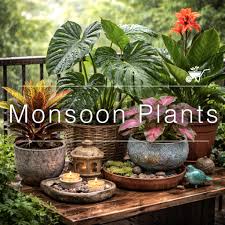
The monsoon season in India offers an ideal climate for gardening, provided you choose resilient plants like hibiscus, marigolds, and ferns. Success relies on ensuring proper drainage to prevent waterlogging, pruning for airflow, and managing pests, which allows for a lush and productive garden during the rainy months.
As the monsoon rains (June–September) sweep across India, the combination of cooler temperatures and high humidity creates an ideal environment for specific plant varieties. While the season is synonymous with growth, it also poses challenges like waterlogging and fungal infections. Choosing the right "monsoon-friendly" plants is the first step toward a successful rainy-season garden.
Top Monsoon-Friendly Plants for Your Garden
Selecting plants that naturally tolerate damp soil and humidity can significantly reduce maintenance efforts during the wet months. According to horticultural experts, the following plants are well-suited for Indian monsoon conditions:
Hibiscus: A quintessential monsoon shrub, the hibiscus thrives in high humidity and produces vibrant, consistent blooms throughout the rainy season. It requires well-drained soil and regular pruning to maintain its shape.
Marigolds (Genda): These reliable favorites are highly resilient. Whether grown from seeds or seedlings, they continue to bloom through the monsoon and into October, provided they are not left in standing water.
Rain Lilies: As the name suggests, these bulbs are triggered by the first showers of the monsoon. They are perfectly adapted to the season and add a delicate, colorful touch to pots and garden borders.
Balsam (Gul Mehndi): Often called a "monsoon native," this plant loves the moisture of the season and thrives in partial shade. It produces cheerful flowers in shades of pink, white, and red.
Coleus: Prized for its colorful, patterned foliage rather than flowers, coleus thrives in the humid air of the monsoon. It is an excellent choice for balcony gardens that receive filtered sunlight.
Ferns: The high humidity of the rainy season is perfect for ferns. They prefer moist, shaded environments and will remain lush and green even during heavy rainfall.
Managing Monsoon Gardening Challenges
While the season promotes growth, it requires a shift in traditional gardening habits. Proper management is the key to preventing common issues like root rot and pest infestations.
Essential Care Tips
Prioritize Drainage: Waterlogging is the primary cause of plant failure during the monsoon. Ensure all containers have clear drainage holes. For garden beds, raising the soil level by 15–20 cm can help prevent the roots from suffocating.
Adjust Watering: Do not follow a strict watering schedule. Rely on nature for moisture and check the soil surface; if the top inch feels damp, avoid adding more water.
Pruning and Airflow: Trim overhanging branches and remove dead or yellowing foliage before the rains intensify. Good airflow is essential to discourage the growth of mold and fungi.
Pest Control: Snails, slugs, and aphids are highly active in wet weather. Inspect plants daily and use organic remedies like neem oil or diatomaceous earth as a preventive measure.
Mulching: Applying a 2–3 inch layer of organic mulch, such as dry leaves or coconut husk, can protect the soil from erosion caused by heavy raindrops while retaining vital nutrients.
Why It Matters
For Indian homeowners, the monsoon is the most productive period for gardening. By selecting moisture-tolerant species and implementing basic drainage strategies, gardeners can transform their balconies and terraces into resilient, thriving sanctuaries. These practices not only lead to healthier plants but also minimize the risk of losing long-term garden investments to the common pitfalls of the rainy season.
Key Facts at a Glance
Ideal Season: June to September.
Top Flowering Picks: Hibiscus, Marigold, Rain Lily, and Balsam.
Drainage Fix: Raise garden beds by 15–20cm and elevate pots off the ground.
Pest Prevention: Spray neem oil every 10–14 days to keep aphids and fungal infections at bay.
FAQ
1. Should I stop watering my plants during the monsoon?
Not necessarily. Only water when the top inch of soil feels dry. During heavy, continuous rainfall, you may not need to water at all.
2. Why are my plant leaves turning yellow?
Yellowing leaves often indicate waterlogging or "wet feet." Ensure your pots have good drainage holes and move them to a spot where water doesn't pool.
3. What can I do about snails and slugs?
Snails are active at night. Keep the area around your plants clean, remove dead leaves, and consider using organic deterrents like neem leaves or salt barriers around pots.
4. Is it a good time to repot my plants?
The monsoon is generally a great time for transplanting and planting new saplings because the high humidity helps them establish roots quickly.
Source: The Economic Times, Plant Orbit, Times of India