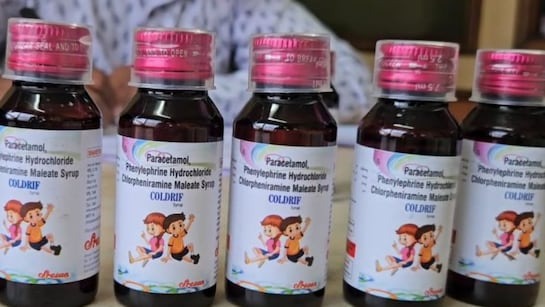
The Indian government has banned fixed-dose combination cold drugs containing chlorpheniramine maleate and phenylephrine for children under four. Citing safety risks like increased heart rate and convulsions, authorities mandated clear warning labels on all packages under the Drugs and Cosmetics Act following expert panel recommendations.
The central health administration enacts stringent regulatory controls on common multi-ingredient pediatric cold medicines.
NEW DELHI: The Ministry of Health and Family Welfare has implemented strict nationwide prohibitions on the manufacture, sale, and distribution of specific fixed-dose combination (FDC) medications containing chlorpheniramine maleate and phenylephrine hydrochloride for children under four years of age. Aimed at enhancing pediatric drug safety, the mandate addresses growing clinical concerns over adverse reactions in toddlers and infants.
Regulatory Crackdown on Pediatric Cold Formulations
The administrative measure extends previous safety advisories into a legally binding enforcement framework across all states and union territories. Under the directive, pharmaceutical companies are legally mandated to incorporate a distinct warning label on product packaging, inserts, and marketing collateral stating: “Fixed dose combination shall not be used in children below four years of age”.
The formulation pairs chlorpheniramine maleate—an antihistamine utilized to treat allergy symptoms such as rhinorrhea and sneezing—with phenylephrine hydrochloride, a nasal decongestant that constricts blood vessels within nasal passages. While historically widespread in over-the-counter pediatric drops and syrups, regulatory scrutiny highlighted that clinical benefits fail to outweigh potential health risks for very young cohorts.
Scientific Consensus and Risk Evaluation
The policy shift follows rigorous evaluations by a specialized Subject Expert Committee (SEC) alongside the Drugs Technical Advisory Board (DTAB). Expert reviews identified that administration of these specific multi-ingredient compounds to children under four can trigger severe side effects, including elevated heart rates, convulsions, and other acute physiological complications.
Furthermore, regulatory panels concluded that safer, single-ingredient or age-appropriate clinical alternatives are widely accessible for managing pediatric cold and flu symptoms. The formal order was enacted under Section 26A of the Drugs and Cosmetics Act, 1940, empowering authorities to prohibit formulations lacking sufficient safety justifications.
Impact on Consumers, Pharmacies, and Manufacturers
The regulatory enforcement requires immediate operational adjustments for pharmaceutical manufacturers, retail pharmacies, and medical practitioners. Drugmakers must alter production lines and labeling standards to comply with the statutory age floor. For parents and caregivers, the restriction reinforces the necessity of avoiding self-medication with combination cold syrups, urging consultation with pediatricians to secure safer therapeutic treatments for infants.
Official Sources Section
Regulatory parameters, statutory powers, and expert panel directives were issued according to official announcements and notifications released by the Ministry of Health and Family Welfare and the Central Drugs Standard Control Organisation (CDSCO).
"According to official announcements from the Ministry of Health and Family Welfare, the decision to restrict the fixed-dose combination follows comprehensive reviews by the Subject Expert Committee and the Drugs Technical Advisory Board, which concluded that potential risks to young children outweigh therapeutic benefits."
Why It Matters
Pediatric safety standards require continuous evaluation as clinical data evolves. Restricting unverified multi-ingredient cold medications prevents preventable adverse drug events in vulnerable age groups, ensuring that pediatric healthcare practices align with established safety benchmarks.
Key Facts at a Glance
Restricted Drugs: Fixed-dose combinations of Chlorpheniramine Maleate and Phenylephrine Hydrochloride.
Age Threshold: Strictly prohibited for use in children below four years of age.
Statutory Basis: Issued under Section 26A of the Drugs and Cosmetics Act, 1940.
Mandatory Action: Drug manufacturers must display warning labels on all product packaging, inserts, and promotional literature.
Frequently Asked Questions
Which medications are affected by the new government restriction?
The restriction applies to fixed-dose combinations (FDCs) containing chlorpheniramine maleate and phenylephrine hydrochloride, commonly found in pediatric cold and flu syrups and drops.
What is the minimum age limit for using these cold medicines?
Under the updated regulations, these specific FDC formulations must not be administered to children below four years of age.
Why were these combination drugs restricted?
Expert panels including the DTAB and SEC concluded that the health risks—such as increased heart rate and convulsions—outweigh any therapeutic benefits in young children, especially given the availability of safer alternatives.
What are manufacturers required to do now?
Makers of these formulations must print a clear warning on product labels, package inserts, and promotional materials stating that the combination must not be used in children under four.
Source: Ministry of Health and Family Welfare