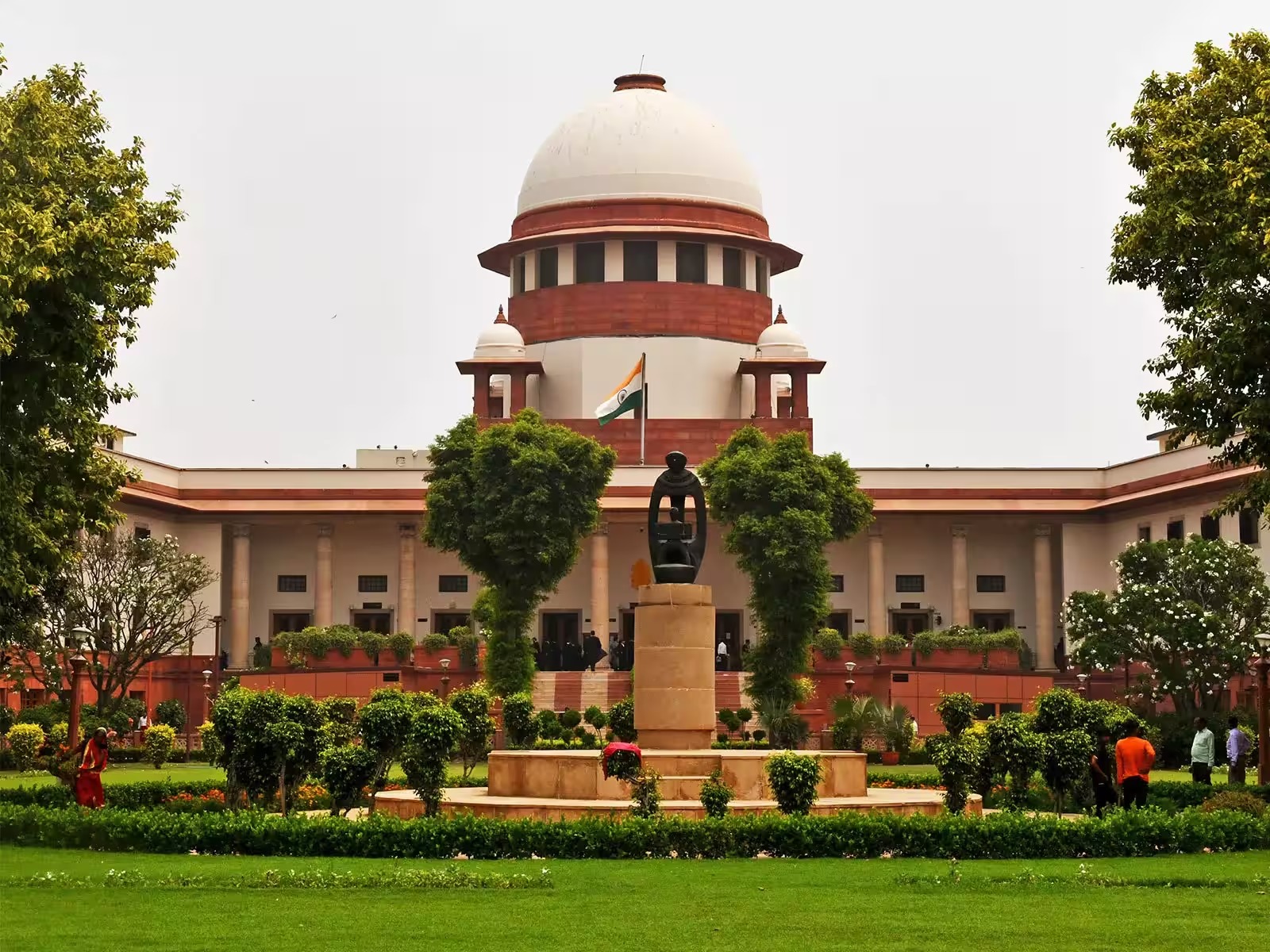
The Supreme Court will hear a plea on August 31 challenging the legality of anonymous cash donations under Rs 2,000 received by political parties. The petition seeks to scrap Section 13A(d) of the Income Tax Act to enforce complete funding transparency and protect the integrity of elections.
NEW DELHI — The Supreme Court of India is scheduled to hear a landmark petition challenging legal provisions that permit political parties to accept anonymous cash donations.
Supreme Court Examines Validity of Anonymous Cash Donations
NEW DELHI — In a crucial step toward electoral transparency, the Supreme Court of India will take up a public interest litigation (PIL) on August 31. The plea challenges the constitutional validity of Clause (d) of Section 13A of the Income Tax Act, 1961, which allows political parties to receive anonymous cash contributions below Rs 2,000 without disclosing donor identities.
The petition, filed through advocate Jayesh K Unnikrishnan, argues that the statutory exemption compromises transparency and undermines the foundational purity of democratic elections. Coming in the wake of the apex court's historic 2024 ruling striking down the electoral bonds scheme, the hearing highlights growing judicial scrutiny over political funding mechanisms and citizen access to financial disclosures.
Legal Contentions and Regulatory Framework
Challenging Income Tax Exemptions for Cash Contributions
According to official court submissions and filings from petitioner Khem Singh Bhati, the continuation of anonymous cash thresholds under Section 13A(d) is arbitrary. The plea asserts that with the widespread adoption of digital transactions and the Unified Payments Interface (UPI) nationwide, permitting cash-based exemptions lacks justification. The petition urges the bench to direct political organizations to fully disclose donor names and particulars regardless of the donation amount.
Impact on Voters, Electoral Integrity, and Compliance
Legal analysts and governance watchdogs note that opacity in political funding prevents voters from making fully informed choices. The petition further seeks directions for the Election Commission of India (ECI) to rigorously audit Form 24A contribution reports and enforce compliance under the Central Board of Direct Taxes (CBDT) guidelines, with potential penalties for non-compliant entities.
Official Court Proceedings and Responses
All administrative scheduling details and notice directives are drawn from official records of the Supreme Court of India and associated legal filings.
"According to officials, the bench has previously issued formal notices to the Centre, the Election Commission of India, and major political organizations, seeking comprehensive responses on reform measures for political funding transparency."
Why It Matters
For citizens and voters, ensuring transparent political financing is vital for upholding the Right to Information under Article 19(1)(a) of the Constitution. For political entities and regulators, the upcoming proceedings could redefine compliance standards, eliminating cash-based loopholes and enforcing strict public accountability across party lines.
Key Facts at a Glance
Scheduled Hearing Date: August 31.
Core Legal Challenge: Clause (d) of Section 13A of the Income Tax Act, 1961.
Key Issue: Legality of anonymous cash donations to political parties below Rs 2,000.
Respondents Notified: Centre, Election Commission of India, CBDT, and major national/regional political parties.
Frequently Asked Questions
What is the primary issue in the Supreme Court plea?
The petition challenges Section 13A(d) of the Income Tax Act, which allows political parties to accept anonymous cash donations under Rs 2,000 without disclosing donor identities.
When is the Supreme Court scheduled to hear the matter?
The Supreme Court will hear the petition on August 31.
Who filed the petition challenging anonymous cash donations?
The PIL was filed through advocate Jayesh K Unnikrishnan on behalf of the petitioner, challenging current income tax exemptions granted to political parties.
Source: Supreme Court of India, Election Commission of India, Central Board of Direct Taxes