Summary
U.S. President Donald Trump announced the cancellation of planned military strikes against Iran following urgent diplomatic appeals from regional allies. The conditional pause aims to allow negotiations toward an agreement ensuring the complete reopening of the Strait of Hormuz and addressing Iran's nuclear program.
Trump Cancels Planned Iran Strikes to Allow Peace Talks
Diplomatic intervention by Middle Eastern allies prompts a conditional pause in U.S. kinetic operations to secure the Strait of Hormuz.
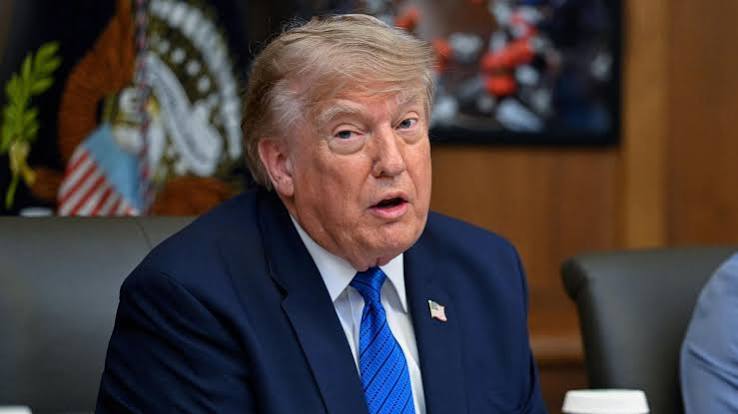
WASHINGTON — U.S. President Donald Trump announced that he has agreed to cancel a planned military strike against Iran following direct diplomatic appeals from Tehran and Middle Eastern partner nations. In a post published on Truth Social, the U.S. president stated that Washington stood "locked and loaded" to launch an operation but agreed to hold off to allow international negotiators time to finalize a framework agreement. The conditional announcement offers a temporary diplomatic window following weeks of heightened military confrontation in the Persian Gulf.
Regional Diplomatic Intervention Prompts Conditional Pause
The decision to stay the planned bombardment followed intensive high-level diplomatic engagements involving key Gulf state leaders. Saudi Crown Prince Mohammed bin Salman conducted direct telephone discussions with President Trump, stressing the urgent necessity of regional de-escalation to preserve economic stability and security.
White House officials confirmed that Israel joined the commitment to temporarily suspend offensive strikes while diplomatic discussions proceed. However, the U.S. administration emphasized that military assets remain in a state of high operational readiness across the region if rapid negotiating progress fails to materialize.
Proposed Framework Focuses on Hormuz and Denuclearization
The emerging negotiation framework centers on two primary requirements stipulated by Washington and regional partners. The foremost condition demands the "immediate, complete, and total" reopening of the Strait of Hormuz to restore unhindered international maritime commerce.
The second core parameter requires enforceable measures to halt Iran's nuclear advancement program. The Strait of Hormuz acts as a critical chokepoint for global energy supplies, where recent naval tensions and military activity caused notable disruptions in global commercial shipping traffic and energy markets.
Tehran Issues Warnings Amid Divergent Official Responses
Prior to the U.S. announcement, Iranian Foreign Minister Abbas Araghchi communicated with diplomatic counterparts in Turkey, Pakistan, and Saudi Arabia, warning that any renewed military aggression against Iranian territory would trigger a swift and proportionate response from Iran's armed forces.
Following Trump's statement, Iranian military representatives and state media expressed skepticism regarding the announcement, characterizing the statement as part of wider political and psychological pressure. Security analysts note that while formal negotiation protocols remain under development, field units across the Persian Gulf maintain elevated readiness posture.
Market Impact and Global Energy Corridors
The temporary suspension of offensive strikes provided immediate stabilization across global commodity exchanges. Oil futures and natural gas benchmarks moderated as traders evaluated the reduced likelihood of an immediate full-scale regional confrontation.
Maritime operators and international logistics firms continue to review navigation advisories in Middle Eastern waters. Industry representatives noted that full commercial transit through the Strait of Hormuz requires physical security assurances and updated maritime insurance protocols.
Official Sources Section
According to official social media announcements from President Donald Trump, diplomatic press summaries from the Saudi Press Agency, and official statements released by the Ministry of Foreign Affairs of the Islamic Republic of Iran, diplomatic representatives are establishing ground rules for formal talks.
Quote Section
"According to officials familiar with the discussions, Middle Eastern partner nations requested a brief window to formalize terms, leading the White House to pause scheduled kinetic strikes pending immediate progress."
Why It Matters
The cancellation of scheduled strikes temporarily halts an escalating military conflict that threatened global energy supply lines and international shipping. Restoring passage through the Strait of Hormuz reduces maritime freight costs and helps stabilize global energy pricing for international markets.
Key Facts at a Glance
Strike Pause: U.S. President Donald Trump canceled planned military strikes against Iran subject to rapid negotiating progress.
Core Requirements: Terms mandate the total reopening of the Strait of Hormuz and an end to Iran's nuclear threat.
Regional Allies: Saudi Arabia, Qatar, and other regional states engaged in direct diplomacy to advocate de-escalation.
Readiness Posture: U.S. forces remain positioned in the region if diplomatic talks do not yield a binding deal.
Frequently Asked Questions (FAQ)
Why did President Trump cancel the planned attacks on Iran?
President Trump paused the planned military strikes after receiving urgent requests from Iran and Middle Eastern allies to allow time to negotiate a deal framework.
What are the main conditions of the proposed agreement?
The conditions require the immediate and complete reopening of the Strait of Hormuz to international shipping and an end to Iran's nuclear threat.
Is Israel participating in the commitment to hold off on attacks?
Yes, according to statements from President Trump, Israel has joined the commitment to hold off on military strikes while negotiations proceed.
Source: [suspicious link removed], Saudi Press Agency, Ministry of Foreign Affairs of the Islamic Republic of Iran, Anadolu Agency