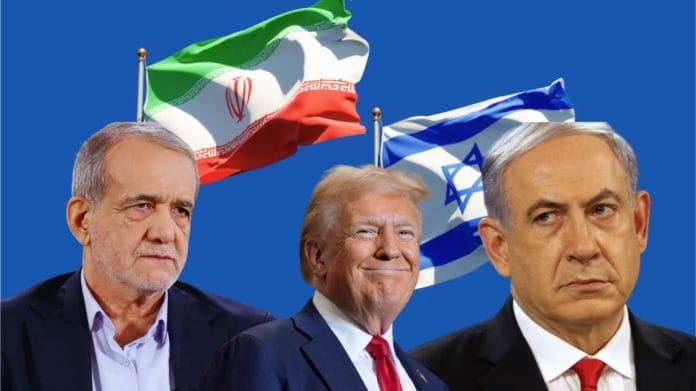
U.S. President Donald Trump has paused planned military strikes against Iran after regional mediators reported progress on a proposed agreement. The outline hinges on fully reopening the Strait of Hormuz to international shipping and resolving nuclear security concerns. Trump emphasized that military options remain available if diplomatic progress stalls.
WASHINGTON — U.S. President Donald Trump announced late Saturday that Washington has decided to temporarily halt planned military strikes against the Islamic Republic of Iran. The sudden shift comes after appeals from regional diplomatic intermediaries, including Oman, Qatar, and Saudi Arabia, indicating that the baseline parameters for a broader diplomatic agreement have been outlined.
The decision temporarily pauses a planned Joint bombing initiative targeting strategic infrastructure in the region. President Trump stated that military options remain available if negotiations break down, but the pause provides a narrow window for indirect diplomatic engagement aimed at restoring regional maritime security.
Why Trump Halts Iran Attacks: Key Factors Behind the Pause
The primary reason President Trump halts Iran attacks centers on joint diplomatic requests from Gulf partners and European intermediaries urging Washington to test Tehran’s willingness to finalize a binding agreement. Middle Eastern governments cautioned the White House that an immediate, large-scale air campaign could trigger widespread regional escalation, threatening energy exports across the Persian Gulf.
Diplomats involved in the talks reported that indirect discussions—mediated primarily through Oman and Qatar—gained momentum after Washington signaled potential terms for sanctions relief in exchange for verified security commitments. Financial markets responded immediately to news that Trump halts Iran attacks, with global crude oil benchmark prices falling and equity futures rallying on reduced fears of severe supply disruptions.
The Proposed Framework: What Deal Is Trump Hinting At?
The proposed agreement referenced by the White House rests on two primary pillars: restoring open navigation through global maritime chokepoints and imposing verifiable limits on nuclear development.
Unrestricted Access to the Strait of Hormuz
A core requirement of the framework involves the immediate and complete reopening of the Strait of Hormuz. Approximately 20% of global petroleum traffic moves through the narrow waterway. Escalating military tensions and commercial shipping blockades in recent months led to record insurance premiums for oil tankers and heightened energy costs worldwide.
Halting Nuclear Development
The framework outlines an end to Iran's high-grade uranium enrichment activities under monitored safeguards. While specific verification protocols remain subject to ongoing technical negotiations in Muscat, White House officials emphasized that any final pact must verifiably block pathways to a nuclear weapon.
Regional Dynamics and Israeli Involvement
President Trump noted that Israel supports the decision to explore a rapid diplomatic solution, though Jerusalem has not independently published detailed terms regarding its operational stance. Israeli officials previously asserted that national defense priorities would dictate their military posture regardless of third-party arrangements.
Meanwhile, official Iranian state media issued cautious statements, denying that Tehran sought direct concessions from Washington while acknowledging that indirect communication via regional intermediaries remains active. Iranian diplomatic representatives reiterated that any long-term resolution depends on the immediate lifting of economic sanctions and guarantees respecting national sovereignty.
Official Sources Section
Statements, official releases, and diplomatic briefings confirming the development include:
Executive Office of the President of the United States: Public communications issued via official channels detailing the decision to hold off on planned strikes.
Ministry of Foreign Affairs of the Islamic Republic of Iran: Official press briefings by diplomatic spokespersons regarding indirect communication channels.
Omani and Qatari Foreign Ministries: Mediating statements regarding regional diplomacy and maritime negotiations.
Quote Section
"We have just been asked by Iran, and other Middle Eastern countries, to hold off any attack in that the perimeters of a deal has been agreed to. This would include the immediate, complete, and total opening of the Hormuz Strait and an end to Iran's nuclear threat."
— Donald Trump, President of the United States
"According to officials in Tehran, Iran continues to communicate through regional intermediaries to safeguard national interests, emphasizing that diplomatic tools will be utilized strictly on an equal and sovereign basis."
Why It Matters: Practical Impact on Energy Markets and Security
The announcement carries significant real-world implications for global trade, energy consumers, and international supply chains:
Energy Cost Stabilization: Reopening the Strait of Hormuz restores standard transit for crude oil and liquefied natural gas (LNG), preventing sudden price surges at gasoline pumps globally.
Commercial Maritime Operations: Shipping lines face lower war-risk insurance rates across the Persian Gulf, easing logistics bottlenecks for industrial cargo.
Investor Sentiment: Reduced geopolitical friction in the Middle East stabilizes equity markets and provides clarity for international energy infrastructure investments.
Key Facts at a Glance
Military Pause: President Trump halts Iran attacks following mediation requests from Middle Eastern allies.
Core Conditions: Framework focuses on unrestricted transit through the Strait of Hormuz and verifiable nuclear restrictions.
Diplomatic Channels: Indirect talks continue primarily through Oman, Qatar, and regional partners.
Market Impact: Global crude oil benchmarks adjusted downward following news of suspended military operations.
Frequently Asked Questions (FAQ)
Why has President Trump halted Iran attacks?
President Trump halted planned military strikes after regional mediators, including Oman and Qatar, reported progress on a framework to reopen key maritime routes and address nuclear security concerns.
What deal is President Trump hinting at with Iran?
The hinted deal outlines the total reopening of the Strait of Hormuz for commercial shipping, an end to Iran's nuclear proliferation risks, and potential phased sanctions relief under monitored compliance.
Is the decision to pause military strikes permanent?
No. U.S. officials indicated that the pause is conditional on rapid diplomatic progress, reserving the option to resume military actions if negotiations fail.
Source: Official announcements from the White House Press Office, the [suspicious link removed], and formal statements from the Iranian Ministry of Foreign Affairs.