U.S. President Donald Trump has canceled scheduled missile strikes and bombings against Iran, pointing to major progress toward a multilateral regional peace transaction. While the U.S. naval blockade remains fully active, international mediators are working to finalize a 60-day diplomatic framework to halt further escalations in the West Asia war.
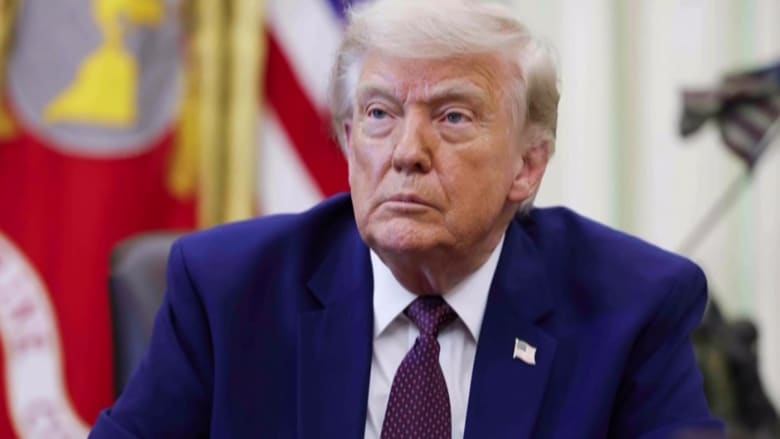
WASHINGTON — In a sudden shift in the West Asia war, U.S. President Donald Trump announced late Thursday that he has canceled scheduled military strikes against Iran. The decision comes hours after the president threatened a severe escalation that included seizing major Iranian oil infrastructure. According to statements released by the White House, the reversal follows a critical diplomatic breakthrough, with Trump indicating that a broad, multi-nation peace agreement has reached the highest levels of Iranian leadership for final verification.
White House Shifts Posture from Escalation to Negotiation
The announcement represents a sharp pivot from the aggressive stance displayed by the Trump administration earlier on June 11, 2026. In public statements released on Truth Social earlier in the afternoon, President Trump warned that the U.S. military would hit Iranian assets "VERY HARD, TONIGHT" and explicitly stated plans to assume control of Kharg Island—the primary logistics hub handling roughly 90% of Iran's crude oil exports.
However, by Thursday evening, the executive branch ordered an immediate stand-down of the planned aerial bombardments. Trump attributed the shift to significant progress in backchannel diplomatic mediation, asserting that the foundational concepts and specific points of a potential peace transaction have been approved in principle by an expansive coalition of allied nations.
Multilateral Coalition Structures Potential Extended Ceasefire
According to briefings details tracking the diplomatic developments, the proposed transaction aims to formalize an extended ceasefire, reopen the strategically vital Strait of Hormuz to commercial shipping channels, and establish a 60-day framework dedicated to auditing Iran's nuclear program.
The White House indicated that the primary parameters of the transaction have been approved by multiple key regional actors, including:
United States and Israel
Saudi Arabia and the United Arab Emirates (UAE)
Qatar, Turkey, and Pakistan
Jordan, Egypt, Bahrain, and Kuwait
Despite the suspension of active airstrikes, the pentagon confirmed that the comprehensive U.S. Naval Blockade encasing the Persian Gulf remains in full force. Officials stated that maritime interception operations will continue uninterrupted until a definitive international agreement is signed.
Tehran Urges Caution Amid Unverified Public Claims
While Washington projected an imminent diplomatic breakthrough, official state media apparatuses in Tehran responded with measured skepticism. The Islamic Republic’s semi-official Tasnim News Agency advised regional observers to dismiss unilateral statements until a formal, parallel declaration is verified by the Iranian Foreign Ministry.
Diplomatic sources noted that while negotiations mediated by Qatari envoy Ali Al-Thawadi and Iranian Foreign Minister Abbas Araghchi made substantial progress on resolving the release of frozen Iranian asset mechanisms, final approval from Iran’s Supreme Leader Mojtaba Khamenei is still pending. Prior to the stand-down order, Iran's parliamentary speaker, Mohammad-Bagher Ghalibaf, warned that impulsive military strikes targeting energy infrastructure would trap external forces in an endless quagmire.
Official Sources Section
The operational declarations, military directives, and diplomatic positions described in this news dispatch are sourced directly from official executive updates via the White House, public security briefs from the [suspicious link removed], regional monitoring reports published by The Hindu, and corporate statements filed by Middle Eastern geopolitical analysis desks at Axios.
Quote Section
"Based on the fact that discussions with the Islamic Republic of Iran have been brought to the highest level of Iranian leadership and approved, I have, as President of the United States of America, cancelled the scheduled strikes and bombings against Iran this evening. The Naval Blockade will remain in full force and effect until this Transaction is finalized."
— From an official public statement issued by U.S. President Donald Trump.
Why It Matters
The temporary suspension of active military strikes prevents an immediate regional infrastructure war that threatened to disrupt the global energy economy. Had the U.S. proceeded with the targeted bombardment of Kharg Island, analysts warned of retaliatory strikes capable of shutting down the Strait of Hormuz completely. For global markets, investors, and consumers, this diplomatic pause limits an immediate spike in crude oil prices, though the continuation of the naval blockade keeps shipping insurance premiums elevated.
Key Facts at a Glance
Airstrikes Suspended: President Trump ordered an immediate cancellation of scheduled heavy bombings targeting mainland Iran.
Oil Infrastructure Saved: Planned military operations to seize Kharg Island have been paused pending diplomatic reviews.
Multi-Nation Coalition: Key regional powers including Israel, Saudi Arabia, UAE, and Turkey have reportedly agreed to the draft peace concepts.
Blockade Maintained: The U.S. military naval blockade remains active and fully enforced across regional waters.
Tehran Awaits Approval: Iranian state media emphasizes that final confirmation from Supreme Leader Mojtaba Khamenei is required before a deal is official.
FAQ Section
What were the initial targets of the canceled U.S. strikes?
Prior to the cancellation order, the U.S. military was prepared to strike domestic Iranian defensive positions and take operational control of major energy export points, specifically targeting Kharg Island in the Persian Gulf.
Does this mean the West Asia war has officially ended?
No. While the immediate threat of a direct U.S. bombing campaign on Iran has been averted, a nominal and fragile ceasefire remains subject to violations. Ground conflicts involving regional proxies and localized strikes in neighboring territories continue.
What are the main conditions of the proposed deal?
According to initial diplomatic leaks, the draft framework focuses on a verified extension of the active ceasefire, the unblocking and normal restoration of commercial shipping lanes through the Strait of Hormuz, and 60 days of structured negotiations regarding Iran's nuclear infrastructure.
Why is the U.S. keeping the naval blockade active if strikes are canceled?
The Trump administration is utilizing the active naval blockade as critical economic leverage to ensure that Iranian negotiators follow through on the terms discussed during high-level backchannel mediation.
Source: [suspicious link removed], The Hindu International Bureau Reports, Axios Diplomatic Tracking, Tasnim News Agency Statements.