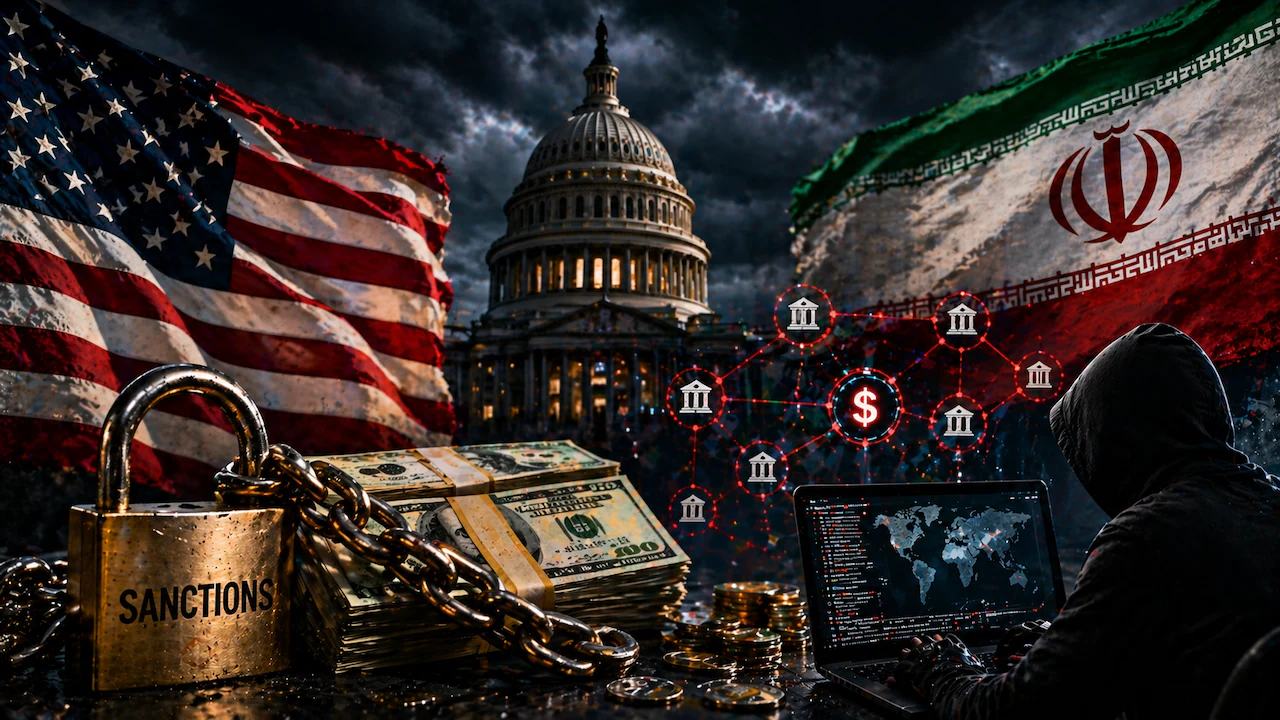
President Donald Trump’s intensified secondary sanctions and tariff ultimatums against Iranian oil trade are squeezing major Asian buyers like China and India. By targeting independent refiners and maritime shipping, Washington aims to cut Iranian revenues, escalating risks of crude price spikes and supply disruptions across international markets.
WASHINGTON / NEW DELHI / BEIJING — The Trump administration’s intensified "maximum pressure" campaign and sanction ultimatums targeting Iran’s energy exports are creating sharp economic ripples across Asian markets, putting major buyers like China and India under renewed geopolitical and commercial scrutiny. Following aggressive secondary sanctions and new legislative tariff frameworks targeting third-country entities engaged in Iranian oil trade and logistics, international energy desks are recalibrating supply chains to mitigate global market disruptions. The developments come amid heightened maritime sensitivity around Persian Gulf transit routes and increasing concerns over domestic inflationary impacts across crude-importing economies.
Washington’s Secondary Sanctions and Legislative Pressure
The United States has moved aggressively to choke off Iranian crude flows, blacklisting independent Chinese refineries—including large processing units such as Hengli Petrochemical's Dalian facility—along with dozens of maritime shipping operators and "shadow fleet" tankers. The U.S. Treasury Department maintains that these entities facilitate illicit crude shipments that finance Iranian state operations and regional activities.
Simultaneously, U.S. lawmakers have advanced fast-tracked bipartisan legislation—such as the Russia-Iran Sanctions Act—proposing punitive tariffs of up to 100% on goods from top purchasers of sanctioned hydrocarbons, directly naming major trading economies like China and India. This aggressive posture is designed to force global importers to cut purchases to zero or risk exclusion from U.S. dollar clearing systems and transatlantic trade networks.
Strategic and Energy Implications for China and India
The enforcement push impacts Beijing and New Delhi through distinctly different channels:
China's Teapot Refiners Under Pressure: China remains the largest consumer of Iranian oil, with independent refiners ("teapots") relying on steep discounts to maintain processing margins. Direct secondary sanctions against Chinese port terminals and financial intermediaries threaten to disrupt these discounted supply streams, prompting friction between Washington and Beijing.
India's Import Balancing Act: While India had previously complied with U.S. waiver phase-outs by halting direct Iranian crude imports, it continues to manage significant energy partnerships with Russia and Middle Eastern suppliers. The prospect of sweeping secondary sanctions and tariff threats complicates New Delhi's energy security strategy, requiring continuous supplier diversification to safeguard domestic refining margins.
Regional Logistics Vulnerabilities: Disruption threats along the Strait of Hormuz—through which one-fifth of global petroleum transits—have driven up marine insurance premiums, bunker costs, and freight rates for Asian importers.
Global Energy Volatility and Economic Fallout
Energy analysts warn that aggressive secondary sanctions carry the risk of unintended economic feedback loops. Squeezing significant crude volumes out of global circulation without immediate, equal replacement from alternate producers risks driving benchmark crude prices upward, adding to global inflationary pressures.
Furthermore, the continuous application of unilateral trade restrictions accelerates the creation of parallel, non-dollar financial payment mechanisms among BRICS economies, gradually weakening the global reach of traditional sanctions frameworks.
Official Sources Section
Regulatory filings, diplomatic briefings, and trade metrics referenced in this report are based on official documentation from the U.S. Department of the Treasury, official statements from the Ministry of External Affairs of India, and commodity market data published by the International Energy Agency.
Quote Section
"According to U.S. Treasury officials and international trade analysts, the administration is deploying secondary sanctions to eliminate revenue avenues from Iranian oil exports, even as Asian energy desks caution that aggressive supply restrictions risk driving up global energy prices and straining international trade relations."
Why It Matters
Inflationary Shockwaves: Escalating crude oil benchmarks directly inflate logistics, fuel, and manufacturing input costs for retail consumers worldwide.
Geopolitical Balancing: Forces major Asian economies like India to manage strategic alliances with the West while securing affordable, diversified energy supplies.
Alternative Financial Mechanisms: Accelerates bilateral currency settlements and local-currency trading channels designed to circumvent U.S. dollar clearing systems.
Key Facts at a Glance
Secondary Sanctions Focus: U.S. Treasury targets Chinese refineries and dozens of maritime shipping entities handling Iranian crude.
Tariff Legislation: U.S. lawmakers have proposed punitive tariffs of up to 100% on goods from major buyers of sanctioned energy.
Chokepoint Sensitivity: Tensions near the Strait of Hormuz threaten vital maritime freight transit for India and East Asian nations.
Global Price Risk: Analysts warn that sudden supply cuts without compensating output could trigger crude price spikes in international markets.
Frequently Asked Questions
How do U.S. secondary sanctions affect third countries like India and China?
Secondary sanctions target non-U.S. businesses, banks, and refineries dealing with sanctioned Iranian entities, cutting them off from the U.S. financial system and risking steep punitive trade tariffs.
Does India still import significant crude oil from Iran?
India halted direct imports of Iranian crude following earlier U.S. sanctions compliance, shifting purchases toward Russia and Gulf producers, but remains exposed to broader secondary tariff threats and global price volatility.
What is the impact of these sanctions on global crude oil prices?
Restricting physical oil supplies from major producing nations tightens global market balances, frequently driving up benchmark prices like Brent crude and raising fuel costs for consumer nations.
Source: U.S. Department of the Treasury, Ministry of External Affairs, International Energy Agency.