President Donald Trump confirmed that Iran has released Dena Karari, a U.S. citizen trapped in Tehran under a coercive exit ban since 2024. Facilitated via secret backchannels, the humanitarian breakthrough occurred amid severe military escalation, as U.S. forces simultaneously launched a new wave of heavy strikes against Iranian coastal defenses.
WASHINGTON — U.S. President Donald Trump announced late Wednesday, July 15, 2026, that Iran has released a wrongfully detained American citizen who had been barred from leaving the country for over a year. The announcement came directly via the president's social media channels even as the United States military executed a parallel, high-intensity wave of airstrikes against Iranian coastal defense networks. The freed individual, later identified by legal counsel as dual U.S.-Iranian national Dena Karari, had been subjected to a coercive exit ban and espionage allegations since December 2024. While the development marks a significant humanitarian breakthrough, defense analysts note it occurs against a highly volatile backdrop as active kinetic warfare continues to escalate across the Persian Gulf.
Presidential Declaration and Identification of the Detainee
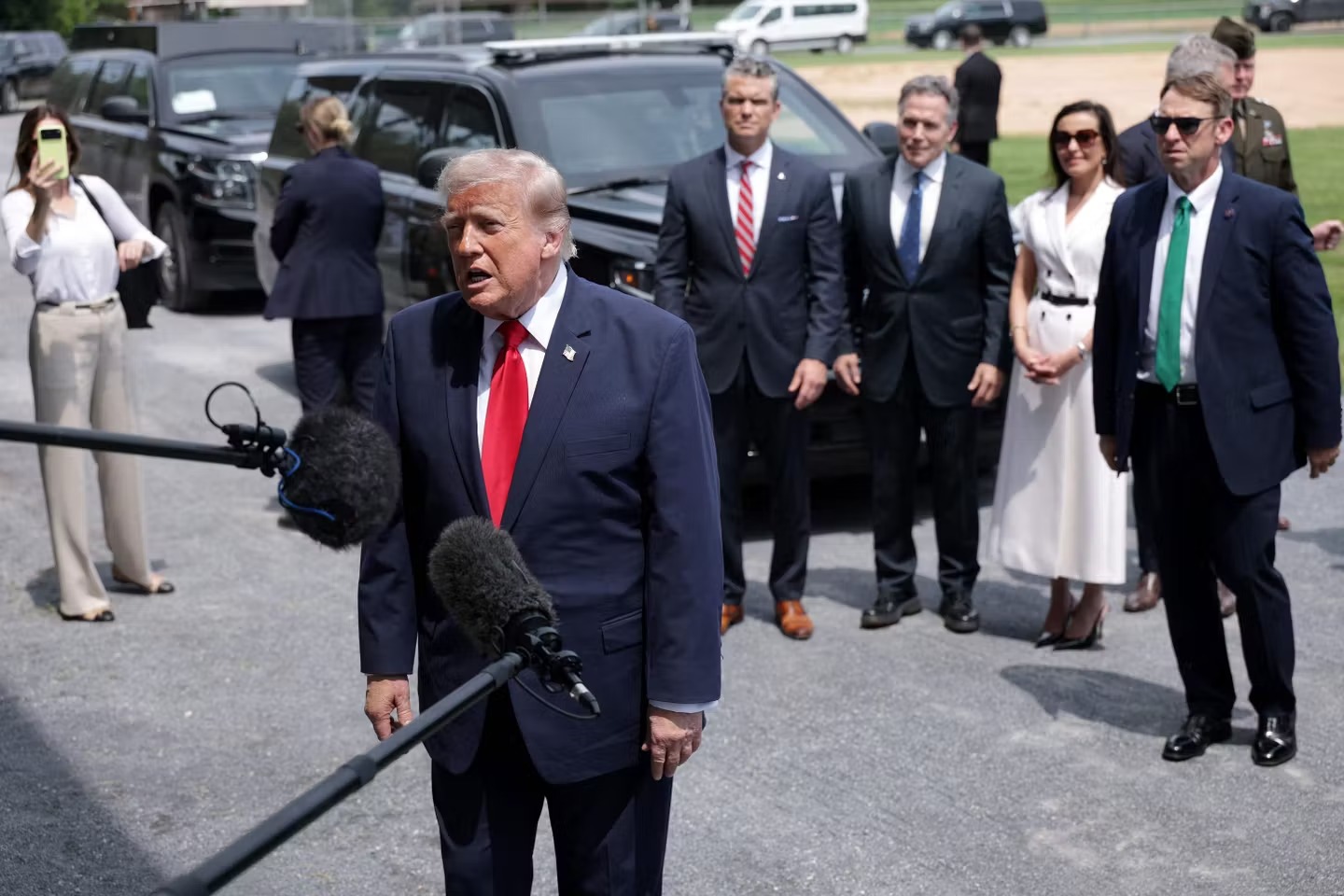
The initial confirmation of the release emerged from the White House, with President Trump praising what he framed as a rare diplomatic concession from Tehran. Writing on his Truth Social platform, Trump emphasized that the American national had been held under the previous administration.
"She is now safely outside of Iran, and in good condition," President Trump stated. "The United States of America appreciates this gesture of Goodwill by Iran!"
Following the executive post, international human rights attorney Jared Genser publicly identified the individual as his client, Dena Karari. Genser confirmed via a statement on X (formerly Twitter) that Karari had successfully departed Iranian territory and was actively traveling back to the United States. According to Genser, Karari had been trapped in Iran on "bogus charges" since late 2024 after visiting family members. She had faced intense pressure from the regime due to her leadership of the Children of Mehr Foundation, a licensed non-profit organization providing humanitarian assistance to impoverished Iranian children.
Humanitarian Conditions and Secret Diplomacy
Although Karari was not held inside a traditional prison facility, she was subjected to a strict, state-enforced exit ban that effectively left her trapped within the country. Her legal team disclosed that she endured dozens of invasive interrogations by Iranian intelligence agents and suffered severe physical and psychological degradation, culminating in a localized heart attack on July 8, 2026.
Diplomatic sources familiar with the matter revealed that Karari’s name was placed on a priority negotiation roster compiled by the [suspicious link removed]. The documentation was managed directly by U.S. Special Envoy Steve Witkoff, who has been quietly heading backchannel communications with Iranian counterparts in an effort to de-escalate the broader regional conflict.
The breakthrough comes at a critical juncture. The United States and Iran had previously signed a temporary 60-day ceasefire framework under the Islamabad Memorandum of Understanding in June 2026. However, that agreement explicitly omitted provisions regarding foreign prisoners and subsequently collapsed earlier this month following direct naval skirmishes and drone attacks in international shipping lanes.
Military Escalation Context: Striking the Strait
The humanitarian release occurred in parallel with a substantial expansion of U.S. combat operations in the Middle East. Hours before the announcement, U.S. Central Command (CENTCOM) launched a massive second wave of precision airstrikes against Iranian targets.
According to official Pentagon briefings, U.S. naval assets and carrier-based warplanes targeted anti-ship cruise missile storage bays, coastal radar hubs, and active launch systems situated on Greater Tunb Island and along the strategic littoral borders of the Strait of Hormuz. CENTCOM asserted the strikes were defensive shaping maneuvers intended to break an aggressive Iranian naval blockade and secure global energy corridors.
In response, the Iranian Health Ministry issued a statement claiming that the American strikes on southern coastal provinces had resulted in at least 35 fatalities and wounded more than 300 individuals, raising fears of a rapid shift into an uncontained, full-scale theater war.
Official Announcements Section
The administrative procedures regarding the repatriation remain highly guarded due to security constraints. The [suspicious link removed] formally declined to elaborate on the logistical specifics of the departure or comment on whether financial or sanctions-related concessions were exchanged.
The Iranian government has not published an official state decree via its primary foreign ministry portal regarding the timing of the release, though state-aligned media outlets reported it as an independent judicial decision tied to the expiration of prior travel restrictions.
Quote Section
"According to officials familiar with the negotiations, the release was mediated through neutral regional intermediaries who facilitated the clearance of the exit ban, allowing the American citizen to secure immediate transit out of Tehran before the expansion of subsequent aerial campaigns."
Why It Matters
The fact that Trump says Tehran has released a US citizen establishes a paradoxical baseline for international observers. On a humanitarian level, it demonstrates that backchannel diplomatic communication lines between Washington and Tehran remain functional, even during active military engagements. However, for global markets, international shipping firms, and regional investors, the release does not signal an immediate cessation of hostilities. With the Strait of Hormuz remaining a heavily contested combat zone, commodity traders continue to budget for significant volatility in global energy prices, recognizing that tactical prisoner releases do not automatically translate into a comprehensive geopolitical ceasefire.
Key Facts at a Glance
Individual Freed: Dual U.S.-Iranian citizen Dena Karari is safely outside Iran after being subjected to a coercive exit ban since December 2024.
Executive Confirmation: President Donald Trump publicly thanked Iran on Truth Social, calling the sudden release a "gesture of Goodwill."
Bilateral Paradox: The release occurred on the same day U.S. Central Command executed heavy precision airstrikes against Iranian missile sites.
Medical Urgency: The resolution followed reports that the detainee suffered a severe heart attack on July 8 while undergoing state interrogation.
FAQ Section
Who was the American citizen released by Iran?
The citizen has been identified as Dena Karari, a dual U.S.-Iranian national who operates the Children of Mehr Foundation, a licensed humanitarian charity helping impoverished youths.
Was she held in an Iranian prison facility?
No. Karari was subjected to a coercive state exit ban and intensive interrogations, meaning she was legally blocked from leaving the country rather than being physically jailed.
Does this release mean the US-Iran war is coming to an end?
No. While viewed as a positive humanitarian gesture, the release occurred simultaneously with expanded U.S. precision bombings against Iranian military installations in the Strait of Hormuz.
Source: Official statements from the [suspicious link removed], legal briefs published by attorney Jared Genser, operational updates from U.S. Central Command (CENTCOM), and official reports filed by Xinhua and Agence France-Presse (AFP).