The Union Cabinet has sanctioned 237.31 billion rupees for a comprehensive compressed biogas production scheme. Designed to boost domestic clean energy capacity, reduce import dependency, and streamline waste management, the policy framework provides essential capital backing for sustainable industrial growth across India.
New Delhi's strategic push for renewable energy accelerates as authorities back a major bio-economy initiative.
Cabinet Sanctions Major Funding for Biogas Production
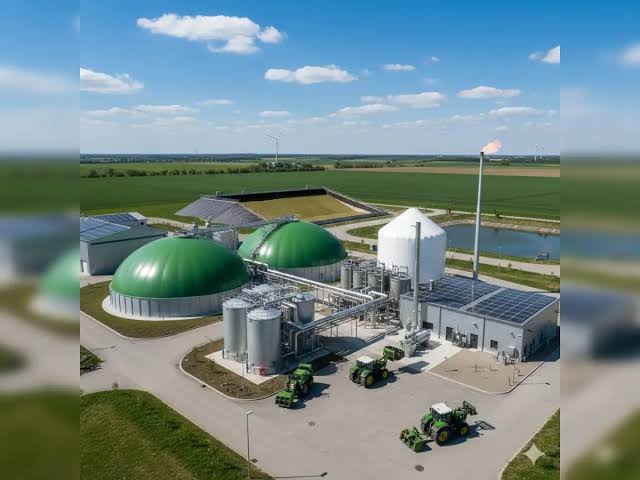
The Union Cabinet in New Delhi has formally approved a financial outlay of 237.31 billion rupees directed toward scaling up compressed biogas production nationwide. Announced by government representatives, the capital allocation aims to transform organic and agricultural residue into clean, sustainable fuel while reducing municipal waste burdens.
The decision marks a critical milestone in India’s broader green transition roadmap, fortifying domestic energy security and cutting down carbon footprints across urban and rural sectors. The policy framework focuses heavily on establishing robust supply chains, expanding plant infrastructure, and streamlining waste aggregation mechanisms.
Background and Policy Framework
The newly backed compressed biogas production scheme builds upon existing frameworks like the Sustainable Alternative Towards Affordable Transportation (SATAT) initiative and the GOBARdhan umbrella program. Over recent years, public sector undertakings and private energy developers have worked to construct localized waste-to-energy conversion plants.
According to official briefings, the capital injection will tackle primary industrial bottlenecks, including feedstock availability, high initial capital requirements, and market linkage instabilities. By supporting commercial-scale plants, the initiative reduces the nation's reliance on imported liquefied natural gas (LNG) and fossil fuels.
Impact on Citizens, Businesses, and Investors
For citizens and consumers, the expansion of green gas networks means cleaner air and more stable energy pricing over the long term. Businesses operating in transport, manufacturing, and agricultural sectors will benefit from diversified energy sources and anticipated phased blending mandates.
For investors and project developers, the substantial fiscal backing de-risks capital-intensive infrastructure deployments, creating predictable revenue streams through assured offtake agreements with state-backed oil marketing companies.
Official Sources and Regulatory Announcements
According to official announcements from government releases and ministerial briefings, the financial allocation has received formal clearance following inter-ministerial consultations and comprehensive evaluations by economic planning panels. Regulatory bodies emphasize that transparent fund disbursement rules will govern the setup of upcoming production units.
"According to officials...," the capital outlay will be channeled strategically to ensure equitable regional distribution of bio-energy plants and to maximize local employment generation in rural districts.
Key Facts at a Glance
Approved Financial Outlay: 237.31 billion rupees allocated toward compressed biogas production.
Core Objective: Scaling domestic renewable fuel generation and cutting reliance on imported natural gas.
Feedstock Utilization: Conversion of agricultural residue, cattle dung, and municipal organic waste into high-purity fuel.
Implementation Support: Integration with long-term offtake mechanisms and machinery procurement assistance.
Frequently Asked Questions
What is the total financial outlay approved by the cabinet?
The Union Cabinet approved an outlay of 237.31 billion rupees dedicated to the compressed biogas production scheme.
What are the primary raw materials used in these biogas plants?
Plants utilize agricultural stubble, cattle dung, organic municipal solid waste, and dedicated energy crops.
How does this scheme benefit local communities and farmers?
Farmers can monetize agricultural residues that were previously burned, creating an additional income stream while supporting rural sanitation.
Where can stakeholders review official policy announcements?
Official documentation and press releases are accessible through the Press Information Bureau (PIB) and the Ministry of Petroleum and Natural Gas.
Source: Press Information Bureau (PIB), Ministry of Petroleum and Natural Gas