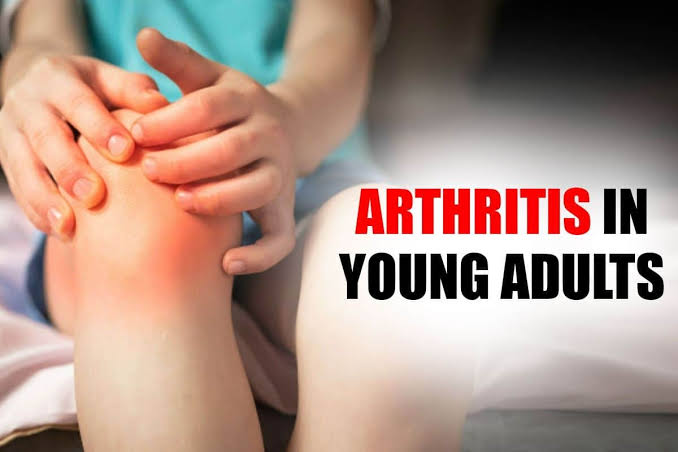
Young adults are increasingly being diagnosed with early-onset arthritis, often driven by autoimmune conditions or prior injuries. Medical experts emphasize the importance of monitoring warning signs such as morning stiffness, persistent swelling, and reduced range of motion. Early clinical intervention is vital to preserving long-term joint health and mobility.
NEW DELHI — Arthritis is increasingly being diagnosed in younger demographics, challenging the common misconception that the condition is exclusive to the elderly. Medical professionals are urging young adults to pay closer attention to persistent joint discomfort, as early detection and intervention are the most effective ways to prevent permanent cartilage damage and maintain physical mobility.
According to health experts, arthritis is not a single disease but a broad term encompassing over 100 conditions that affect joints and connective tissues. In young adults, symptoms often manifest differently and can be triggered by autoimmune responses, previous sports-related injuries, genetic predispositions, or lifestyle factors such as prolonged sedentary behavior and poor posture.
Recognizing the Early Warning Signs
Identifying the onset of arthritis in its early stages requires awareness of subtle physiological changes. Health organizations and orthopedic specialists highlight several key indicators that should not be dismissed as simple muscle fatigue or temporary strain:
Persistent Morning Stiffness: Stiffness that lasts for more than 30 minutes upon waking is a hallmark of inflammatory arthritis. Unlike temporary stiffness from sleeping in an awkward position, this symptom is recurring.
Localized Swelling and Warmth: Joints that appear puffy, red, or feel warm to the touch suggest underlying inflammation within the joint space.
Reduced Range of Motion: Difficulty in performing routine tasks, such as gripping objects, climbing stairs, or bending down, can indicate declining joint function.
Unexplained Fatigue: Chronic exhaustion, distinct from general tiredness, is frequently associated with autoimmune forms of the condition, such as rheumatoid arthritis, where the body's immune response consumes significant energy.
Audible or Tactile Grinding: Frequent clicking or grinding sensations (crepitus) within a joint during movement can signal early changes in joint surfaces.
Common Types Affecting Younger Populations
While osteoarthritis (OA) is the most prevalent form of arthritis overall—often linked to "wear and tear"—younger adults are frequently diagnosed with inflammatory or autoimmune variants.
"Autoimmune conditions occur when the immune system mistakenly attacks healthy joint tissue, leading to chronic inflammation," noted researchers at Mayo Clinic. Common types observed in younger adults include:
Rheumatoid Arthritis (RA): A systemic inflammatory disorder that often begins in early adulthood, primarily affecting the hands and feet.
Psoriatic Arthritis: Associated with skin conditions like psoriasis, this type can affect both small and large joints.
Ankylosing Spondylitis: A type of inflammatory arthritis that typically affects the spine, causing stiffness and pain in the back.
Early-Onset Osteoarthritis: Often the result of previous joint injuries, such as ligament tears or fractures sustained during high-impact sports.
Why Early Intervention Matters
Early diagnosis is critical for preventing the progression of joint damage. When left untreated, inflammatory arthritis can lead to irreversible bone and cartilage destruction. Furthermore, for young adults, the condition can significantly impact career performance, daily social interactions, and mental well-being.
"Proactive treatment—combining physical therapy, lifestyle modifications, and medical management—can significantly improve quality of life," according to officials from Max Healthcare. Experts recommend that individuals who experience joint pain lasting more than a few weeks should seek professional medical evaluation rather than relying on self-medication or ignoring the symptoms.
Key Facts at a Glance
Demographics: While arthritis is more common in older age groups, approximately 30% of osteoarthritis cases occur in people under 40.
Risk Factors: Genetics, family history of autoimmune conditions, past joint injuries, and excess body weight are primary contributors.
Actionable Steps: Maintaining ergonomic workspaces, engaging in low-impact aerobic exercise, and adopting an anti-inflammatory diet are recommended strategies for joint health.
Frequently Asked Questions
Is joint pain always a sign of arthritis?
Not necessarily. Occasional pain can result from muscle strain, overuse, or injury. However, persistent discomfort that recurs over several weeks warrants medical investigation.
Can exercise make arthritis worse?
Misconceptions about exercise often prevent young adults from staying active. Properly guided, low-impact exercise—such as swimming or cycling—strengthens the muscles surrounding joints, providing essential support and reducing strain.
Does family history play a role?
Yes. A family history of autoimmune or inflammatory joint conditions increases susceptibility, and individuals with such history should be particularly vigilant about early warning signs.
Source: Mayo Clinic, Max Healthcare, Citizens Hospitals