US and Iranian delegations have commenced critical diplomatic talks in Bürgenstock, Switzerland, to solidify a fragile interim peace framework. Led by Vice President JD Vance and Iranian Speaker Mohammad Bagher Ghalibaf, the summit faces immediate pressure from ongoing clashes in Lebanon and conflicting claims over the Strait of Hormuz.
US, Iran Begin Switzerland Talks on Nuclear Deal and Lebanon Ceasefire
High-level delegations open a 60-day diplomatic window to salvage a fragile regional peace framework amid escalating maritime and border friction.
BÜRGENSTOCK, Switzerland — High-level negotiators from the United States and Iran commenced critical, face-to-face diplomatic talks in Switzerland on Sunday, aiming to finalize the comprehensive technical details of an interim peace accord signed last week. The emergency summit, convened at the Bürgenstock resort near Lucerne, is designed to anchor a 60-day negotiating window focused on reversing Iran's nuclear enrichment and stabilizing a fragile ceasefire in southern Lebanon. However, the diplomatic opening arrives under immediate duress, following a fresh exchange of hostilities between Israeli forces and Hezbollah, alongside conflicting declarations regarding the operational status of the strategic Strait of Hormuz.
Technical Nuclear Framework Faces Immediate Middle East Stress Test
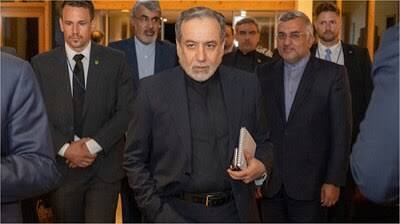
The diplomatic teams, led by US Vice President JD Vance and Iranian Parliament Speaker Mohammad Bagher Ghalibaf, arrived in Switzerland on June 21, 2026, following a 48-hour delay triggered by a localized breakdown of the Lebanese truce. The core mandate of the Swiss summit is to turn a preliminary Memorandum of Understanding (MoU), brokered on June 15, 2026, into a binding, verifiable international treaty.
According to senior diplomatic officials, the principal US objective is securing immediate, unhindered access for International Atomic Energy Agency (IAEA) inspectors to verify the dilution of Tehran's highly enriched uranium stockpiles. In return, the initial framework has already granted Iran substantial economic concessions, including the lifting of the US maritime blockade on Iranian ports and the provisional authorization for Tehran to resume international crude oil sales.
The multi-lateral talks also include high-level mediation partners. Representatives from Qatar and a Pakistani delegation, led by Prime Minister Shehbaz Sharif and Army Chief Field Marshal Asim Munir, arrived on Sunday morning to facilitate the technical sub-channels.
Strait of Hormuz and Lebanon Truce Violations Dominate Early Agenda
Despite the formal focus on nuclear verification, the initial sessions have been heavily overshadowed by immediate tactical violations on the ground. On Saturday, Iran's central military command announced it was re-imposing a total closure on the Strait of Hormuz, citing a "clear breach of commitments" by the US due to ongoing Israeli military actions in southern Lebanon.
The US military quickly disputed Tehran's maritime declaration. Representatives from US Central Command (CENTCOM) confirmed that the international waterway remains open under strict surveillance, noting that more than 15 million barrels of crude oil transited the strait safely over the preceding 48 hours.
The friction is further compounded by the reality that neither Israel nor Hezbollah are direct signatories to the US-Iran framework. While Washington announced a renewed commitment to the Lebanon ceasefire late Friday, localized skirmishes persisted through Saturday, with both Israeli Defense Forces and Hezbollah command units trading public accusations of violating the truce lines.
Impact on Global Markets and Commercial Security
The economic stakes of the Switzerland summit are exceptionally high for global commodities traders, maritime shipping lines, and international energy consumers. The initial signing of the MoU last week had briefly eased global energy anxieties, prompting a stabilization of volatile crude futures. However, the renewed threats to the Strait of Hormuz—the transit bottleneck for approximately one-fifth of global seaborne petroleum—have reintroduced acute market uncertainty.
For commercial shipping carriers, a successful resolution in Bürgenstock is expected to codify clear maritime rules. Under the preliminary terms, merchant vessels are permitted free transit for 60 days, though negotiators must still resolve a controversial proposal by the US administration to penalize or toll subsequent traffic if a final deal fails to materialize.
Official Sources Section
The information, operational developments, and policy frameworks detailed in this report are based on official public records and institutional statements provided by the following entities:
United States Government: Official press briefings from the White House Press Pool and technical statements issued by U.S. Central Command.
Islamic Republic of Iran: Diplomatic briefs published by the Ministry of Foreign Affairs and reported via the state-run Islamic Republic News Agency.
Swiss Federal Authorities: Logistics and mediation updates distributed by the Swiss Federal Department of Foreign Affairs.
International Mediators: Official travel registries and diplomatic notes issued by the Ministry of Foreign Affairs of Pakistan.
Quote Section
Speaking to reporters at Joint Base Andrews prior to his departure for Europe, US Vice President JD Vance outlined the administration's localized perspective on the volatile security landscape:
"Despite the headlines, things are actually slowing down a little bit on the ground, and our team has been actively managing the friction in Lebanon. The fundamental goal of this summit is to make the entire region safe and secure. The big problem right now is the classic chicken-and-egg scenario where one side shoots, the other responds, and it cycles. We have to stop the shooting long enough for the ceasefire to keep a permanent hold, and that is why we are focusing heavily on the nuclear issue and the Lebanon ceasefire during these two days in Switzerland."
Why It Matters
The Switzerland negotiations represent the most significant direct diplomatic engagement between Washington and Tehran in over a decade. A successful resolution could permanently alter the security architecture of West Asia, halt a decade-long nuclear escalation cycle, and secure vital global energy supply corridors. Conversely, a collapse of the 60-day framework risks triggering an immediate return to large-scale regional maritime conflict.
Key Facts at a Glance
Diplomatic Window: Negotiators have exactly 60 days from the signing of the initial June 15 MoU to finalize a permanent nuclear treaty.
Core Mandate: The US seeks comprehensive IAEA inspection access, while Iran demands the permanent lifting of financial sanctions and maritime restrictions.
Strategic Chokepoint: The operational status of the Strait of Hormuz remains a central flashpoint, with CENTCOM heavily monitoring all commercial traffic.
International Mediation: The high-level Swiss talks are actively supported by senior diplomatic and military mediators from Pakistan and Qatar.
FAQ Section
Why are the US and Iran holding talks in Switzerland right now?
The two nations are attempting to finalize the specific technical and verification parameters of an interim peace framework signed on June 15, 2026. The talks aim to establish a permanent solution to Iran's nuclear enrichment program and stabilize regional conflicts.
What is the current operational status of the Strait of Hormuz?
While Iran's central military command announced a closure of the waterway on Saturday due to ceasefire disputes in Lebanon, US Central Command has firmly disputed the claim, stating that the international shipping lane remains open and actively monitored by naval forces.
How does the situation in Lebanon affect the nuclear negotiations?
The interim US-Iran agreement contains clauses requiring a cessation of hostilities on all regional fronts, including Lebanon. Ongoing clashes between Israel and Hezbollah create severe diplomatic friction, nearly disrupting the start of the Swiss summit.
Who is leading the respective delegations at the Bürgenstock resort?
The United States delegation is headed by Vice President JD Vance, alongside special envoys Jared Kushner and Steve Witkoff. The Iranian delegation is led by Parliamentary Speaker Mohammad Bagher Ghalibaf and Foreign Minister Abbas Araghchi.
Source: Official diplomatic logs compiled from the [suspicious link removed], verified field assessments by U.S. Central Command, and official state media transcripts provided by the Islamic Republic News Agency.