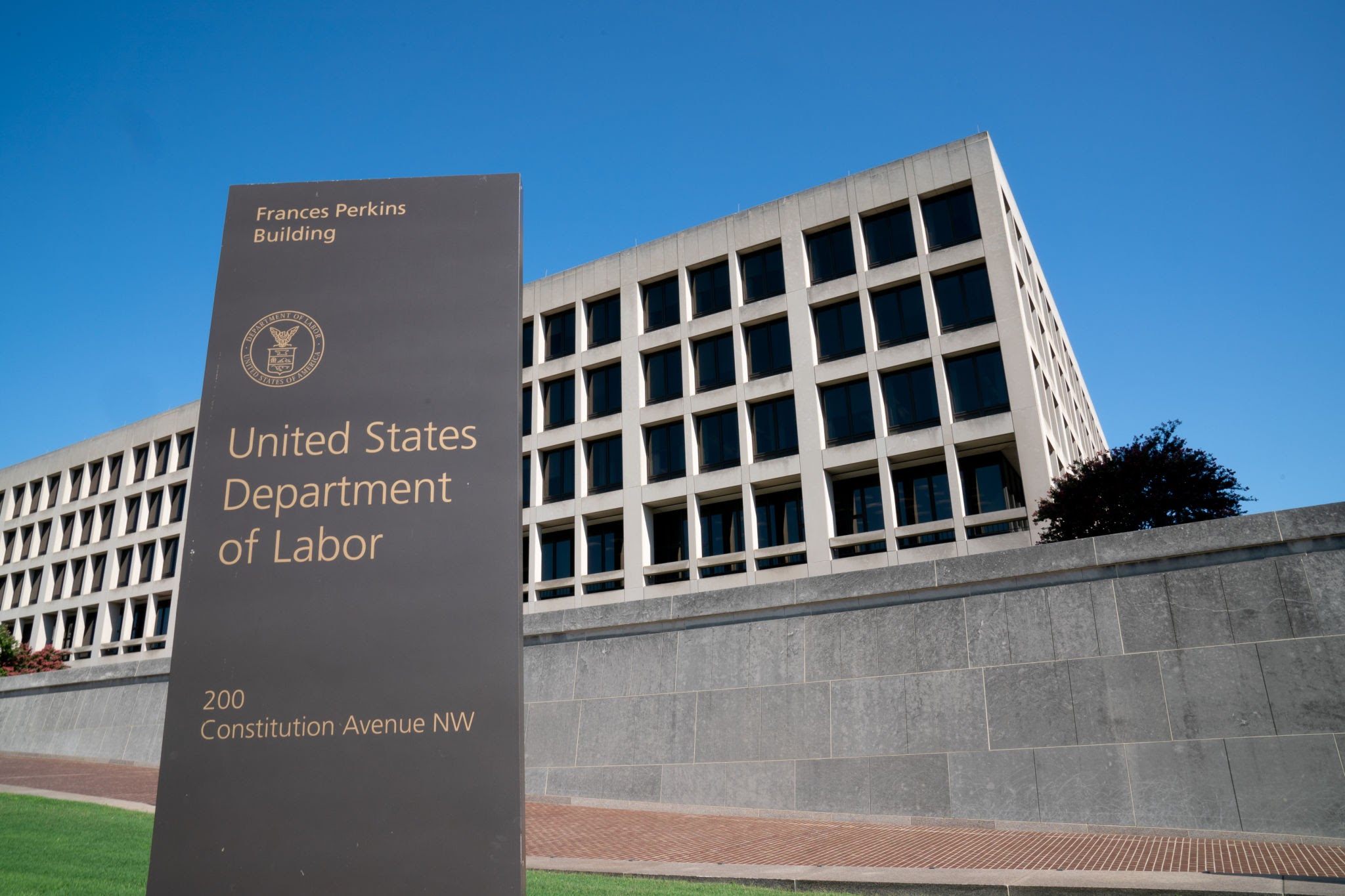
The U.S. Bureau of Labor Statistics reported that the national unemployment rate fell to 4.1% in July, outperforming consensus estimates of 4.2%. Sustained hiring across healthcare and construction supported overall labor stability, providing financial markets and Federal Reserve policymakers with positive signals regarding ongoing economic resilience.
WASHINGTON — The U.S. unemployment rate fell to 4.1% in July, coming in below consensus forecasts of 4.2%, according to official data released Friday by the U.S. Bureau of Labor Statistics (BLS) in Washington. The latest labor market report highlights steady economic conditions across key domestic sectors, reassuring financial markets and central bank policymakers evaluating monetary policy trajectories. The positive employment data provides crucial insights into corporate hiring trends, consumer spending capacity, and overall national macroeconomic health heading into the second half of the year.
Labor Market Trends and Job Growth Overview
The lower-than-anticipated US July unemployment rate reflects ongoing resilience in domestic payrolls despite elevated interest rates and tight corporate borrowing conditions. According to the Bureau of Labor Statistics, employment gains were primarily driven by continued expansion in healthcare, social assistance, construction, and government services.
Economists polled prior to the release had anticipated the national jobless rate to hold steady at 4.2%. The 4.1% reading demonstrates that labor demand remains balanced relative to workforce supply, avoiding sharp contractions in employment while keeping wage pressures relatively moderate.
Wage Growth and Labor Force Participation
Average hourly earnings for all employees on private nonfarm payrolls maintained a steady pace of expansion, aligning with expectations for gradual inflation deceleration. The labor force participation rate stayed stable, signaling that working-age Americans continue to actively seek and retain employment across diverse economic sectors.
Data from the Department of Labor indicates that long-term unemployment metrics and total jobless claims remained within historically low ranges, supporting sustained consumer purchasing power. Economists note that stable wage growth alongside low unemployment reduces the risk of stagflation while supporting steady household consumption.
Federal Reserve Policy and Market Reactions
The release of the July employment figures carries direct implications for the Federal Reserve’s Federal Open Market Committee (FOMC) as central bankers evaluate future interest rate decisions. A stable 4.1% unemployment rate provides central bank officials with operational flexibility, reducing immediate pressure for drastic monetary intervention while inflation continues its trajectory toward target levels.
Following the release of the labor report, major U.S. stock indices and treasury yields reacted constructively as market participants calibrated rate expectations. Institutional investors and corporate treasurers view a stable job market as a positive indicator for corporate revenue growth and consumer credit quality.
Economic Impact on Businesses, Consumers, and Investors
The latest employment figures carry broad economic implications across multiple stakeholder groups:
Consumers and Households: Low unemployment offers continued job security, supporting steady wage income and household debt service capability.
Businesses and Employers: A competitive labor market encourages corporate investment in workforce retention, automation, and productivity enhancements.
Investors and Markets: Equity and fixed-income markets gain improved visibility into macroeconomic stability, reducing volatility linked to recession fears.
Official Sources Section
According to official announcements released by the U.S. Bureau of Labor Statistics (BLS) and the U.S. Department of Labor, the monthly Employment Situation summary is compiled from the Current Population Survey (CPS) and the Current Employment Statistics (CES) survey. Official government disclosures confirm that the national unemployment rate stands at 4.1% for the July reporting period.
Quote Section
"According to officials, the latest employment data indicates sustained labor market stability, with job gains across key service and industrial sectors supporting broader economic performance," government statements indicated.
Why It Matters
The national unemployment rate serves as one of the primary indicators of macroeconomic health in the United States. A reading of 4.1%—beating consensus expectations—indicates that the U.S. economy continues to expand at a sustainable pace, mitigating immediate concerns of a sharp downturn and providing a stable environment for commercial investment and consumer spending.
Key Facts at a Glance
July Unemployment Rate: Stood at 4.1%, beating the consensus estimate of 4.2%.
Primary Growth Sectors: Job additions were led by healthcare, social assistance, and construction.
Reporting Authority: Official data published by the U.S. Bureau of Labor Statistics (BLS).
Market Impact: Reinforces expectations of economic stability and steady Federal Reserve monetary policy.
Frequently Asked Questions
What was the US July unemployment rate?
The US July unemployment rate was recorded at 4.1%, beating Wall Street consensus expectations of 4.2%.
Which agency reports the U.S. employment figures?
The U.S. Bureau of Labor Statistics (BLS), an agency under the U.S. Department of Labor, releases monthly employment data.
Why did the July unemployment rate beat consensus estimates?
Steady hiring in healthcare, social assistance, and construction sectors helped keep overall jobless rates lower than anticipated.
How does the unemployment rate impact Federal Reserve decisions?
The Federal Reserve monitors employment metrics alongside inflation to balance its dual mandate of maximum employment and price stability when setting benchmark interest rates.
Where can public economic disclosures be verified?
Official monthly employment reports are published directly on the U.S. Bureau of Labor Statistics website (bls.gov).
Source: U.S. Bureau of Labor Statistics (BLS), U.S. Department of Labor, Federal Reserve Economic Data (FRED).