The U.S. has expanded its air deployments in the Middle East, citing the need for increased deterrence against regional threats. Following sharp warnings from political leaders regarding Iran, the Pentagon is reinforcing its strategic presence, raising concerns about potential impacts on global energy markets, travel safety, and regional geopolitical stability.
WASHINGTON — The United States has initiated a significant expansion of its air deployment capabilities across the Middle East, a move the Department of Defense characterizes as a proactive step to bolster regional stability. The escalation coincides with heightened rhetoric from political leadership, including former President Donald Trump, who has issued warnings regarding potential military responses to aggression from Iranian-backed forces.
The additional deployments involve advanced fighter squadrons and strategic aerial support assets, which have been repositioned to key strategic bases throughout the region. This buildup occurs amid a period of extreme volatility, marked by concerns over maritime security, regional proxy conflicts, and the integrity of critical energy transit corridors.
Expanding Air Deployments and Strategic Posture
According to military analysts, the current buildup is designed to deter regional adversaries and provide the U.S. Central Command (CENTCOM) with increased operational flexibility. The enhanced presence includes state-of-the-art aircraft capable of multi-role missions, reflecting a strategic pivot toward maintaining dominance in contested airspace.
The Pentagon has not detailed the exact number of incoming personnel or aircraft, citing operational security; however, officials confirmed that the decision was made to ensure the safety of American service members and international partners. The reinforcements are intended to provide rapid response capabilities against potential missile threats, drone incursions, or targeted maritime provocations that have plagued the region in recent months.
Political Rhetoric and Diplomatic Stakes
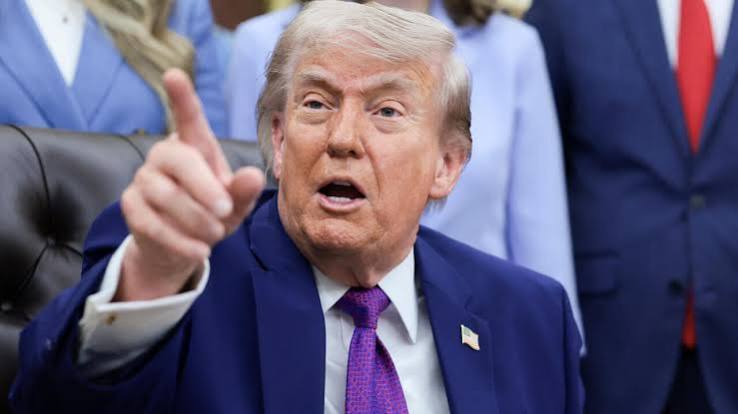
The regional instability has become a focal point of intense political discussion. Former President Donald Trump, in comments regarding the situation, warned that any hostile actions against U.S. interests or regional allies would be met with an overwhelming military response. These statements have intensified the diplomatic focus on the Middle East, with global leaders monitoring how these signals influence the risk calculation of regional actors.
The intersection of military posturing and political warnings has created a complex environment for international diplomats. While the U.S. maintains that its presence is defensive in nature, regional observers note that the buildup, paired with high-stakes warnings, significantly compresses the window for de-escalation efforts.
Impact on Energy, Markets, and Travel
The increased military activity and associated warnings have triggered palpable concern within global markets. As the Middle East remains central to the global supply of crude oil, investors are bracing for potential disruptions to energy production and transit. Commodity markets have already exhibited volatility, with oil prices reacting sharply to reports of increased military mobilization.
For the airline industry and international travelers, the heightened tensions have prompted concerns regarding the safety of flight corridors in the region. Several commercial carriers have begun evaluating alternative flight paths to avoid restricted zones, adding time and operational costs to regional air travel. Businesses operating in the region are likewise intensifying their risk mitigation protocols to prepare for a range of contingencies, including possible shifts in the security landscape.
Official Sources Section
The information provided herein regarding military movements and security posture is based on official statements from the U.S. Department of Defense (Pentagon), press releases from U.S. Central Command (CENTCOM), and official government briefings.
Quote Section
According to officials at the Pentagon:
"The repositioning of these assets is a prudent measure to ensure our forces are prepared for a variety of scenarios. Our commitment to regional stability and the defense of our partners remains steadfast."
Why It Matters
The rapid buildup of U.S. air capabilities serves as a primary indicator of the deteriorating security situation in the Middle East. For businesses and citizens, the presence of increased military assets highlights the risks to regional stability, potential impacts on global trade routes, and the precarious balance of power as international tensions continue to escalate.
Key Facts at a Glance
Expanded Presence: U.S. Central Command has increased air assets across key Middle Eastern bases.
Operational Objective: Strengthening deterrence against threats to U.S. service members and regional allies.
Market Volatility: Energy markets are responding to the buildup with increased pricing sensitivity.
Security Focus: Enhanced monitoring and patrol of maritime chokepoints and flight corridors.
FAQ Section
Why is the U.S. increasing its military footprint in the Middle East?
The Pentagon states that the increase in air deployments is a defensive measure to bolster regional stability and ensure the readiness of U.S. forces against escalating regional threats.
How do these deployments affect regional transit?
The increased military presence and heightened security environment have led to adjustments in flight paths and shipping lanes as a precautionary measure to ensure safety.
Are there immediate risks to global energy supplies?
Markets are sensitive to the regional situation, and any escalation could lead to significant disruptions in energy production or transit, prompting price volatility.
How have international partners reacted?
The U.S. is maintaining close coordination with regional allies to ensure a unified approach to the security threats currently facing the Middle East.
Source: U.S. Department of Defense, U.S. Central Command, Reuters News