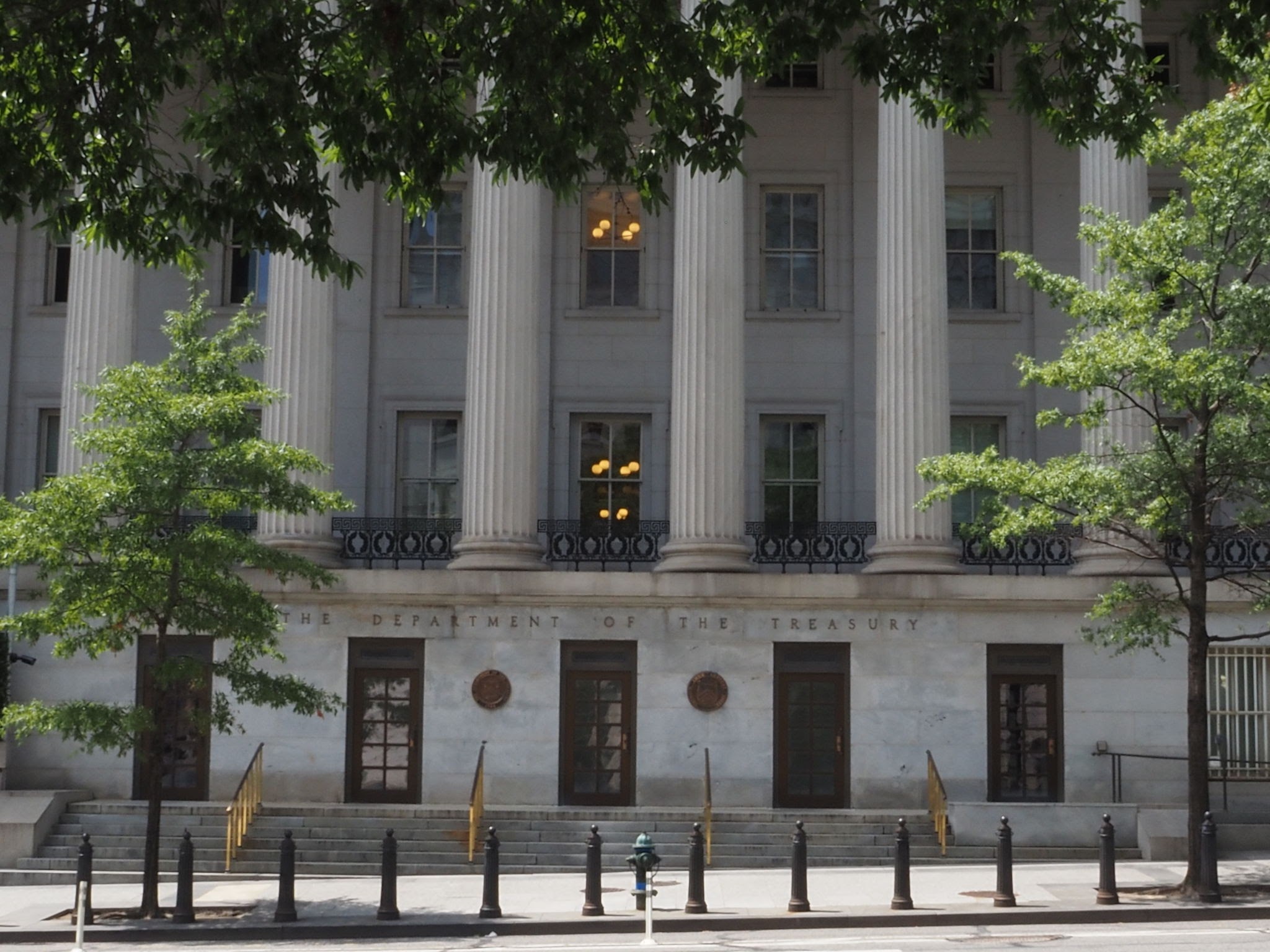
The U.S. Department of the Treasury's Office of Foreign Assets Control (OFAC) has removed sanctions from three IRGC-linked entities. Published on the official Treasury website, the administrative delisting follows verified status changes. While unblocking assets for these specific firms, broader U.S. economic sanctions against Iranian networks remain active.
WASHINGTON — The United States Department of the Treasury's Office of Foreign Assets Control (OFAC) has removed sanctions from three corporate entities linked to Iran's Islamic Revolutionary Guard Corps (IRGC). The administrative update, published on the Treasury Department's official website, removes the designated firms from the Specially Designated Nationals (SDN) list following verified status changes. The development comes as federal enforcement agencies continue to maintain comprehensive economic pressure on foreign financial networks, illicit energy shipments, and regional proxy financing channels across the Middle East.
Administrative Action and Regulatory Framework
The update published by the U.S. Treasury's Office of Foreign Assets Control (OFAC) details the official removal of three commercial entities previously designated under counter-terrorism and non-proliferation Executive Orders. Under federal administrative procedures, sanctions delistings occur when designated parties demonstrate a verified change in behavior, ownership, operational status, or corporate dissolution.
When entities are removed from the SDN list, all property and interests in property that were blocked under U.S. jurisdiction are unblocked, and U.S. persons are no longer prohibited from engaging in financial transactions with them. However, Treasury officials emphasize that delistings are administrative outcomes based on strict statutory criteria rather than broader shifts in foreign policy.
| Transaction Parameter | Administrative Specification |
| Enforcing Agency | U.S. Department of the Treasury (OFAC) |
| Action Type | SDN List Removal / Sanctions Delisting |
| Target Entities | Three IRGC-Linked Corporate Entities |
| Primary Authority | Executive Orders on Counter-Terrorism & Non-Proliferation |
| Legal Effect | Unblocking of Assets & Removal of Transaction Restrictions |
Strategic Context and Broader Sanctions Landscape
While the delisting modifies the status of three specific firms, the broader U.S. sanctions framework against Iran and the IRGC remains fully operational. The U.S. government maintains stringent controls targeting Iran's shadow fleet of crude oil tankers, front companies, general sales agents, and financial intermediaries funding regional proxy networks.
The Treasury Department regularly adjusts its designated lists through both additions and removals to ensure sanctions target active threat vectors while providing clear legal pathways for compliance. Legal experts note that routine delistings demonstrate the petition process established under U.S. federal regulations, providing sanctioned parties an avenue to seek relief if they sever ties with designated organizations.
Economic Impact and Market Compliance Implications
The removal of sanctions from these entities provides regulatory clarity for international financial institutions, global maritime shipping firms, and compliance officers monitoring trade restrictions. Multinationals operating under strict sanctions compliance protocols rely on real-time OFAC list updates to adjust automated screening software and avoid secondary sanctions penalties.
For global supply chains, clear delisting notices prevent unnecessary de-risking where non-sanctioned commerce might otherwise be disrupted. However, financial institutions maintain heightened due diligence requirements for all transactions touching the Middle East to guard against indirect exposure to remaining IRGC-linked networks.
Official Sources Section
The official details regarding the sanctions modifications were confirmed through U.S. government portals:
U.S. Department of the Treasury official news announcements and press releases.
Office of Foreign Assets Control (OFAC) Recent Actions database and Specially Designated Nationals (SDN) updates.
U.S. Department of State official diplomatic press updates.
Official Statements and Commentary
"According to officials in Treasury regulatory notices, the Department of the Treasury's Office of Foreign Assets Control regularly updates the Specially Designated Nationals list to reflect changes in ownership, operational status, or verified compliance with statutory requirements."
Department officials affirmed that sanctions removals demonstrate the U.S. government's commitment to maintaining a credible sanctions regime where entities that sever ties with designated organizations can obtain administrative relief.
Why It Matters
The removal of sanctions from the three IRGC-linked entities carries several practical implications:
For Global Compliance Officers: Updates screening databases, allowing financial institutions to adjust automated risk filters and prevent false-positive trade blockages.
For International Business & Maritime Trade: Reaffirms the formal petition mechanism for delisting, establishing transparent legal parameters for corporate compliance.
For Foreign Policy & Market Observers: Illustrates the precise, administrative nature of OFAC enforcement alongside broader economic pressure measures.
Key Facts at a Glance
Official Action: The U.S. Treasury's OFAC removed sanctions from three IRGC-linked entities.
Regulatory Basis: The delisting follows verified changes in corporate status or compliance criteria.
Legal Result: Unblocks restricted assets and permits transactions previously prohibited under U.S. jurisdiction.
Enforcement Policy: Broader U.S. economic sanctions against the IRGC and illicit shipping networks remain active.
Frequently Asked Questions
Why did the US Treasury remove sanctions from these three IRGC-linked entities?
According to official administrative guidelines, OFAC removes entities from sanctions lists when there is a verified change in ownership, operational status, or when the parties demonstrate compliance by severing prohibited ties.
Does this delisting mean broader US sanctions on Iran are being lifted?
No. The administrative delisting applies specifically to the three designated entities. Comprehensive U.S. economic sanctions against Iran, the IRGC, and its shadow fleet remain in full effect.
How do financial institutions track these sanctions updates?
Global financial institutions monitor official updates published on the U.S. Treasury OFAC Recent Actions portal to update automated screening databases in real time.
What happens to an entity's assets when sanctions are removed?
Once an entity is officially removed from the SDN list, its property and interests in property within U.S. jurisdiction are unblocked, and authorized commercial activities may resume.
Source: U.S. Department of the Treasury, Office of Foreign Assets Control (OFAC) Recent Actions, U.S. Department of State Official Announcements.