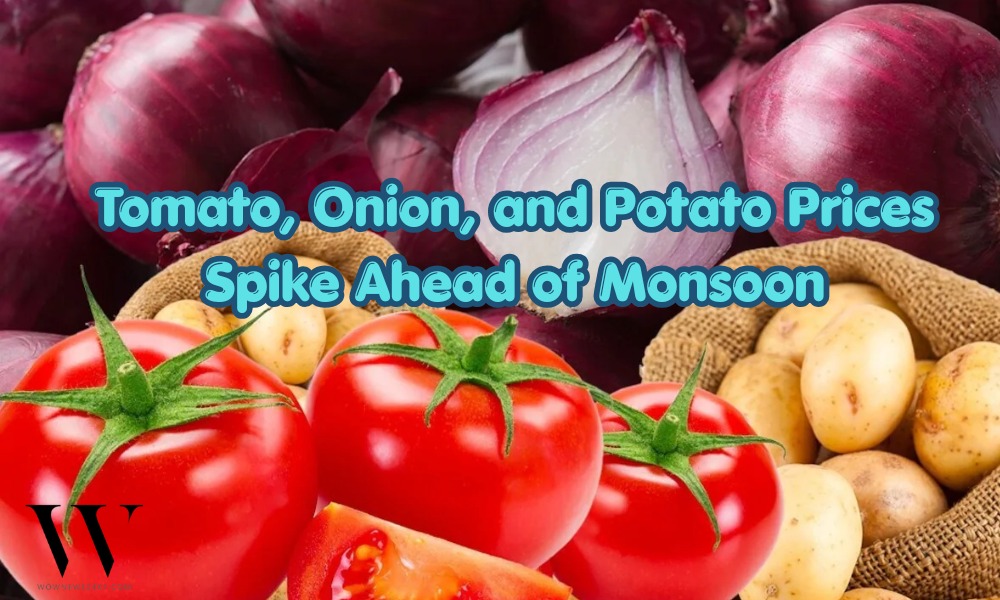
Vegetable prices in India, particularly for tomatoes, onions, and potatoes, have surged in late June 2026 due to weather-related supply constraints and higher transport costs. With heatwaves impacting production and the monsoon season underway, retail prices are expected to remain elevated until supply chains stabilize in the coming months.
NEW DELHI — Households across India are facing a sharp increase in the cost of essential vegetables, with retail prices for tomatoes, potatoes, and onions witnessing significant hikes as the country enters the critical monsoon transition period. According to data from the Price Monitoring Division of the Department of Consumer Affairs, this trend has intensified over the past several weeks, putting pressure on consumer budgets nationwide.
The surge, which has seen tomato prices in some markets climb by over 20% compared to last month, is being driven by a combination of extreme weather conditions, reduced yields from key producing states, and increased logistical costs.
Weather Disruptions and Supply Gaps
The primary catalyst for the current price volatility is the impact of severe heatwaves followed by erratic pre-monsoon rainfall in major agricultural hubs. Regions such as Maharashtra, Uttar Pradesh, and Karnataka—critical suppliers of these kitchen staples—have faced production losses that have tightened market arrivals.
"The combination of deficient rainfall and prolonged heat has reduced output, keeping supplies tight and prices elevated," according to industry analysts. Experts from Crisil Intelligence have warned that consumers may need to prepare for continued price pressure through August, as the lean summer sowing period gives way to the monsoon, which can further disrupt supply chains and harvesting cycles.
Logistics and Operational Pressures
Beyond production issues, the rising cost of transportation is playing a compounding role. Traders in major markets like Madurai and Delhi have reported that recent fuel price adjustments have cascaded through the supply chain. With vegetables being transported across state lines from hubs like Nashik and Agra, the increased logistics expenditure—estimated at a 5% rise in transportation costs—is being passed on to the retail consumer.
"Any increase in fuel prices will have a cascading impact on vegetable prices as transportation costs form a major component in the supply chain," stated representatives from local market trader associations. For example, a heavy vehicle transporting produce from northern states now attracts an additional cost of nearly ₹5,000 per trip, directly influencing the shelf price in retail mandis.
Why It Matters
For the average citizen, the rise in food inflation is a direct hit to household purchasing power. As food and beverages carry a significant weight of approximately 45.86% in India’s Consumer Price Index (CPI), these price spikes contribute to persistent retail inflation. While government officials have maintained that ensuring price stability is a "top priority," the current situation highlights the vulnerability of India’s food supply chain to climate-induced shocks.
Key Facts at a Glance
Price Increases: Retail prices for tomatoes have surged significantly across most states, with Delhi and other major urban centers recording sharp month-on-month hikes.
Weather Impact: Heatwaves in key growing regions have reduced yields, while experts warn that erratic monsoon rains may continue to disrupt harvesting.
Logistical Costs: Rising fuel prices have increased transportation expenses, adding a premium of ₹2 to ₹10 per kilogram to food grain and vegetable retail prices.
Outlook: Market analysts expect vegetable prices to remain firm through August until fresh crop arrivals normalize following the monsoon.
FAQ: Frequently Asked Questions
Why are tomato prices rising so sharply?
Tomato prices are highly sensitive to weather; extreme heat and erratic pre-monsoon rainfall in major growing regions like Maharashtra and Karnataka have disrupted production cycles, leading to supply shortages.
Will prices decrease soon?
Experts suggest that prices are likely to remain elevated until fresh arrivals resume after the monsoon, potentially lasting through August.
What role do transportation costs play?
Higher fuel prices increase logistics costs, which are passed on to consumers. Transportation accounts for a significant portion of the retail price, especially when produce must be shipped across state lines.
Is the government taking action?
The Union government monitors prices via the Department of Consumer Affairs and manages buffer stocks of essential items to help stabilize market supplies during lean periods.
Source: Department of Consumer Affairs (Price Monitoring Division), Crisil Intelligence Reports, Unified Portal for Agricultural Statistics (UPAg), Agmarknet