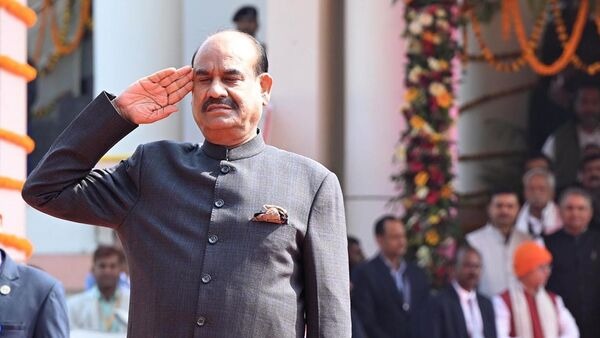
Lok Sabha Speaker Om Birla celebrated the International Day of Parliamentarism on June 30, 2026, highlighting the parliament's critical role in democracy. Marking the 137th anniversary of the Inter-Parliamentary Union, the event underscores the importance of legislative transparency, accountability, and the protection of human rights in modern governance.
NEW DELHI — On the occasion of the International Day of Parliamentarism, observed globally on June 30, Lok Sabha Speaker Om Birla reaffirmed the significance of parliamentary institutions in upholding democracy, accountability, and the collective voice of the people.
Speaking to the importance of the event, which marks the anniversary of the founding of the Inter-Parliamentary Union (IPU) in 1889, Birla described the parliament as the "supreme expression" of a nation's aspirations, rights, and trust. The commemoration serves as a global reminder of the necessity of representative governance in an era where democratic institutions face complex challenges.
Strengthening Democratic Foundations
The International Day of Parliamentarism—also widely known as World Parliament Day—was established by a United Nations General Assembly resolution in 2018. The day is designed to encourage nations to review the effectiveness of their parliamentary systems, promote inclusive decision-making, and ensure that legislatures remain transparent and accountable.
In his address, Speaker Birla highlighted that the role of a modern parliament extends far beyond traditional lawmaking. "In today's era, the role of Parliament is not confined merely to legislative functions; it also bears the vital responsibility of ensuring governmental accountability and encouraging meaningful deliberations on issues of public concern," Birla stated. He emphasized that in a diverse nation like India, the legislature acts as a platform for national unity, social harmony, and the protection of constitutional values.
Addressing Global Challenges
The 2026 observance of World Parliament Day focuses on the theme of bringing human rights into greater focus within legislative agendas. According to the Inter-Parliamentary Union, the current global climate—marked by shifting political landscapes and fluctuating public trust—requires that parliaments remain robust, independent, and representative of all segments of society, including youth and women.
Birla noted that the day provides a critical opportunity for "introspection," calling on elected representatives to strengthen the "soul of democracy," which he defined as dialogue, consensus, responsibility, and constitutional decorum.
Why It Matters
For citizens, the functioning of parliament directly impacts the quality of laws, the protection of fundamental rights, and the level of government accountability. A strong, transparent parliament ensures that local and national grievances are heard and addressed through debate rather than conflict. For investors and international observers, a stable and effectively functioning legislature is a key indicator of a nation's commitment to the rule of law and political stability.
Key Facts at a Glance
Global Observance: World Parliament Day is held annually on June 30 to mark the 1889 founding of the Inter-Parliamentary Union.
UN Recognition: The day was formally designated by the United Nations in 2018 to highlight the central role of parliaments in national development.
Legislative Core: The 2026 theme emphasizes the integration of human rights into parliamentary oversight and decision-making.
Institutional Role: Parliaments serve as the primary venues for debate, policy formulation, and ensuring government accountability.
Frequently Asked Questions (FAQ)
What is the International Day of Parliamentarism?
It is a global observance held on June 30 that celebrates the role of parliaments in democratic societies and commemorates the founding of the Inter-Parliamentary Union.
Why is this day significant in 2026?
As global democracies face challenges such as misinformation and shifting political trust, the day serves as a call for parliaments to modernize, improve transparency, and prioritize human rights.
What is the Inter-Parliamentary Union (IPU)?
The IPU is the international organization of parliaments, founded in 1889, which facilitates parliamentary diplomacy and fosters democratic cooperation among nations.
How does the parliament protect citizens' rights?
Through legislative action, committee oversight, and the requirement for government transparency, parliaments ensure that laws align with constitutional protections and that officials remain accountable to the public.
Source: Lok Sabha Speaker Official Social Media/ANI, Inter-Parliamentary Union