Vietnam's Phu Quoc island is attracting a surge of Indian tourists, driven by a 30-day visa exemption, six-hour flight connectivity, and budget-friendly living costs. Offering affordable accommodations, white-sand beaches, and major theme parks, the destination provides a competitive alternative to traditional tropical resorts across Southeast Asia.
PHU QUOC, Vietnam — Vietnam's southern resort island of Phu Quoc is experiencing a surge in international arrivals from India, driven by a 30-day visa-free entry policy, affordable local hospitality rates, and expanding direct flight connectivity. Located approximately six flight hours from major Indian metropolitan centers, the island has emerged as a competitive alternative to traditional tropical destinations like the Maldives, Thailand, and Bali. The influx of Indian holidaymakers reflects shifting travel economics across South and Southeast Asia, where middle-class outbound tourism is increasingly gravitating toward destinations offering streamlined visa formalities and favorable currency dynamics.
Visa Waiver Framework and Border Access Regulations
Under statutory entry regulations administered by the Vietnamese government, foreign passport holders—including Indian citizens—are granted a 30-day visa exemption when entering Phu Quoc directly by international flight or cruise vessel. The Special Administrative-Economic Zone framework eliminates the standard e-visa application fee and processing wait times for international travelers who remain exclusively on the island.
To qualify for the 30-day visa waiver, travelers must hold a passport with at least six months of remaining validity and present confirmed proof of onward or return travel within the 30-day period. The policy applies exclusively to Phu Quoc International Airport (PQC) and seaport terminals; visitors continuing their journey into mainland Vietnam (such as Hanoi, Da Nang, or Ho Chi Minh City) are required to obtain a standard 90-day electronic visa.
Low-Cost Infrastructure and Tourist Spending Dynamics
Phu Quoc's growing popularity among budget-conscious and family travelers from India is supported by competitive hospitality pricing and low daily operating expenses across the island's tourist hubs:
Accommodation: Mid-scale guesthouses and three-star hotels in areas like Duong Dong and Grand World maintain room rates starting around 300,000 Vietnamese Dong (~Rs 1,000) per night.
Local Transportation: Self-drive scooter rentals average 100,000 to 150,000 VND (~Rs 350 to Rs 500) per day, while ride-hailing and localized electric shuttles provide low-cost transit across coastal routes.
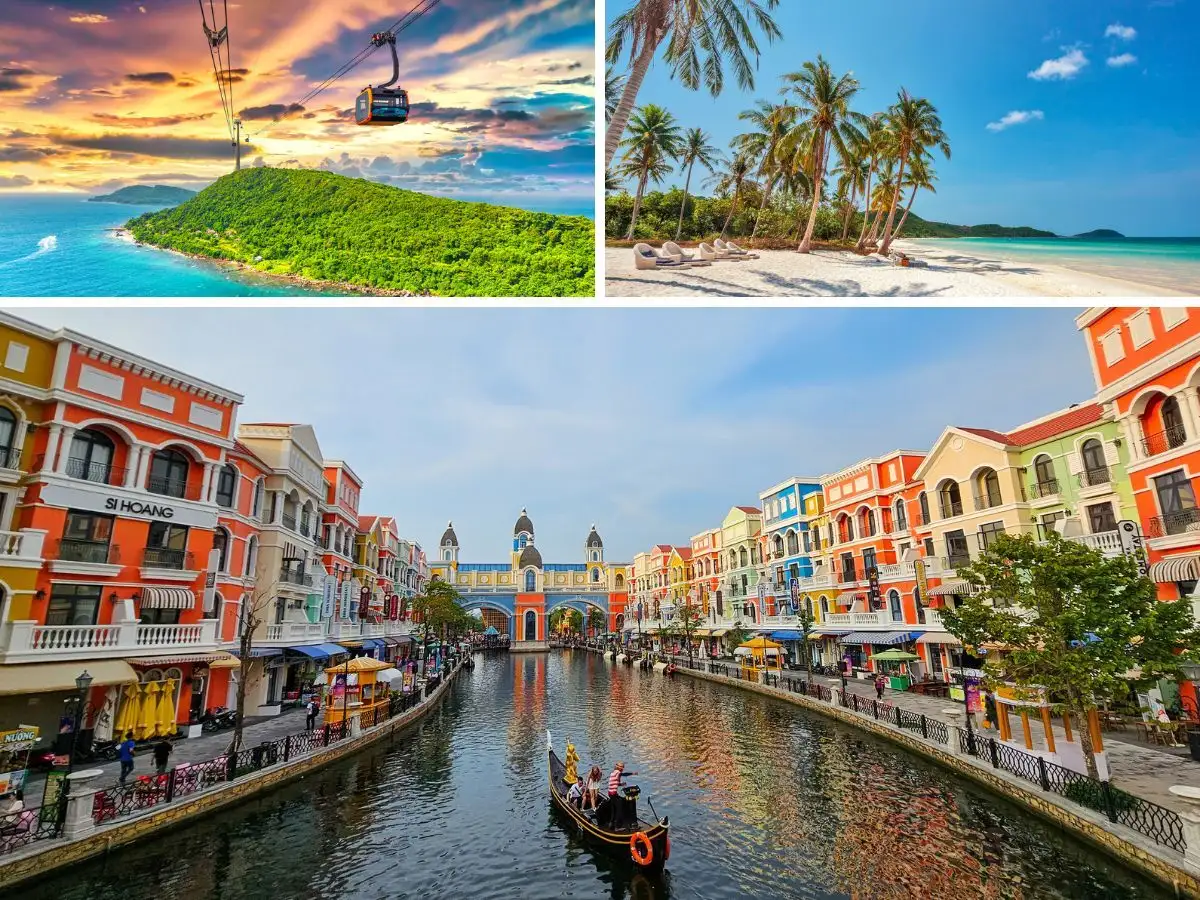
Integrated Attractions: The island features large-scale entertainment infrastructure, including the VinWonders amusement complex, Vinpearl Safari, European-style architecture at Grand World, and the Hon Thom three-wire sea-crossing cable car.
Aviation Expansion and Outbound Tourism Growth
Direct and single-stop transit routes operated by regional carriers such as VietJet Air, Vietnam Airlines, and connecting hubs in Southeast Asia have brought Phu Quoc within a five-to-six-hour travel radius of cities like New Delhi, Mumbai, and Bengaluru.
The rise in flight capacity coincides with rapid outbound tourism growth from India, where travelers are seeking beach vacations with simpler visa entry procedures. Industry analysts note that Phu Quoc’s direct visa exemption offers significant cost and time savings over traditional island getaways, allowing regional operators to capture market share from established resort destinations across Southeast Asia.
Official Sources
Border control provisions, entry exemptions, and regulatory guidelines for Phu Quoc are governed under official directives issued by the Vietnam National Authority of Tourism and the Immigration Department of Vietnam. Aviation and consular advisories are maintained in coordination with the Ministry of External Affairs of India and the Embassy of Vietnam in India.
Quote Section
"According to tourism and immigration officials, Phu Quoc's 30-day visa waiver policy was designed to establish the island as an open international tourism hub, and the rising influx of Indian travelers highlights the success of targeted entry reforms and expanding air connectivity."
Why It Matters
Phu Quoc’s visa-free policy provides Indian travelers with an affordable, short-haul island vacation without consular visa procedures. For airlines, hospitality developers, and tourism operators, the island's emergence as an international hub demonstrates how regulatory visa incentives can rapidly reorient regional tourism flows.
Key Facts at a Glance
Visa Exemption: 30-day visa-free entry for foreign tourists entering Phu Quoc directly.
Flight Time: Approximately 5 to 6 hours from major Indian metropolitan airports.
Budget Metrics: 3-star hotel rooms starting at ~Rs 1,000/night; scooter rentals from ~Rs 350–500/day.
Location: Kien Giang Province, Gulf of Thailand, Southwest Vietnam.
Key Attractions: VinWonders theme park, Vinpearl Safari, Sao Beach, and Hon Thom Cable Car.
Frequently Asked Questions (FAQ)
Do Indian citizens need a visa to visit Phu Quoc?
No. Indian passport holders can enter Phu Quoc visa-free for up to 30 days, provided they arrive directly via an international flight or cruise ship and do not enter mainland Vietnam without an e-visa.
What documents are required for the 30-day visa exemption?
Travelers must present a passport valid for at least six months from arrival, a confirmed return or onward ticket departing within 30 days, and proof of accommodation.
Can tourists visit Hanoi or Ho Chi Minh City on the Phu Quoc visa waiver?
No. The visa waiver is valid strictly within Phu Quoc Island. Traveling to mainland Vietnamese cities requires a standard Vietnam electronic visa (e-visa).
What makes Phu Quoc an attractive travel destination from India?
Phu Quoc combines a 30-day visa waiver, budget-friendly accommodation and transport, white sand beaches, and major family attractions like theme parks and safaris within a six-hour flight radius.
Source: Vietnam National Authority of Tourism, Immigration Department of Vietnam, Ministry of External Affairs of India, Embassy of Vietnam in India.