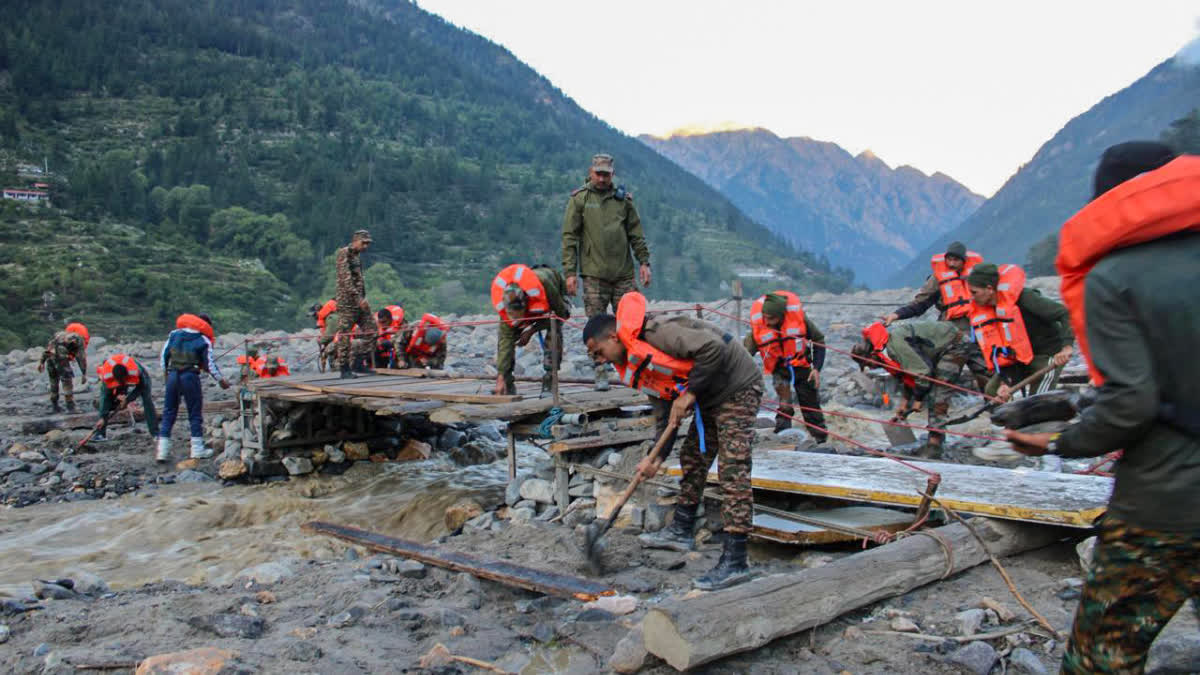
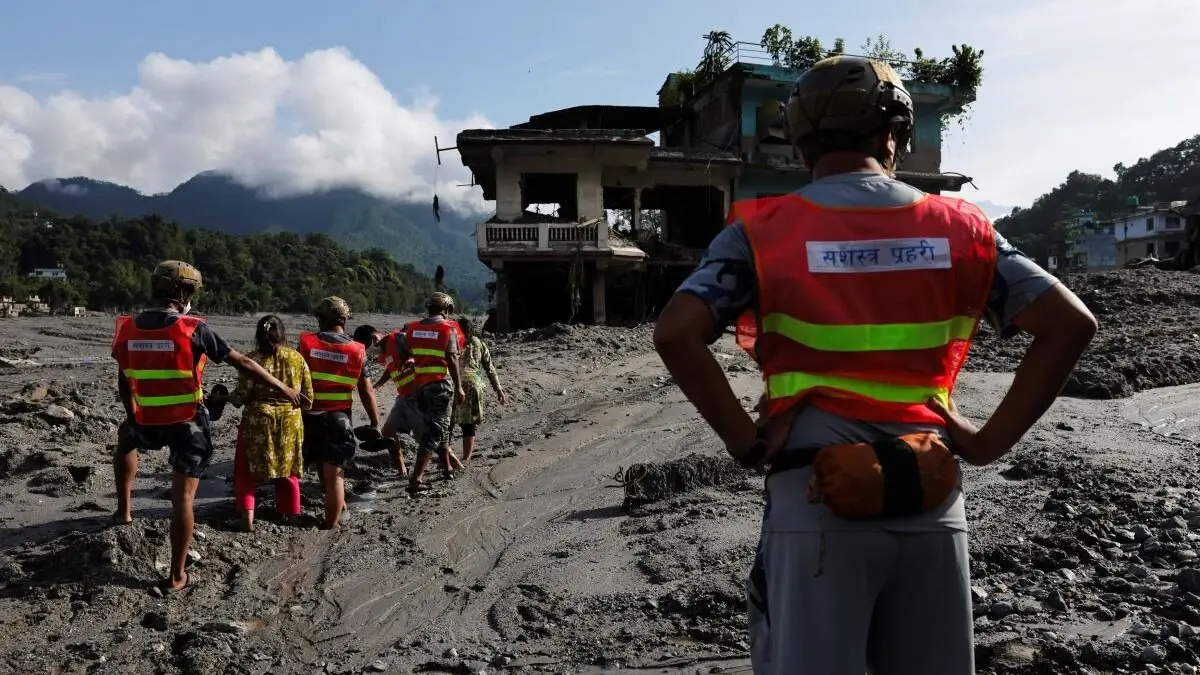
A World Health Organization official confirmed that six health facilities were damaged and eight healthcare workers remain missing following devastating Himalayan flash floods along the Nepal-China border. The destruction has crippled local clinical triage, prompting international deployment of emergency medical kits and mobile purification systems to prevent disease outbreaks.
GENEVA / KATHMANDU — At least six health facilities have been damaged or destroyed and eight healthcare workers remain missing following the devastating Himalayan flood disaster that swept across northern Nepal and the southern Tibetan border region, a World Health Organization (WHO) official confirmed on Friday. The emergency assessment comes as rescue teams struggle to deliver essential trauma supplies, clean water, and emergency medical personnel to cut-off districts where hundreds of injured survivors require urgent medical attention. The health agency's disclosure is critical today as the destruction of local medical infrastructure severely impedes frontline triage operations, raising the immediate threat of secondary waterborne disease outbreaks among tens of thousands of displaced residents.
Destruction of Medical Infrastructure and Missing Personnel
According to field situational reports compiled by the World Health Organization in coordination with Nepal’s Ministry of Health and Population, the flash torrents and debris flows heavily compromised primary health centers, community birthing facilities, and rural medicine dispensaries across Rasuwa and Nuwakot districts.
Among the affected infrastructure:
Primary Health Centers: Two multi-bed community health facilities in Syabrubesi and bordering river corridors were partially submerged or structurally undermined by silt and boulder runoffs.
Rural Health Posts: Four local health posts and maternal health clinics suffered complete structural washouts, resulting in the loss of cold-chain vaccine storage, surgical inventory, and emergency medicines.
Missing Medical Personnel: Eight healthcare workers, including community nurses, paramedics, and local clinic support staff stationed in riverside clinics near the border crossing, remain unaccounted for after rapid floodwaters engulfed their residential quarters and clinic facilities.
The loss of local clinical facilities forces emergency responders to rely entirely on deployable military field tents and rotary-wing airlifts to transport critically injured patients to tertiary hospitals in Kathmandu.
Escalating Public Health Threats and Emergency Mobilization
The World Health Organization warned that the destruction of sanitation systems, municipal water pipelines, and local clinic outposts in the Himalayan flood zone significantly elevates epidemiological risks. With thousands of families taking shelter in overcrowded makeshift community centers, the agency identified diarrheal infections, acute respiratory ailments, cholera, and vector-borne diseases as immediate threats.
In response, the WHO is deploying Inter-Agency Emergency Health Kits (IEHK), mobile water testing and purification units, and post-exposure prophylaxis medicines to frontline medical barracks in Trishuli and Bidur. Specialized epidemiological surveillance teams have also been deployed alongside Nepali military medical divisions to detect early clusters of infectious illness across flood evacuation camps.
Disaster Context and Regional Toll
The current health crisis is the direct aftermath of a massive glacial collapse and ice-rock avalanche that plunged into the high-altitude Lhende river catchment on Wednesday morning. The collapse released an estimated wall of liquefied debris down the Bhotekoshi and Trishuli river corridors, triggering destructive flash surges across more than 200 kilometers of downstream territory.
The trans-Himalayan disaster has resulted in over 400 confirmed fatalities and left more than 900 individuals missing across Nepal and Tibet. The catastrophic torrent swept away 32 bridges, major highway links, hydropower projects, and civil administration centers, leaving entire mountain valleys completely severed from regular road-based medical supply chains.
Impact on Citizens, Healthcare Delivery, and Relief Logistics
The disruption to healthcare delivery caused by the Himalayan flood carries direct consequences for survivors and humanitarian teams:
Triage Constraints: Rural patients suffering from severe crush injuries, fractures, and trauma face delays in surgical intervention due to damaged local clinic operating rooms.
Routine Care Suspension: Maternal delivery services, chronic disease medication distribution, and child immunization schedules have been suspended across affected rural municipalities.
Air-Medevac Reliance: Because arterial roads are blocked by landslides, military and civilian helicopters remain the only viable method to evacuate high-risk patients and deliver blood plasma and emergency trauma kits.
Official Sources Section
This report is compiled using verified situation updates, emergency health assessments, and casualty bulletins released by:
Quote Section
"According to officials from the World Health Organization, damage to six health facilities and the disappearance of eight healthcare workers has placed severe strain on local triage systems, requiring rapid deployment of mobile medical kits and water purification assets to prevent secondary disease outbreaks across the affected Himalayan river basins."
Why It Matters
When catastrophic natural disasters destroy frontline healthcare outposts, secondary morbidity and mortality from untreated trauma and waterborne epidemics can exceed the initial impact of the flood wave. Restoring functional clinical outposts, locating missing health personnel, and supplying water purification systems are critical to stabilizing public health across northern Nepal.
Key Facts at a Glance
Health Facilities Damaged: Six primary health centers and rural medical posts damaged or destroyed.
Missing Personnel: Eight healthcare workers, including nurses and paramedics, remain missing.
Primary Cause: Glacial collapse and debris flow along the Bhotekoshi and Trishuli river corridors.
Emergency Response: WHO deploying trauma kits, mobile purification systems, and disease surveillance units.
Frequently Asked Questions (FAQ)
What did the WHO report regarding health facilities in the flood zone?
The WHO confirmed that six local health facilities were damaged or destroyed and eight healthcare workers are missing following flash flooding in the Himalayan border region.
What are the biggest health risks facing survivors now?
The primary risks include untreated trauma injuries, lack of clean drinking water, and outbreaks of waterborne diseases such as acute diarrhea and cholera in overcrowded relief camps.
How are injured survivors receiving medical treatment?
Critically injured patients are being airlifted by military and private helicopters to tertiary hospitals in Kathmandu, while mobile medical teams provide first aid in makeshift field camps.
Source: