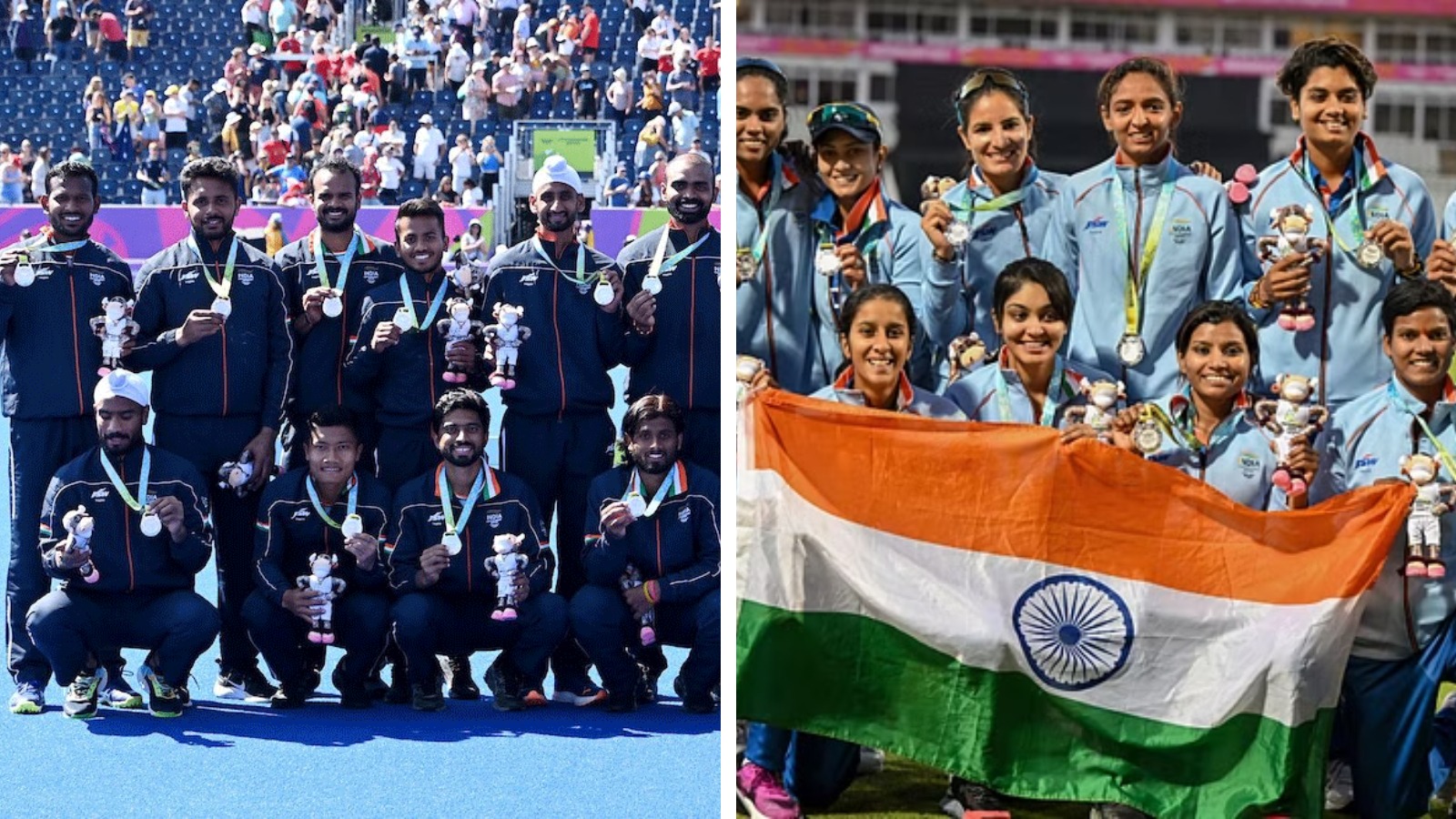
As the 2026 Commonwealth Games open in Glasgow, India faces a radically altered medal landscape. Essential traditional medal-producers—including wrestling, badminton, hockey, and table tennis—have been dropped from the streamlined 10-sport schedule. Organizers implemented the cuts to bypass a multi-million-dollar budget crisis following original host withdrawals.
GLASGOW, UNITED KINGDOM / NEW DELHI — When the 2026 Commonwealth Games formally commence in Glasgow, Scotland, the Indian contingent will step onto competition grounds missing several of its most prolific podium disciplines. Staples such as badminton, wrestling, hockey, and table tennis—which collectively accounted for nearly half of India's total medal haul at the Birmingham 2022 Games—will feature no events on the trimmed program.
The sweeping omission stems directly from organizational downsizing. After the Australian state of Victoria withdrew as host due to spiraling financial projections, the Commonwealth Games Federation (CGF) partnered with Glasgow to host a scaled-down, cost-efficient version of the multi-sport event utilizing existing infrastructure rather than constructing a new athletes' village. Consequently, the sports roster was compressed from 20 disciplines down to a mandatory core of 10.
The Scale of the Medals Vacuum for India
For decades, sports like wrestling and badminton served as foundational pillars for India's upper-tier standing in the final medal table. At the 2022 Birmingham Games, where India secured 61 medals, the absent disciplines contributed 30 podium finishes, representing roughly 46 percent of the country's overall success.
| Discipline | Birmingham 2022 Contribution | Glasgow 2026 Status |
| Wrestling | 12 Medals | Completely Dropped |
| Table Tennis | 7 Medals | Completely Dropped |
| Badminton | 6 Medals | Completely Dropped |
| Hockey & Cricket | 3 Medals | Completely Dropped |
| Athletics & Weightlifting | Core historical yields | Expanded strategic focus |
With these guaranteed medal pipelines removed, India's smaller 125-athlete contingent is forced to pivot its expectations toward track and field events, weightlifting, boxing, and judo. Events featuring global stars like javelin thrower Neeraj Chopra and weightlifter Mirabai Chanu are now expected to shoulder the country's overall ranking objectives.
Impact on Athletes, Stakeholders, and Strategic Planning
The sudden exclusion of high-performance sports has sparked extensive debate among sports administrators, national federations, and athletes who oriented multi-year training cycles toward the Commonwealth window.
For Elite Athletes: Competitors in disciplines like wrestling and hockey lose a premier international multi-sport platform to gauge global standing and secure state incentives.
For National Federations: Funding allocations and grass-roots prioritization may shift dynamically as performance metrics concentrate heavily on athletics and combat sports.
For Spectators and Fans: Viewership dynamics will shift away from traditional team and racket sports toward individual track, field, and combat showdowns.
Official Sources Section
Information regarding the restructuring of the sports program, venue selections, and contingency adjustments is based on official statements issued by the Commonwealth Games Federation (CGF), tournament organizers in Scotland, and delegation briefings published via the Indian Olympic Association (IOA).
Quote Section
"According to sports organizers and federation officials, the reduction of the sports program to 10 core disciplines was a necessary operational adjustment to ensure financial viability and deliver a sustainable multi-sport event within compressed hosting timelines."
Why It Matters
The omission of India's premier medal events alters the competitive landscape of international sports administration:
For India's Medal Tally: Eradicates nearly half of the country's historical podium margin, making top-five finish projections heavily dependent on athletic over-performance.
For Future Hosting Bids: Establishes a precedent where future Commonwealth Games hosts may permanently streamline sport inventories to control municipal budgets.
For Athlete Development: Reinforces the urgency for Indian sports authorities to diversify elite training infrastructure across a broader spectrum of Olympic and Commonwealth disciplines.
Key Facts at a Glance
Trimmed Program: Glasgow 2026 features only 10 sports, down from 20 in Birmingham.
Missing Heavyweights: Wrestling, badminton, table tennis, hockey, and cricket have been excluded.
Impacted Yield: Dropped sports accounted for 30 medals (nearly 46%) of India's 2022 campaign.
Contingent Size: India is represented by a streamlined squad of 125 athletes focusing on athletics, boxing, and weightlifting.
Frequently Asked Questions (FAQ)
Why were badminton, wrestling, and hockey removed from the 2026 Commonwealth Games?
The sports were cut because Glasgow 2026 reduced its sports program to 10 core disciplines as a cost-saving measure after taking over hosting duties on short notice.
How many medals did India win in these dropped sports at Birmingham 2022?
India won 30 medals across badminton, wrestling, table tennis, hockey, and cricket during the 2022 Birmingham Games, making up nearly 46% of their total count.
Which sports will now drive India's medal prospects in Glasgow?
With traditional sports absent, India's campaign will rely heavily on athletics, weightlifting, boxing, and judo.
Will these popular sports return to future Commonwealth Games?
The inclusion of sports beyond the mandatory core disciplines in future editions will depend on the preferences and financial capacities of subsequent host cities.
Source: Official program updates from the Commonwealth Games Federation (CGF), delegation bulletins from the Indian Olympic Association (IOA), and organizational announcements from Glasgow 2026.