As India celebrates its 80th Independence Day, the National Flag stands as a timeless symbol of the nation's glory, freedom, and unity. Governed by strict civic codes, the Tricolour continues to inspire millions, embodying India's rich heritage and collective aspirations for the future.
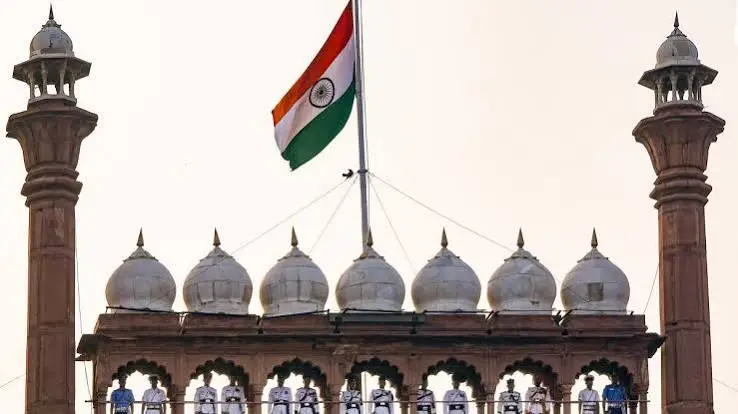
NEW DELHI — Across the nation, government offices, educational institutions, historical monuments, and millions of residential rooftops are adorned with the Tricolour as India celebrates its 80th Independence Day. Prime Minister Narendra Modi led the national commemorations from the ramparts of the historic Red Fort, where the unfurling of the National Flag anchored a ceremony dedicated to national unity, indigenous progress, and the aspirations of Yuva Shakti.
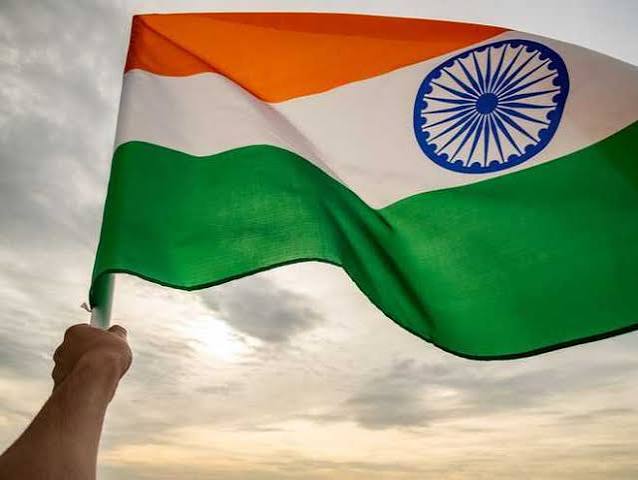
The National Flag—featuring horizontal bands of deep saffron, white, and dark green with the navy blue Ashoka Chakra at its center—serves as a constant reminder of the country's freedom struggle. Beyond its historical resonance, the flag encapsulates the collective identity, cultural diversity, and democratic values of over 1.4 billion citizens as the nation advances toward its vision of Viksit Bharat (Developed India) by 2047.
Historical Legacy and Code of Honor
Adopted in its present form during a meeting of the Constituent Assembly on July 22, 1947, the Indian National Flag represents the sacrifices made by countless freedom fighters. Each color carries distinct symbolic weight: saffron denotes strength and courage, white signifies peace and truth, and green stands for fertility, growth, and auspiciousness of the land. At the center, the 24 spokes of the Ashoka Chakra symbolize righteousness, progress, and continuous motion.
According to administrative guidelines and civic codes:
Flag Code of India: The display, usage, and hoisting of the National Flag are strictly governed by the Flag Code of India and the Prevention of Insults to National Honour Act, ensuring absolute dignity and respect.
Material and Manufacturing: Official standards mandate that the flag be made only of hand-spun and hand-woven wool, cotton, silk, or polyester khadi bunting, upholding the heritage of domestic self-reliance.
Civic Responsibility: Citizens across public and private sectors are encouraged to display the flag with pride, observing proper protocols regarding its upkeep, sunset-to-sunrise display timelines, and respectful disposal.
Official Sources Section
Quote Section
According to statements released by national leaders and cultural organizers during the Independence Day observances:
"The Tricolour is not merely a piece of cloth; it is the living symbol of India's glory, hard-won freedom, and the unwavering spirit of unity that binds our diverse population together."
Why It Matters
For citizens, students, and public institutions, the National Flag fosters a deep sense of patriotism and civic duty. By understanding and respecting the symbol of India's glory, communities reinforce national integration and collective resolve, ensuring that the foundational ideals of liberty, equality, and fraternity remain central to the nation's ongoing developmental journey.
Key Facts at a Glance
National Symbol: The Tricolour ( Tiranga ), featuring Saffron, White, and Green with the Ashoka Chakra.
Adoption Date: July 22, 1947, by the Constituent Assembly.
Governing Law: The Flag Code of India and the Prevention of Insults to National Honour Act.
Core Significance: Represents national sovereignty, the freedom struggle, and the vision of a progressive, united India.
FAQ Section
What do the three colors of the Indian National Flag signify?
The deep saffron stands for courage and sacrifice, white represents peace and truth, and green denotes faith, fertility, and chivalry.
What is the significance of the wheel in the center of the flag?
The navy blue Ashoka Chakra represents the 'wheel of the law' from the Sarnath Lion Capital, symbolizing righteousness, progress, and constant movement.
Who governs the rules for displaying the National Flag?
The display and handling of the flag are regulated by the Flag Code of India and the Prevention of Insults to National Honour Act, administered by the Ministry of Home Affairs.
When was the modern Indian National Flag officially adopted?
The flag in its present form was formally adopted during the Constituent Assembly meeting held on July 22, 1947, a few weeks prior to India's independence.
Source: Ministry of Home Affairs, Press Information Bureau, Government of India Portal