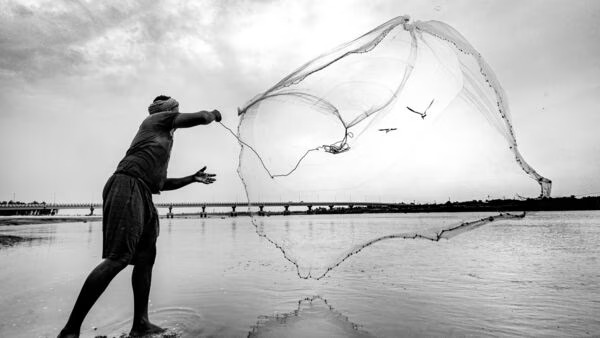
In West Bengal, the prized hilsa fish faces mounting supply shortages this monsoon season as river siltation, erratic rainfall, and overfishing hinder its upstream migration. With arrivals down by 40 percent in Kolkata wholesale markets, retail prices have reached record highs, challenging long-standing cultural traditions and coastal fishing economies.
KOLKATA, July 25, 2026 — As the peak monsoon culinary season reaches its height across eastern India, Bengal's cherished hilsa fish locally celebrated as ilish is facing severe supply bottlenecks, forcing retail prices to record highs across Kolkata wholesale hubs. According to market monitoring releases from the Fish Importers Association and state fisheries desks on Saturday, dwindled catches in the Hooghly river estuary and changing oceanic migration routes have severely curtailed local arrivals, making the seasonal delicacy increasingly scarce for ordinary households.
The crisis highlights a combination of ecological stressors, overfishing of juvenile fish (jatka), and altered monsoon rainfall patterns that together prevent the anadromous species from completing its natural upstream spawning migration from the Bay of Bengal into river systems.
Supply Deficit, Market Dynamics, and Retail Pricing
At major fish hubs across Kolkata, including Howrah Wholesale Fish Market, Gariahat, and Maniktala, the shortage of mid-to-large-sized fish (weighing above 1 kilogram) has caused wholesale rates to skyrocket. Traders report that daily arrivals at the Howrah wholesale depot have fallen by more than 40 percent compared to seasonal baselines recorded during the same period in previous years.
To offset the shortfall in marine and estuarine catch from coastal South 24 Parganas and Purba Medinipur, traders have increasingly relied on imports from neighboring Bangladesh and shipments from Odisha's Chilika Lake and Gujarat's Narmada estuary. However, geopolitical regulatory quotas and shipping costs have elevated final consumer prices.
| Hilsa Weight Category | Average Wholesale Price (Per Kg) | Average Retail Market Price (Per Kg) | Primary Supply Origin |
| Below 500g (Small) | ₹550 – ₹700 | ₹750 – ₹900 | Marine trawlers (Digha/Kakdwip) |
| 500g to 999g (Medium) | ₹1,100 – ₹1,300 | ₹1,400 – ₹1,700 | Hooghly Estuary & Odisha Coast |
| 1.0 kg to 1.5 kg (Large) | ₹1,800 – ₹2,200 | ₹2,200 – ₹2,800 | Padma River (Bangladesh) / Deep Sea |
| Above 1.5 kg (Premium) | ₹2,500 – ₹3,000 | ₹3,200 – ₹3,800 | Bangladesh Import Quotas |
Environmental Stressors and Upstream Migration Barriers
Marine biologists and fishery researchers from the Central Inland Fisheries Research Institute (CIFRI) state that the hilsa population is struggling against a combination of human-induced and environmental obstacles. As an anadromous species, hilsa spends most of its life in the sea but migrates upstream into freshwater rivers to lay eggs during the monsoon months.
Several factors have disrupted this seasonal cycle:
Siltation and Barrage Structures: Heavy siltation at river mouths and flow alterations created by barrage infrastructure prevent adult fish from swimming upstream.
Overfishing of Juveniles: Mechanized trawlers utilizing fine-mesh nets frequently capture juvenile jatka before they reach reproductive age, depleting future breeding stock.
Climatic and Salinity Variations: Delayed monsoon rains and changing sea surface temperatures disturb natural migration cues, forcing fish schools to stay further offshore in deeper waters.
Official Sources Section
According to official briefings and market trade updates released by fishery departments and merchant associations:
"According to officials from the West Bengal Fisheries Development Corporation, state authorities are strictly enforcing ban periods on fine-mesh nets and juvenile fishing while coordinating with coastal law enforcement to protect natural spawning sanctuaries along the Bay of Bengal coastline."
Official regulatory frameworks and market reports are maintained by the West Bengal Department of Fisheries, the Central Inland Fisheries Research Institute (CIFRI), and international trade updates from the Ministry of Commerce and Industry.
Why It Matters
The evolving crisis surrounding the availability of hilsa carries economic, environmental, and cultural consequences across eastern India:
For Consumers & Households: High retail costs make the traditional monsoon delicacy unaffordable for low- and middle-income families, altering weekend cultural traditions.
For Fisherfolk & Coastal Communities: Declining catches reduce seasonal income for tens of thousands of artisanal fishermen and trawler crews along coastal West Bengal and Odisha.
For Ecological Conservation: Underscores the urgent need for cross-border river basin management, strict net-size enforcement, and marine sanctuary protections between India and Bangladesh.
Key Facts at a Glance
Market Deficit: High demand during monsoon months coincides with a 40% reduction in local hilsa arrivals across Kolkata markets.
Pricing Escalation: Premium hilsa weighing over 1 kilogram is fetching up to ₹3,500 per kilogram in retail markets.
Ecological Barriers: River siltation, climate-driven rainfall shifts, and mechanized juvenile catching hamper natural upstream migration.
Conservation Measures: Fisheries departments are enforcing bans on fine-mesh nets to allow juvenile jatka to mature.
Frequently Asked Questions (FAQ)
Why is Bengal's hilsa becoming so expensive this monsoon season?
Prices have escalated due to reduced local catches caused by river siltation, erratic monsoon rainfall, overfishing of juvenile fish, and rising transportation and import costs for high-grade specimens.
What is the difference between Padma hilsa and local Hooghly hilsa?
Hilsa caught in Bangladesh's Padma River is highly prized for its higher oil content and distinct taste, resulting from specific freshwater feeding environments, whereas Hooghly hilsa comes from West Bengal's estuarine system.
How does climate change affect hilsa fish migration?
Climate change alters water salinity, sea surface temperatures, and monsoon rainfall timing. Because hilsa rely on specific freshwater currents to migrate upstream to spawn, changing weather patterns disrupt their breeding journeys.
What actions are government authorities taking to protect hilsa?
Authorities enforce seasonal fishing bans, restrict fine-mesh nets that catch juvenile jatka, monitor coastal marine sanctuaries, and conduct artificial breeding and restocking research.
Source: West Bengal Department of Fisheries, ICAR-Central Inland Fisheries Research Institute, and Ministry of Commerce and Industry.