Russian President Vladimir Putin announced that India and China are demonstrating increased interest in commercial cooperation along the Northern Sea Route. Running along Russia's Arctic coast, the shorter shipping corridor reduces Asia-Europe transit times by up to two weeks, providing strategic trade and energy security advantages amid ongoing global supply disruptions.
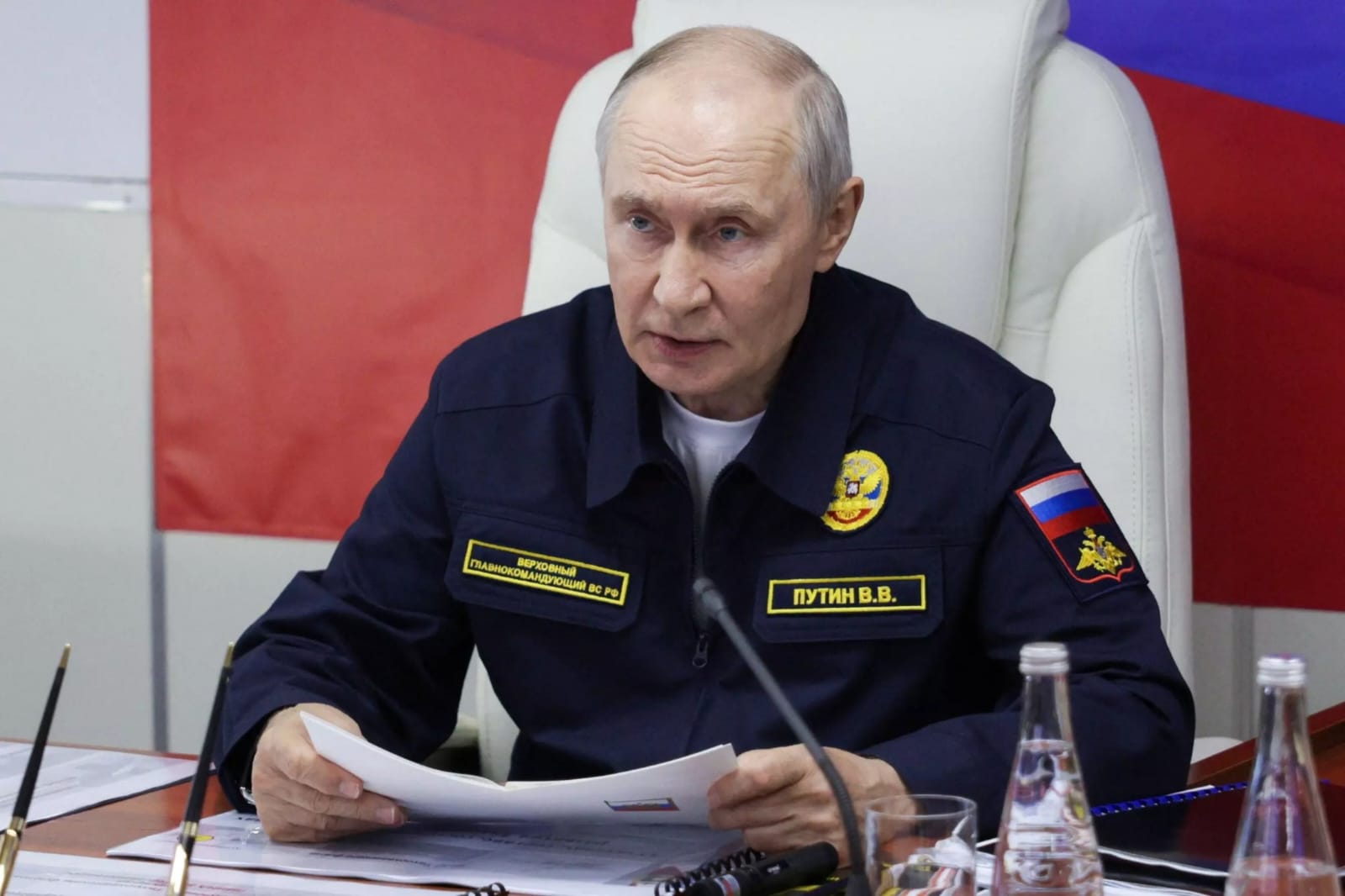
MOSCOW — Russian President Vladimir Putin announced on Wednesday, August 12, 2026, that India is among the key nations showing growing interest in commercial and maritime cooperation along the Northern Sea Route. Speaking to Pacific Fleet personnel aboard the missile cruiser Varyag, Putin stated that Moscow actively engages with key partners to expand trade navigation along the Arctic shipping lane. The statement comes as Russia seeks to diversify its energy transport channels, develop Arctic infrastructure, and counter the impact of Western trade restrictions imposed over the Ukraine conflict.
Putin Outlines Arctic Shipping Priorities
During his address, President Putin emphasized that Russia remains open to international collaboration along the Northern Sea Route, provided all activities strictly align with established international maritime law. He singled out India and China as major international partners actively participating in discussions to operationalize the route for commercial freight and energy shipments.
"Although Russia has consistently voiced, and continues to reaffirm, its readiness to cooperate and leverage the advantages of the Northern Sea Route, strictly within the bounds of existing international maritime law, we see growing interest from countries wishing to engage with us on this front," Putin stated. "These partners include, above all, our friends China, India, and other nations who are actively discussing these matters with us."
Russia views the Northern Sea Route as a pivotal trade artery capable of transforming global supply chains. For energy importers like India, participation offers alternative transit infrastructure to secure bulk commodities, crude oil, and liquefied natural gas (LNG).
Strategic Context of the Northern Sea Route
The Northern Sea Route runs along Russia's northern Arctic coastline, connecting the Atlantic Ocean to the Pacific Ocean through the Arctic Ocean. Stretching approximately 13,000 kilometers, the Arctic shipping lane provides a significantly shorter maritime link between European ports and East Asian markets compared to the traditional 21,000-kilometer route through the Suez Canal.
By utilizing the Northern Sea Route, commercial cargo vessels can potentially reduce transit duration between Asia and Europe by 10 to 14 days, offering substantial savings in maritime fuel and operational timelines. While climate-driven reductions in Arctic ice cover have extended the navigational window during summer months, harsh polar weather, limited port infrastructure, and a shortage of specialized ice-class vessels remain ongoing operational hurdles.
To address these deficits, Russian state enterprise Rosatom is investing heavily in icebreaker fleets, deep-water port facilities, and navigational safety systems along the Arctic coast. Indian participation in developing transhipment hubs, such as the Chennai-Vladivostok Eastern Maritime Corridor, complements these Arctic logistics initiatives by providing direct feeder links to South Asian ports.
Geopolitical Tensions and Maritime Warnings
In his remarks, President Putin cautioned against growing "artificial tensions" in the Arctic region, pointing directly to the expanding military footprint of the North Atlantic Treaty Organization (NATO) near northern borders. He reaffirmed that Moscow intends to maintain administrative control over the Northern Sea Route in accordance with international conventions while resisting external pressure.
Parallel to his comments on Arctic shipping, Putin issued a strong warning to European Union nations regarding recent regulatory efforts to target Russia's merchant maritime fleet. Addressing reports that European authorities could detain or impound Russian commercial vessels, Putin warned that Moscow would treat any ship seizures as "piracy and banditry" and respond in kind across international waters.
European regulators have expanded sanctions targeting merchant vessels suspected of facilitating Russian oil exports outside price-cap mechanisms, leading to vessel detentions in European territorial waters.
Impact on Global Trade, Energy, and Logistics
The expansion of commercial operations along the Northern Sea Route carries wide-reaching implications for global shipping companies, commodity traders, and energy investors:
Shipping & Logistics: Navigating through Arctic waters slashes vessel transit times between Asia and Europe, reducing carbon emissions per voyage and bypassing high-congestion choke points like the Bab el-Mandeb Strait and the Suez Canal.
Energy Security: Indian energy companies seeking diversified import channels gain access to Arctic oil and gas reserves, reinforcing long-term supply stability.
Infrastructure Investment: Port developers, shipbuilding firms, and marine equipment providers stand to benefit from capital expenditures directed toward building ice-capable transport vessels and Arctic port terminals.
Official Sources Section
Statements regarding Northern Sea Route cooperation were delivered directly by Russian President Vladimir Putin during an official address broadcast by Russian state agencies, including TASS and reported via official press briefings from the Kremlin.
Quote Section
"According to officials, President Vladimir Putin affirmed that cooperation on the Northern Sea Route will be conducted strictly within the limits of international maritime law, noting that dialogue with partners such as India and China continues to expand."
Why It Matters
Securing reliable access to the Northern Sea Route gives major emerging economies like India a shorter, cost-effective maritime alternative to Western-controlled trade routes. As global supply lines face persistent geopolitical disruptions, Arctic shipping channels offer enhanced strategic autonomy and energy security for South Asian supply chains.
Key Facts at a Glance
Announcement Date: Wednesday, August 12, 2026.
Key Partners Cited: India, China, and other Asian partner nations.
Transit Advantage: Reduces Asia-Europe maritime travel times by 10 to 14 days compared to the Suez Canal.
Route Length: Approximately 13,000 kilometers along Russia's Arctic coastline.
Operational Framework: Managed under existing international maritime law and national Arctic infrastructure programs.
FAQ Section
What is the Northern Sea Route?
The Northern Sea Route is an Arctic shipping corridor running along Russia's northern coast, connecting the Atlantic and Pacific oceans.
Why is India interested in the Northern Sea Route?
India seeks shorter shipping times to Northern Eurasia, enhanced energy security through Arctic crude and gas access, and diversified trade routes independent of traditional maritime choke points.
How much time does the Northern Sea Route save?
Compared to the traditional Suez Canal passage, the Northern Sea Route cuts travel time between Europe and Asia by approximately 10 to 14 days.
What challenges affect navigation along the route?
Navigational challenges include severe Arctic weather, ice cover during winter months, a shortage of ice-class merchant ships, and limited port infrastructure along the remote Arctic coastline.
Source: Statements issued by Russian President Vladimir Putin as reported by state media agency TASS and official press updates from the Kremlin.