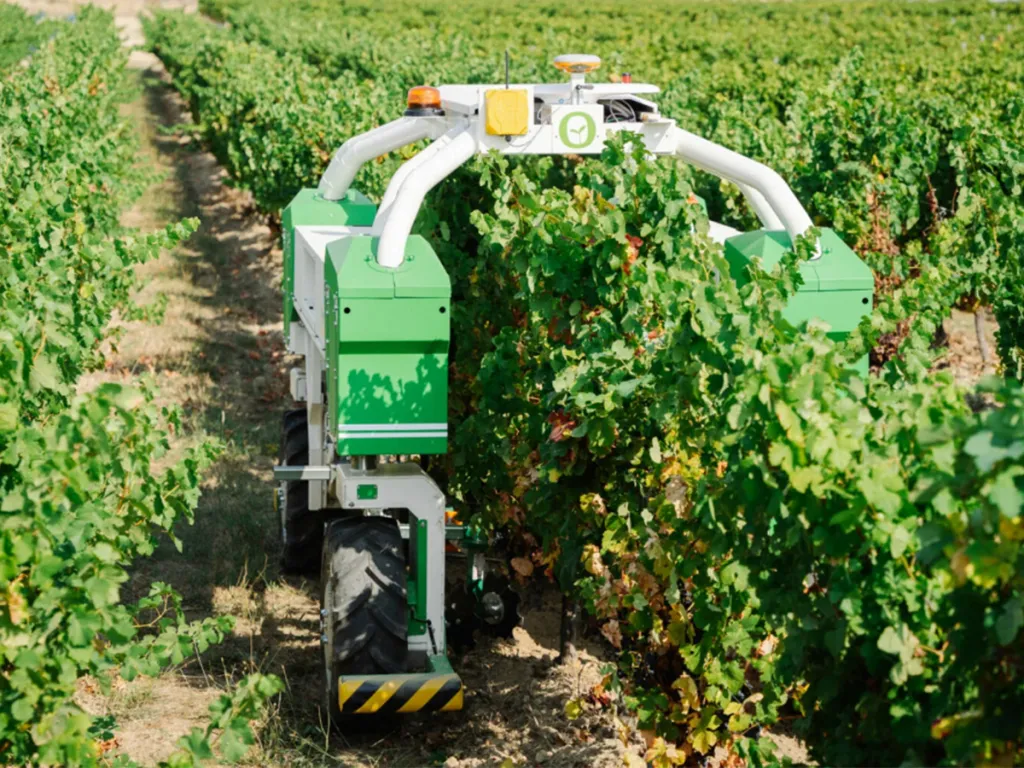
Commercial vineyards deploying a biological eco-army of foraging ducks and natural predators are proving more sustainable and cost-effective than agricultural robots. By eliminating chemical pesticides, naturally fertilizing soil, and avoiding machinery costs, viticulture estates demonstrate that working with nature offers superior efficiency in modern regenerative crop management.
STELLENBOSCH, South Africa — As global agriculture accelerates investments into autonomous machinery and artificial intelligence, leading commercial vineyards are proving that a biological "eco-army" of natural predators outmatches expensive agritech robotics in managing pests, enriching soil, and cutting chemical dependency. The initiative, driven by viticulture estates deploying specialized Indian Runner ducks, sheep, and beneficial endemic insect populations, demonstrates that nature-based regenerative farming methods can outcompete high-maintenance autonomous machinery in long-term ecological and financial sustainability.
The Biological Workforce vs. Autonomous Agritech
The wine industry has faced rising production costs, labor shortages, and climate volatility, prompting many producers to trial autonomous rovers, sensor-driven tractors, and laser-weeding robots. While robotic solutions offer automated navigation and precision spraying, they carry steep capital expenditures, high maintenance requirements, and finite operational lifespans.
In contrast, vineyards utilizing biological systems—dubbed an "eco-army"—deploy thousands of foraging Indian Runner ducks and livestock to maintain vineyard floors. Unlike mechanical tractors or ground rovers that compact topsoil and consume fossil fuels or battery power, these animals navigate uneven vine rows without damaging delicate root systems or soil microbiology.
The biological workforce delivers multi-tiered benefits across the vineyard:
Precision Pest Foraging: Runner ducks consume damaging snails, slugs, and insect pupae directly from vine canopies and soil beds, eliminating the need for synthetic chemical molluscicides and pesticides.
Organic Soil Enrichment: Animal waste acts as a continuous, natural fertilizer, restoring nitrogen levels and organic matter to the soil without manual application.
Cover Crop Management: Managed grazing by sheep naturally trims inter-row cover crops and weeds, reducing the fuel and machinery costs of mechanical mowing.
Preservation of Soil Structure: Light-footed biological foragers prevent soil compaction, improving rainwater absorption and soil aeration.
Economic and Ecological Advantages of Natural Farming
Agricultural economists and viticulturists emphasize that while robotic automation addresses specific repetitive tasks, biological management provides an integrated closed-loop ecosystem.
Robotic weeding units and sensor platforms require substantial upfront capital investments often exceeding hundreds of thousands of dollars, alongside continuous software calibration, charging downtime, and specialized technical support. Conversely, breeding and maintaining natural predator flocks costs a fraction of advanced robotics while actively sequestering carbon, boosting biodiversity, and satisfying strict international organic certification requirements.
For consumers and wine buyers worldwide, sustainable and organic viticulture practices increasingly determine purchasing decisions, giving estates with verified biological farming methods a distinct market advantage.
Official Sources Section
Operational data and sustainable viticulture frameworks referenced in this report are based on agricultural research and regenerative farming guidelines published by the Food and Agriculture Organization of the United Nations and the International Organisation of Vine and Wine.
Quote Section
According to viticulture estate managers and sustainable farming directors:
"While robotics and automation offer technological breakthroughs, they cannot replicate the comprehensive ecological benefits of living systems. Our biological eco-army eliminates pests, enriches the soil, and eliminates synthetic chemicals simultaneously—achieving a level of regenerative balance that machines cannot match."
Why It Matters
The success of biological eco-armies in viticulture challenges the assumption that expensive mechanization is the sole future of modern farming. By demonstrating that natural ecological solutions provide superior pest control, lower carbon emissions, and healthier crop yields, wine producers are establishing a scalable blueprint for sustainable, chemical-free agriculture across the globe.
Key Facts at a Glance
Primary Method: Utilization of Indian Runner ducks, livestock, and beneficial insects for integrated pest management.
Key Targets: Eradication of snail and insect infestations without synthetic pesticides.
Operational Advantages: Zero fossil fuel consumption, zero battery wear, and natural organic fertilization.
Economic Factor: Drastically lower capital expenditure compared to autonomous agritech machinery.
Frequently Asked Questions
Why are Indian Runner ducks preferred in vineyards?
Indian Runner ducks have an upright posture and narrow profile that allows them to run through tight vine rows without trampling root systems, and they possess a natural appetite for crop-damaging snails and insect pests.
How does an eco-army compare in cost to farming robots?
Biological management requires minimal capital investment and basic animal husbandry, whereas autonomous agricultural robots demand high upfront capital, specialized maintenance, and ongoing energy inputs.
Does biological farming completely replace pesticides?
In many commercial estates using integrated duck patrols and beneficial insects, synthetic pesticide and snail bait applications have been reduced to zero, enabling full organic and biodynamic certifications.
Source: Food and Agriculture Organization | International Organisation of Vine and Wine