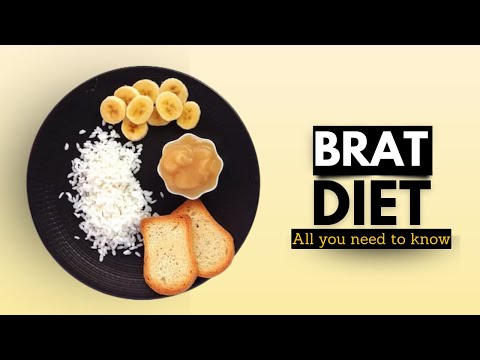
Medical experts advise Indian patients recovering from stomach upsets to move beyond the restrictive BRAT diet of bananas, rice, applesauce, and toast. Traditional Indian alternatives like moong dal khichdi and buttermilk, paired with oral rehydration salts, provide superior protein, electrolytes, and probiotics for faster gut recovery.
NEW DELHI — Clinical gastroenterologists and internal medicine specialists in India are advising patients to look beyond the Western-origin BRAT diet during recovery from acute stomach upsets and gastrointestinal infections. While the regimen—consisting of bananas, rice, applesauce, and toast—has long served as a standard home recommendation for soothing gastrointestinal irritation, medical experts emphasize that its severe nutritional deficiencies and lack of essential electrolytes make traditional Indian alternatives, such as moong dal khichdi, buttermilk, and oral rehydration salts (ORS), far superior for clinical gut recovery.
Limitations of the Traditional BRAT Protocol
The BRAT diet was historically developed in Western clinical settings as a short-term, low-fiber protocol to ease gastrointestinal motility and firm up loose stools during acute diarrhea, food poisoning, and viral gastroenteritis. The four components provide gentle carbohydrates and modest potassium levels, which are simple for an inflamed gut mucosa to absorb.
However, modern pediatric and gastroenterology bodies, including the American Academy of Pediatrics, have systematically moved away from prolonged reliance on the protocol. Clinical research indicates that restricting food intake exclusively to these items creates significant nutritional deficits:
Absence of Bioavailable Protein: The regimen lacks the amino acids required to repair damaged intestinal enterocytes and gut barrier tissue.
Deficiency in Essential Electrolytes: While bananas offer potassium, the diet provides negligible sodium and chloride, which are lost in large volumes during vomiting and diarrheal episodes.
Lack of Healthy Fats: The complete omission of lipids limits caloric density and impairs the absorption of fat-soluble vitamins.
Microbiome Starvation: Prolonged adherence to minimal low-complexity starches deprives beneficial intestinal microbiota of diverse prebiotics, potentially prolonging dysbiosis.
The Indian Dietary Advantage: Culturally Suited Alternatives
Healthcare practitioners note that traditional Indian culinary traditions already offer balanced, easily digestible recovery meals that address the shortcomings of the restrictive protocol. Rather than adopting an unfamiliar Western menu consisting of processed applesauce and sliced bread, Indian kitchens provide staple preparations tailored to gastrointestinal rehabilitation.
Key traditional alternatives validated by clinical nutritionists include:
Moong Dal Khichdi: A soft-cooked porridge of split yellow lentils and white rice that provides an optimal ratio of simple carbohydrates and complete plant protein without putting mechanical strain on the digestive tract.
Curd Rice and Chaas (Spiced Buttermilk): Naturally fermented dairy preparations that supply live probiotic cultures, lactic acid, and bioavailable fluid to reseed the gut microbiome and calm mucosal inflammation.
Dal Ka Paani (Lentil Broth): A nutrient-dense, clear liquid that delivers water, soluble protein, and minerals without excess roughage.
Steamed Fermented Foods: Dishes such as idli provide gut-friendly pre-digested starches and beneficial fermentation byproducts that accelerate digestive normalization.
Clinical Primacy of Hydration and Electrolyte Replacement
Medical authorities emphasize that the primary danger in acute gastroenteritis is not temporary caloric reduction, but rapid dehydration and electrolyte depletion. World Health Organization (WHO) protocols stress that the cornerstone of gastroenteritis management remains early and continuous administration of standard Oral Rehydration Solution (ORS) rather than restrictive solid-food diets.
Gastroenterologists recommend that individuals experiencing gastrointestinal distress introduce bland, nutrient-dense fluids within the first 12 to 24 hours, followed by a gradual reintroduction of age-appropriate, balanced meals as nausea and vomiting subside. Restricting patients to the BRAT diet beyond 24 to 48 hours is widely discouraged by contemporary medical guidelines due to the risk of undernutrition.
Official Sources Section
Clinical nutrition perspectives and gastrointestinal guidance referenced in this report are based on therapeutic guidelines published by the World Health Organization, research frameworks from the Indian Council of Medical Research, and pediatric clinical standards documented by the American Academy of Pediatrics.
Quote Section
According to clinical observations shared by internal medicine specialists:
"The BRAT diet has historically served as a familiar bland protocol, but current evidence shows that prolonged dietary restriction delays complete recovery. Once acute vomiting ceases, patients in India benefit significantly more from indigenous, easily digestible staples like moong dal khichdi and buttermilk, which deliver the essential electrolytes, probiotics, and proteins needed to restore gut integrity."
Why It Matters
Acute gastrointestinal infections and food-borne illnesses affect millions across India each year. Moving away from restrictive Western dietary dogmas toward scientifically sound, culturally familiar alternatives ensures faster clinical recovery, prevents unnecessary childhood malnutrition, and reinforces the importance of standard electrolyte rehydration over self-imposed dietary deprivation.
Key Facts at a Glance
BRAT Composition: Bananas, Rice, Applesauce, Toast.
Clinical Limitation: Lacks adequate protein, fat, sodium, and comprehensive micronutrients.
Indian Substitutes: Moong dal khichdi, curd rice, buttermilk, dal water, and idli.
First-Line Therapy: WHO-formulated Oral Rehydration Solution (ORS) for fluid and electrolyte restoration.
Recommended Duration: Bland restrictions should not exceed 24 to 48 hours without medical supervision.
Frequently Asked Questions
What is the BRAT diet?
The BRAT diet is a bland food protocol consisting of bananas, rice, applesauce, and toast, traditionally recommended to manage diarrhea and nausea.
Why do modern doctors advise against strict adherence to the BRAT diet?
Current clinical guidelines advise against prolonged reliance because the diet is deficient in protein, fats, sodium, and essential micronutrients required for intestinal healing and sustained energy.
What are the best Indian food alternatives for stomach upset recovery?
Gentle, nutrient-dense Indian alternatives include well-cooked moong dal khichdi, curd rice, unsweetened buttermilk with cumin, clear dal water, and steamed idlis.
What is the most critical step during acute diarrhea or vomiting?
The single most important medical intervention is continuous oral rehydration using WHO-standard ORS or electrolyte-balanced fluids to prevent dehydration.
Source: World Health Organization | Indian Council of Medical Research | American Academy of Pediatrics