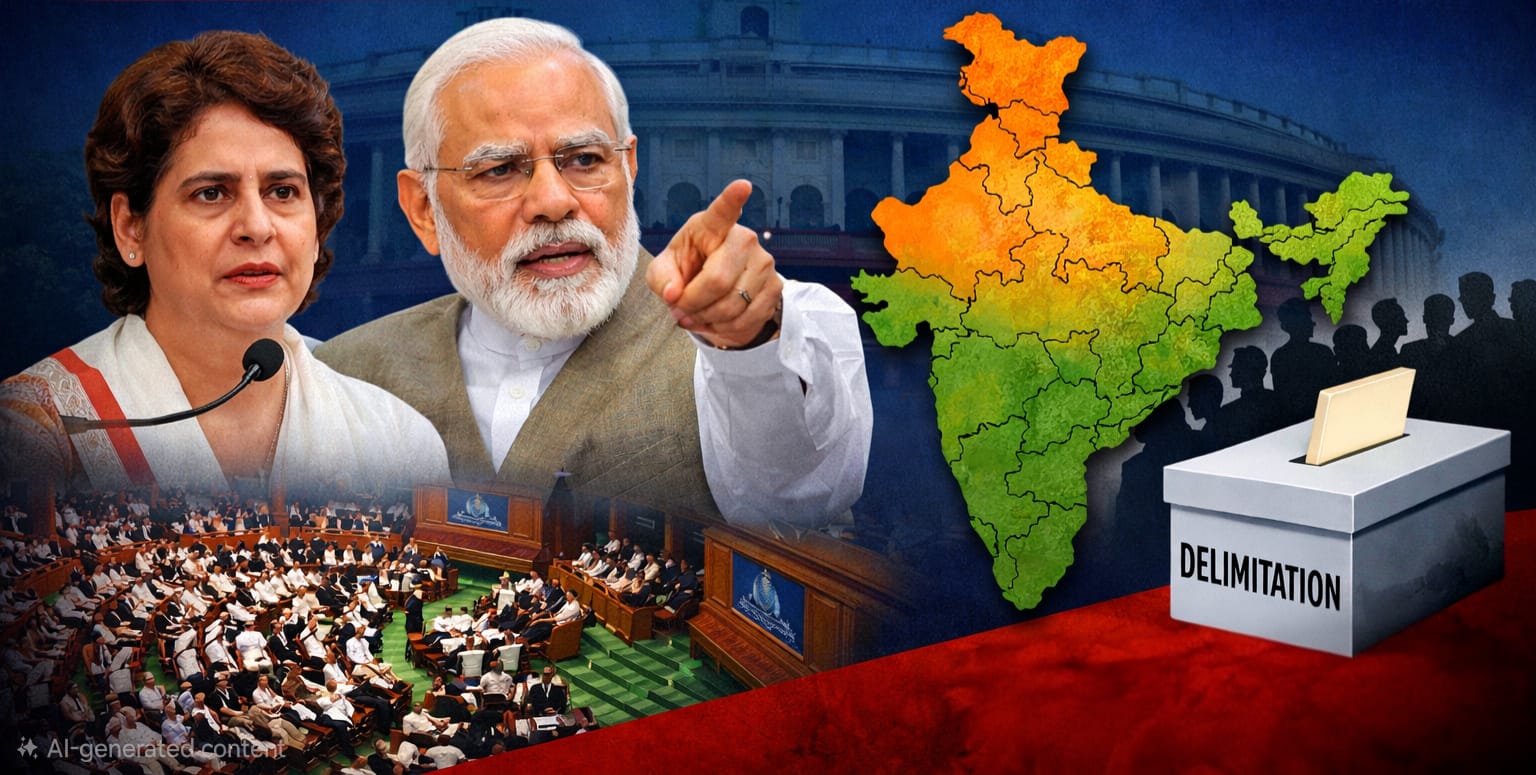
India’s Women’s Reservation Bill promises 33% seats for women in Parliament and state assemblies, marking a historic push for gender equality. However, its implementation is tied to delimitation and census exercises, raising concerns about delays, political implications, and when women will actually see representation benefits on the ground.
India has taken a significant legislative step toward improving women’s political representation with the passage of the Women’s Reservation Bill. While widely celebrated, the law comes with conditions that could postpone its real-world impact.
What The Bill Proposes
The Women’s Reservation Bill, officially known as the Nari Shakti Vandan Adhiniyam, mandates reserving one-third of seats in the Lok Sabha and state legislative assemblies for women. This includes quotas within seats already reserved for Scheduled Castes and Scheduled Tribes, ensuring broader inclusivity.
The move aligns India with global efforts to improve gender parity in governance, potentially transforming political participation and decision-making structures.
The Delimitation Clause
A critical aspect of the bill is its linkage to delimitation — the process of redrawing electoral constituency boundaries. This exercise will only take place after the next census, which has been delayed.
In practical terms, this means the reservation will not come into effect immediately. The timeline depends on when the census is conducted and when delimitation is completed, pushing implementation potentially several years into the future.
The Hidden Catch
While the bill signals intent, critics argue that tying it to delimitation creates uncertainty. Without a clear timeline, the reform risks being symbolic rather than immediate. Political analysts also point out that delimitation could shift regional representation, adding another layer of complexity to the rollout.
Additionally, the reservation will operate on a rotation basis, meaning constituencies reserved for women may change each election cycle. This could impact continuity and long-term political planning for candidates.
Key Highlights
- 33% reservation for women in Lok Sabha and state assemblies
- Includes sub-quota for SC and ST women
- Implementation linked to post-census delimitation
- No immediate rollout timeline confirmed
- Reservation seats will rotate across constituencies
What It Means For India
The Women’s Reservation Bill is a landmark reform in principle, reinforcing India’s commitment to gender equality in politics. However, its success will depend on timely census data, transparent delimitation, and political will to ensure the promise translates into actual representation.
Sources: Government of India releases, Parliamentary debates, policy analysis reports