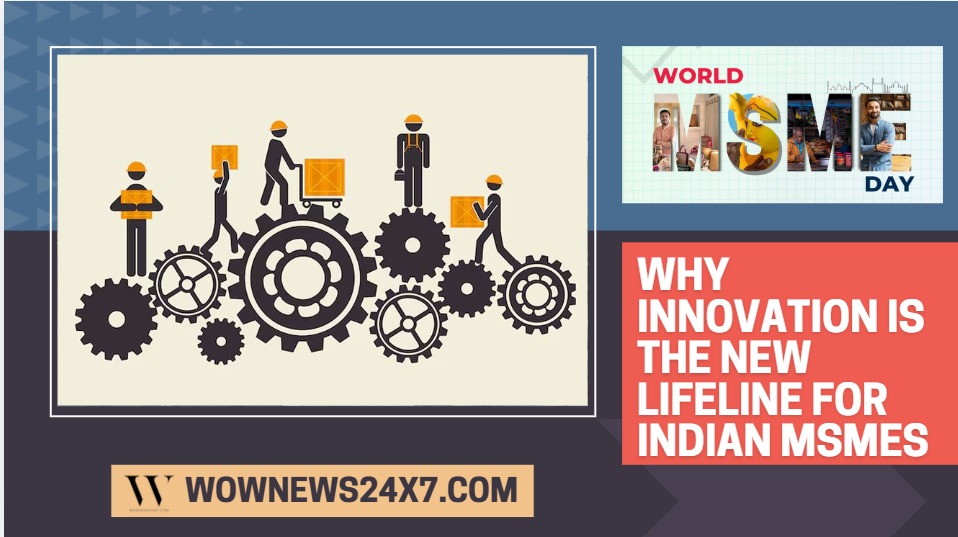
On World MSME Day, Indian industry leaders are urging policymakers to implement competitiveness-focused reforms to help small businesses navigate global trade risks and fragmentation. Experts emphasize that transitioning from basic formalization to advanced technology adoption and streamlining regulatory processes is vital for the sector to remain a driver of growth.
NEW DELHI — On the eve of World MSME Day, celebrated annually on June 27, India’s Micro, Small, and Medium Enterprises (MSMEs) are navigating a complex era of structural economic transition. While the sector remains the backbone of the national economy—contributing over 31% to GDP and supporting millions of livelihoods—industry representatives are sounding the alarm over heightened global trade risks that threaten to squeeze their operational margins.
In a unified call to action, stakeholders are pressing for a shift in policy focus. Rather than viewing current market volatility as a temporary hurdle, experts argue that Indian MSMEs require sustained reforms to bolster productivity and ensure they remain competitive in an increasingly fragmented global marketplace.
The Global Trade Challenge
The global business environment in 2026 is marked by heightened geopolitical tensions, supply chain realignments, and new green regulatory frameworks like the Carbon Border Adjustment Mechanism (CBAM). According to Anil Bhardwaj, Secretary General of the Federation of Indian Micro and Small & Medium Enterprises (FISME), these factors create a challenging environment for smaller firms that often lack the bandwidth to adapt to rapidly changing export compliance requirements.
"The world trading system is becoming increasingly fragmented due to geopolitical tensions, tariff measures, and growing protectionism," Bhardwaj noted. For Indian MSMEs, this means that simple participation in global value chains is no longer sufficient; they must now achieve higher levels of efficiency and technological sophistication to survive external shocks and internal cost pressures, such as rising logistics and raw material prices.
A Strategic Shift Toward Competitiveness
Government and industry leaders are now looking toward comprehensive reforms to elevate the MSME ecosystem. As India progresses toward its "Viksit Bharat 2047" vision, the focus is shifting from basic formalization to high-impact scaling. Initiatives like digital transformation, the Udyam portal, and enhanced access to institutional credit have already brought millions of informal enterprises into the formal economy, laying the groundwork for more ambitious growth.
However, industry experts suggest that the next phase of support must be more targeted. Recommendations include:
Deep-Tech Integration: Encouraging MSMEs to adopt AI and digital tools to reduce operational manual complexity and improve creative output.
Market Diversification: Facilitating "micro-multinational" capabilities that allow small firms to leverage cross-border e-commerce early in their development.
Capacity Building: Streamlining licensing and administrative processes to reduce the "regulatory friction" that often prevents small businesses from scaling into global players.
Official Sources
The government has intensified its focus on the sector, with recent data showing that nearly 30,000 enterprises benefited from procurement programs by Central Public Sector Enterprises (CPSEs) as of June 2026. The Ministry of MSME continues to emphasize the "Vibrant MSMEs, Viksit Bharat" theme, highlighting the role of technology hubs and skill development centers in preparing the sector for the future.
"According to officials, the government is committed to strengthening the legal and financial safeguards for MSMEs, ensuring that grassroots entrepreneurs are not just surviving, but thriving as the primary engines of inclusive growth in India."
Why It Matters
For India, the success of the MSME sector is synonymous with inclusive economic development. These 7.4 crore enterprises represent the nation’s second-largest employment generator after agriculture. Ensuring their competitiveness against global rivals is vital for maintaining steady GDP growth. If these businesses can successfully navigate trade uncertainty and adopt modern technology, they will not only sustain local livelihoods but also act as a powerful engine for India’s high-income transition.
Key Facts at a Glance
Economic Impact: MSMEs contribute over 31% to India's GDP and nearly 49% to exports.
Employment: The sector supports the livelihoods of approximately 33 crore people nationwide.
World MSME Day: Designated by the UN as June 27, the day highlights the role of small businesses in achieving the 2030 Sustainable Development Goals.
Current Priority: Moving from basic formalization to high-margin, tech-enabled global competitiveness.
Frequently Asked Questions (FAQ)
1. What are the biggest risks currently facing MSMEs?
Small businesses are facing a "triple threat" of global trade fragmentation, exchange rate volatility, and rising compliance costs associated with new international environmental and quality standards.
2. How are digital platforms helping Indian MSMEs?
Platforms like Udyam have enabled millions of informal businesses to access formal banking credit, government tenders, and trade market opportunities that were previously out of reach.
3. What policy reforms are industry bodies demanding?
Leaders are calling for simplified licensing, targeted support for technology adoption, and improved "ease of doing business" to help domestic MSMEs become global "scale-ups."
4. Why is World MSME Day significant in 2026?
This year’s observance arrives as the sector faces a structural shift toward AI-native and globalized operations, making it a critical moment for policy leaders to realign support strategies with the realities of the modern global market.
Source: Federation of Indian Micro and Small & Medium Enterprises (FISME), Press Information Bureau (PIB), International Council for Small Business (ICSB), The Economic Times