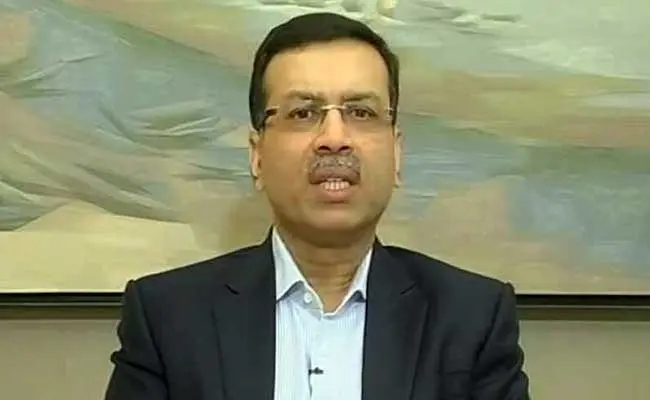
Amarpreet Singh Anand and Sahiba Kaur, parents of two teenage sons, co-founded Good Monk in Bengaluru in December 2022 to address India's hidden hunger crisis. Their tasteless, odourless nutrition powder integrates seamlessly into everyday food. The brand has served 4.5 lakh-plus customers, raised ₹33 crore in total funding, and secured a Shark Tank India Season 4 deal with Vineeta Singh.
A Parent's Frustration, an Indian Kitchen's Wisdom, and a Brand Born From Both
• Amarpreet Singh Anand and Sahiba Kaur are parents of two teenage boys. Like millions of Indian parents, they experienced the daily frustration of watching their children eat exactly what they wanted and exactly what was least nutritious about it. No amount of persuasion, bargaining, or hiding vegetables in parathas felt like a complete solution.
• They looked deeper and found a structural problem. More than 80% of Indians suffer from micronutrient deficiency, a condition so widespread and so invisible that researchers call it Hidden Hunger. People eat enough calories but miss the vitamins, minerals, and proteins that drive immunity, cognitive development, bone health, and gut function. The problem is not lack of food. It is that nutrition does not fit into the way people already eat.
• Amarpreet, who came from a background in consumer goods and strategy, and Sahiba, who became the brand's Chief People Officer, were inspired by the ingenuity of Indian mothers who have always smuggled nutrition into food: ghee pressed into rotis, pureed vegetables folded into curries, dry fruits ground into kheer. They decided to take that philosophy and make it scientific.
• Good Monk launched in December 2022 under Superfoods Valley Private Limited in Bengaluru.
Make Nutrition Invisible and It Becomes Unstoppable
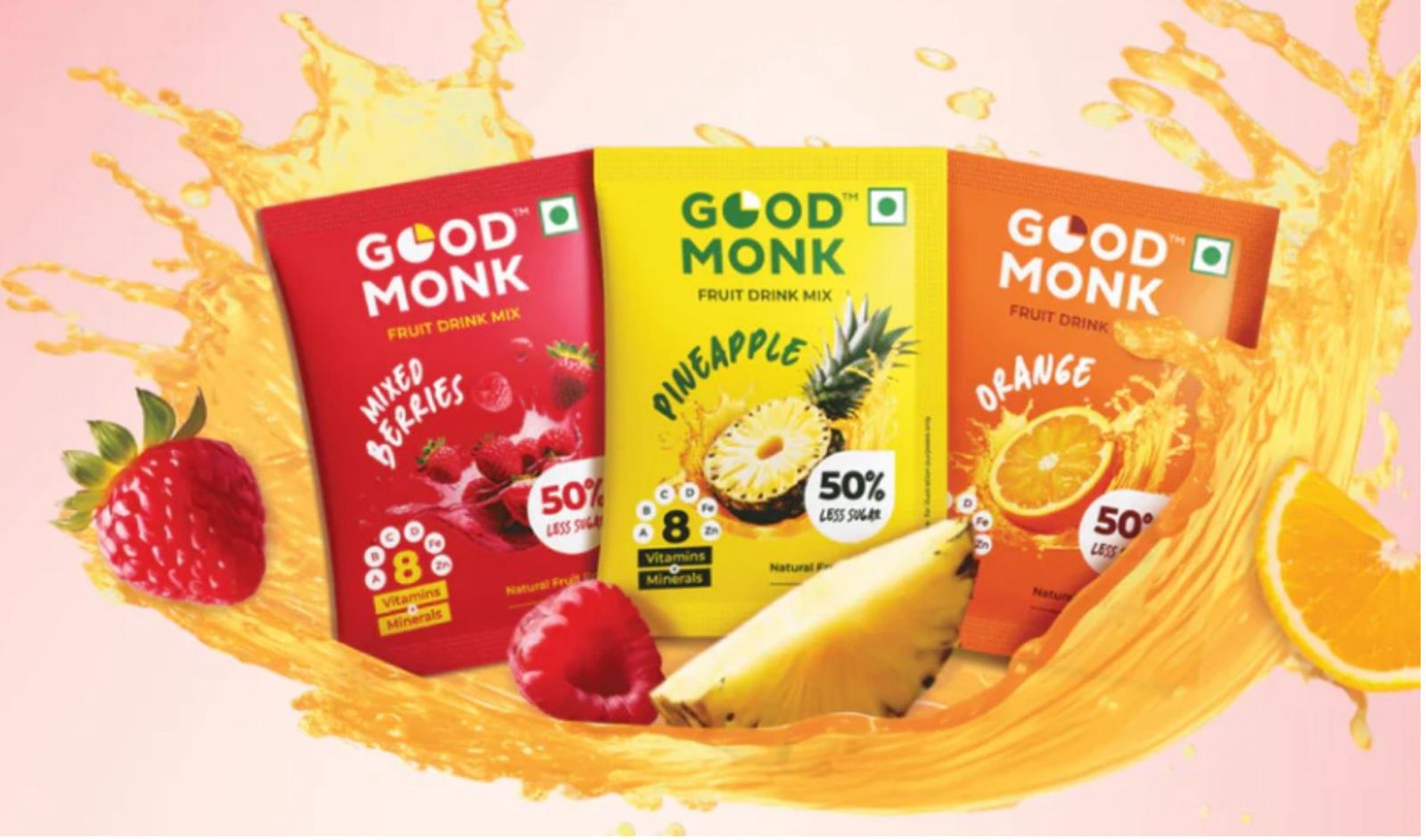
• The boldest product decision Good Monk made was also its most defining: the nutrition powder would be completely tasteless, colourless, and odourless. It would mix into dal, rice, roti dough, milk, curd, or any beverage without changing a single sensory quality of the food.
• This was not a minor formulation challenge. It required two years of research and development, a six-member scientific advisory board, and over 160 quality checks per batch. The final formulation combines 18 to 20 nutrients including vitamins A, B6, B9, B12, C, and D, iron, zinc, lysine for protein utilisation, clinically proven probiotics, prebiotic fibre, Ashwagandha KSM-66, and Brahmi. The entire mix is FSSAI-approved, GMP-certified, HACCP-compliant, 100% vegetarian, and free from preservatives, artificial chemicals, added salt, and refined sugar.
• The insight that made it work was behavioural, not just scientific. "If nutrition feels like medicine or a chore, it will be abandoned. Our goal was to make nutrition invisible yet effective, something people consume naturally without thinking about it," Amarpreet says. When compliance becomes effortless, outcomes become consistent.
The Shark Tank Moment and What Followed
• Good Monk appeared on Shark Tank India Season 4. Amarpreet and Sahiba asked for ₹1 crore for 1.67% equity at a valuation of approximately ₹60 crore. The Sharks were impressed by the product concept and the mission clarity but pressed hard on the burn rate: ₹45 lakh per month with 85% of spending directed at marketing and total losses of ₹11 crore at the time. Vineeta Singh, co-founder of SUGAR Cosmetics, saw the opportunity clearly enough to invest, closing a deal with the founders and becoming a strategic partner in the brand's growth journey.
Scale and Real-World Impact
• Good Monk has served over 4.5 lakh customers across India. The brand operates at an annual revenue run rate of approximately ₹30 crore, representing nearly 30-fold growth over 20 months from launch. Total funding raised stands at ₹33 crore across four rounds from investors including RPSG Capital Ventures, Sharrp Ventures, Multiply Ventures, and Hyperscale Ventures, at a valuation of ₹175 crore. The brand was awarded Health and Wellness Startup of the Year by ET Healthworld. Products are available on Amazon, Flipkart, Zepto, JioMart, and the Good Monk website, with offline presence expanding in Bengaluru. The company contributes 1% of every sale to mid-day meal nutrition programmes for children. The five-year vision is ₹1,000 crore in turnover with both domestic and international expansion including the US via Amazon's Global Selling programme.
When a Solution Asks Nothing Extra of the User, It Spreads by Itself
• The sharpest lesson from Good Monk's journey is this: the most sustainable health products are the ones that remove friction entirely rather than asking the consumer to build new habits.
• Every supplement brand in India competes for the consumer's attention, discipline, and willingness to change. Good Monk competes with none of them because it asks for nothing to change. The food stays the same. The taste stays the same. Only the nutrition changes.
• That architecture, born from a parent's frustration and an Indian mother's centuries-old kitchen wisdom, is the reason 4.5 lakh customers became repeat users without being reminded to. The product worked because it fit into life rather than demanding that life fit around it.
• “Nutrition should be invisible yet effective," Amarpreet says. Two parents built a brand that made that sentence real. And India is eating better for it.
Sources: Good Monk Official, YourStory, Indian Retailer, Tracxn