The WTO’s 8th Trade Policy Review of India highlights the nation’s resilient growth and record export performance while identifying critical structural challenges. To realize the "Viksit Bharat 2047" vision, the report urges India to address trade costs, regulatory complexity, and infrastructure gaps to ensure long-term competitiveness in the global economy.
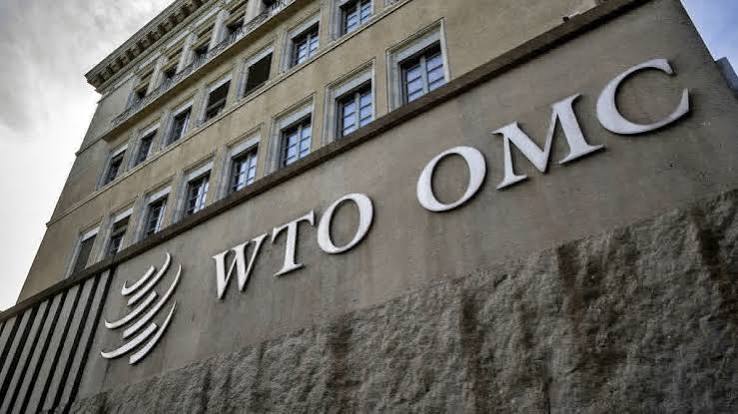
GENEVA — As India positions itself to become a developed nation by 2047, the World Trade Organization (WTO) has emphasized that achieving this "Viksit Bharat" vision will necessitate deeper structural reforms. In its eighth Trade Policy Review (TPR) of India, conducted on July 21 and 23, 2026, the WTO Secretariat acknowledged India’s position as the fastest-growing major economy but warned that maintaining this trajectory requires overcoming significant systemic hurdles [1.1.2, 1.1.3, 1.2.3].
While the WTO lauded India’s resilience during the 2021–2025 review period—highlighted by a record USD 863.1 billion in combined merchandise and services exports in 2025–26—the organization identified specific structural challenges that must be addressed to improve competitiveness and attract foreign investment [1.1.2, 1.2.3, 1.3.2].
Addressing Structural Barriers to Growth
According to the WTO report, the primary impediments to India's long-term economic aspirations include high trade costs, regulatory complexity, infrastructure gaps, and barriers to deeper global integration [1.1.2, 1.1.4]. The report suggests that while India has made strides in financial inclusion and digital trade facilitation, its policy framework continues to rely on relatively high tariffs, export and import controls, and extensive budgetary support programs, particularly in the agricultural and fertilizer sectors [1.1.2, 1.1.3].
To promote more efficient resource allocation, the WTO recommends building on existing administrative reforms, such as the Jan Vishwas (Amendment of Provisions) Acts, to further improve the ease of doing business and enhance national productivity [1.1.2, 1.2.2].
A Strategic Shift in Trade Policy
The review also highlighted India’s strategic pivot toward Free Trade Agreements (FTAs) to secure durable market access and integrate more closely into regional and global value chains [1.1.2, 1.2.2]. Since 2021, India has signed or concluded negotiations on eight major trade agreements, reflecting an effort to link its exporters to the global economy [1.1.3].
"As India seeks to expand its role in global trade, diversify exports and meet its long-term development objectives, the balance between self-reliance and openness, as well as its engagement in the multilateral trading system and its reform, will remain key determinants of its future growth and resilience," the report stated [1.1.4, 1.2.2].
Global Headwinds and Resilience
The WTO noted that India’s economic performance has been tested by external shocks, including geopolitical tensions, climate-related disruptions, and supply chain realignments [1.1.2, 1.2.3]. Furthermore, Indian exporters have faced increased use of non-tariff measures by some trading partners—such as complex standards and conformity assessment procedures—which have constrained market access [1.1.2, 1.1.3].
Despite these challenges, India’s delegation, led by Commerce Secretary Rajesh Agarwal, reaffirmed the nation's commitment to a rules-based multilateral trading system, emphasizing that its domestic reforms are aligned with its long-term development goals [1.2.3, 1.3.1].
Official Sources
World Trade Organization (WTO): 8th Trade Policy Review of India (2026). WTO TPR
Ministry of Commerce & Industry, Government of India: Press releases regarding the 8th Trade Policy Review. Ministry of Commerce & Industry
Press Information Bureau (PIB): Official government reporting on the Geneva proceedings. PIB
Quote Section
"Looking further ahead, sustaining the strong economic performance needed to reach the Viksit Bharat vision of a developed India by 2047 will require addressing structural challenges, including high trade costs, regulatory complexity, infrastructure gaps, and barriers to deeper global integration," the WTO Secretariat report stated [1.1.2, 1.2.2].
Why It Matters
For investors, businesses, and citizens, the WTO’s assessment serves as a roadmap for the next phase of India’s economic development. Addressing these structural challenges is essential to maintaining the high GDP growth rates—projected between 6.8% and 7.2% for FY2027-28—required to elevate India to high-income status by 2047. Furthermore, reducing trade-restrictive measures could lead to more efficient resource allocation and increased participation in global value chains [1.1.2, 1.1.4].
Key Facts at a Glance
Growth Outlook: Real GDP growth is forecast at 6.8%–7.2% for FY2027-28 [1.1.2, 1.1.4].
Export Milestone: Combined merchandise and services exports reached an all-time high of USD 863.1 billion in 2025-26 [1.1.3, 1.3.2].
Structural Focus: Recommendations include lowering high trade costs, simplifying regulations, and closing infrastructure gaps [1.1.1, 1.1.4].
FTA Momentum: India has intensified its FTA engagement, signing or concluding eight major agreements since 2021 [1.1.3].
FAQ
What is the WTO Trade Policy Review (TPR)?
The TPR is a transparency mechanism where WTO members conduct a periodic peer review of a member's trade policies to ensure compliance with multilateral rules and foster predictability [1.1.3, 1.3.3].
Why are structural reforms critical for Viksit Bharat 2047?
To achieve developed-nation status by 2047, India requires sustained annual GDP growth of approximately 8%. The WTO identifies structural reforms as the key to enhancing competitiveness and efficiency to meet this goal [1.1.4].
What were the main areas of concern raised by the WTO?
The report highlighted high average tariffs, reliance on import/export controls, state trading measures, and extensive budgetary support for specific sectors like food and fertilizer as areas requiring further refinement [1.1.2, 1.2.2].
Source: WTO Secretariat, Ministry of Commerce & Industry, Press Information Bureau