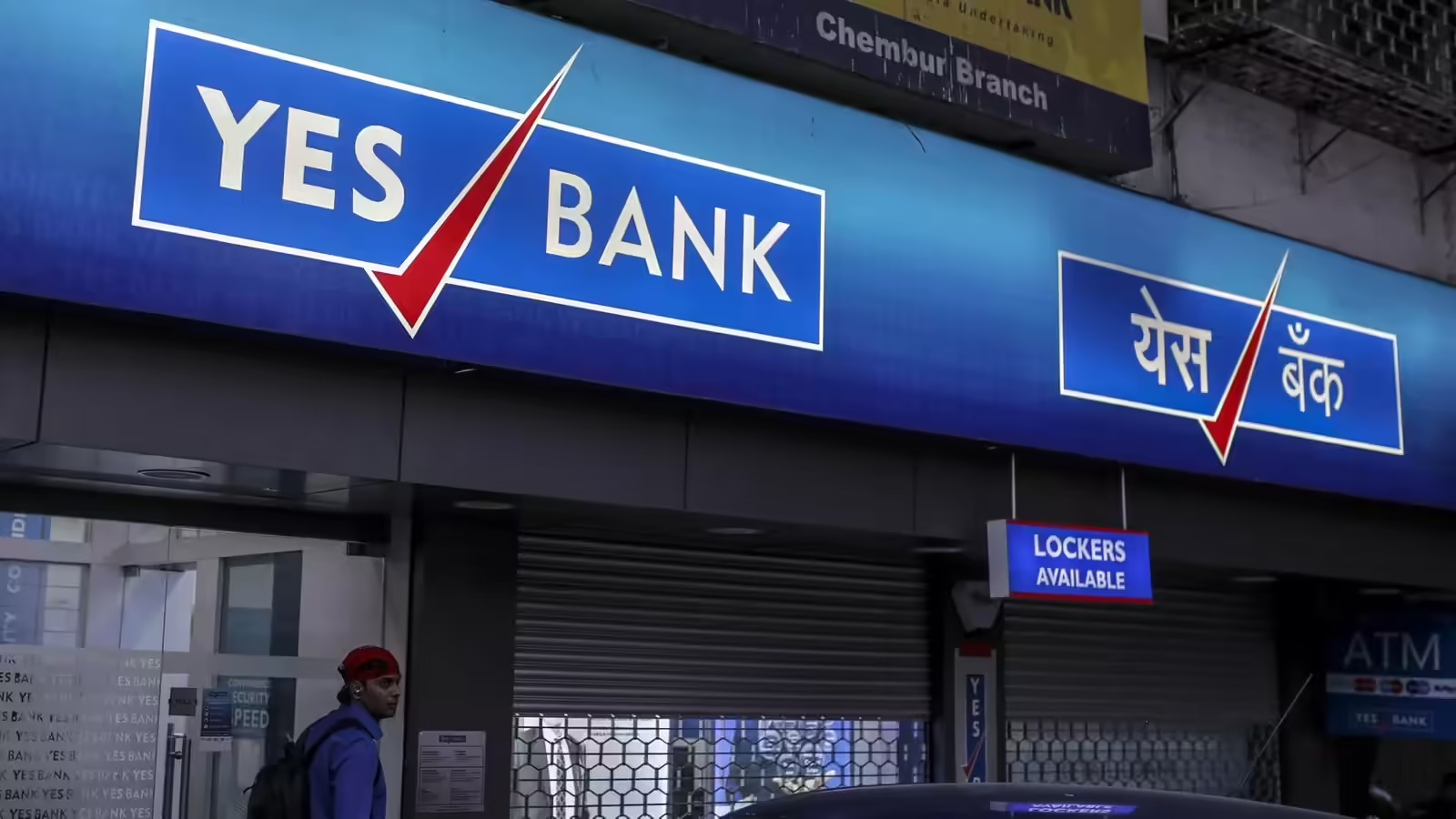
YES Bank Limited has received a major financial boost following a confirmed income tax refund order valued at 8.79 billion rupees. The newly recovered cash resource has been processed through regulatory channels, strengthening the private bank's immediate liquidity standing and overall capital reserve framework without diluting existing shareholder stakes.
MUMBAI — YES Bank Limited has officially received an income tax refund order amounting to 8.79 billion rupees ($105.7 million), delivering a significant, non-operational capital injection to the private sector lender's balance sheet.
The substantial refund, confirmed through direct statutory compliance filings with domestic stock exchanges, comes as part of settled assessment orders from the Income Tax Department. The capital inflow is expected to support the Mumbai-headquartered bank's liquid asset buffers and potentially impact its net interest income via interest accrued on tax refunds for the ongoing quarter.
Technical Tax Settlement Strengthens Balance Sheet
The 8.79 billion rupee inflow reflects resolved tax positions from prior assessment years, a routine but highly impactful financial event for large Indian banking institutions. According to corporate governance guidelines, the bank has updated its financial reporting trackers to account for the direct cash recovery.
Banking experts note that while tax refunds represent a return of advanced capital rather than core operational revenue, the sheer scale of this recovery provides an immediate lift to YES Bank's capital adequacy and overall treasury books. This development arrives at a strategic juncture as the bank continues to optimize its credit-to-deposit ratio and scale its retail lending pipelines.
Market Implications for Investors and Stakeholders
The sudden liquidity influx has drawn positive interest from the equity research community. By adding 8.79 billion rupees to its operational capital pool, YES Bank gains increased agility to deploy funds into high-yielding assets or lower-risk government securities, directly lowering capital friction.
For shareholders and institutional investors tracking the lender's ongoing turnaround narrative, this regulatory resolution removes a long-standing line item of tax uncertainty. The capital injection adds immediate book value per share, enhancing the bank’s tier-1 financial resilience without necessitating dilutive equity issuance.
Official Sources Section
The underlying parameters, scale, and execution of this financial update have been verified directly against the formal regulatory disclosures made by YES Bank Limited to the National Stock Exchange of India (NSE) and the BSE Limited. Further verification of institutional standards aligns with the ongoing assessment and filing frame laws defined by the Central Board of Direct Taxes (CBDT), operating under the Ministry of Finance, Government of India.
Quote Section
"According to officials familiar with the regulatory filing framework, the absolute sum of 8.79 billion rupees has been successfully processed and credited. The institution will factor the tax refund and any associated interest yields into its upcoming quarterly balance sheet evaluations, ensuring optimal transparency for domestic and foreign investment partners alike."
Why It Matters
For everyday depositors and corporate clients, a well-capitalized banking institution guarantees superior transactional stability and robust credit availability. In the broader macroeconomic context, large-scale tax rectifications highlight a highly functional, transparent tax administration apparatus within India's financial sector, giving global institutional funds cleaner data sets when mapping out long-term sector investments.
Key Facts at a Glance
Refund Magnitude: YES Bank has successfully secured an absolute income tax refund totaling 8.79 billion rupees.
Capital Category: The asset transfer constitutes a direct cash inflow, optimizing non-operational liquid assets.
Regulatory Compliance: Formally disclosed under prevailing SEBI listing obligations and disclosure requirements.
Strategic Deployment: The returned capital will augment internal capital generation pools, shielding core reserves from immediate operational pressures.
FAQ Section
Is the 8.79 billion rupee tax refund considered operational revenue for YES Bank?
No. An income tax refund is categorized as a regulatory asset recovery and is not part of the bank's core daily operational revenue, such as fee collections or loan interest margins.
How will this tax refund impact the bank's stock valuation?
The cash injection directly increases the liquid asset allocation on the bank's balance sheet, which typically fosters positive sentiment among retail and institutional equity investors by improving baseline book value metrics.
Does this resolution affect current depositors or interest rates?
The refund strengthens the bank's macroeconomic liquidity profiles but does not directly alter individual savings accounts, fixed deposit interest structures, or standard consumer loan terms.
Source: National Stock Exchange of India (NSE) Corporate Announcements, BSE Limited Regulatory Tracker, YES Bank Investor Relations Desk.