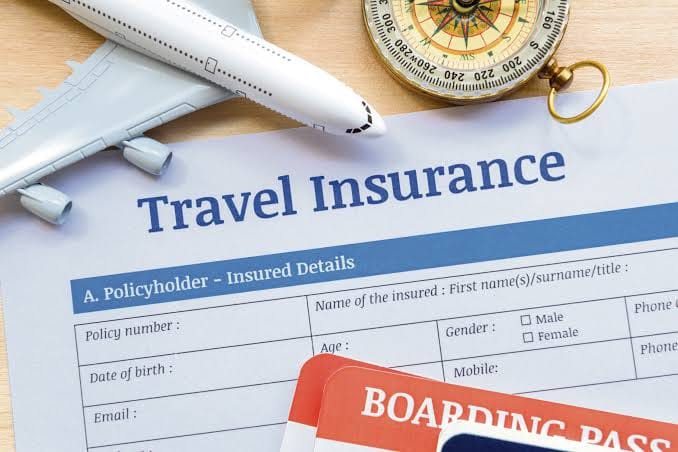
Regulators and insurance experts advise international travelers to take dedicated insurance cover for your travel ahead of overseas trips. Driven by rising global healthcare costs, 0% GST tax savings, and higher sum insured choices, dedicated travel insurance protects tourists against foreign medical expenses, cancellations, and lost baggage.
NEW DELHI — Industry experts and financial regulators on Sunday, August 2, 2026, issued renewed advisories emphasizing that Indian international travelers must take dedicated insurance cover for your travel to protect against escalating medical costs, flight cancellations, and emergency evacuations abroad. The warning follows data from the Insurance Regulatory and Development Authority of India (IRDAI) and major insurance aggregators showing a 22% year-on-year surge in policy issuance, driven by growing global health expenses and unpredictable geopolitical disruptions.
With global hospitalization charges rising sharply and major transit hubs experiencing frequent weather delays, industry analysts caution that relying solely on basic credit card complimentary coverage leaves travelers exposed to steep out-of-pocket expenses. Selecting specialized policies with comprehensive sum insured limits ensures seamless financial protection across both medical and non-medical trip emergencies.
Escalating Overseas Medical Costs Drive Need for Comprehensive Coverage
Medical treatment costs in major holiday destinations across North America, Europe, and Asia-Pacific have risen significantly over recent years. In response, Indian travelers are increasingly opting for coverage limits exceeding $250,000 (approximately ₹2.1 crore) to guard against sudden hospitalizations, emergency surgeries, or specialized medical evacuations.
Financial experts stress that when planning long-haul journeys, passengers should take dedicated insurance cover for your travel rather than assuming domestic health insurance policies apply overseas. Domestic health plans rarely extend beyond national borders, leaving uninsured travelers directly liable for intensive care room charges, prescription medicines, and emergency doctor consultations in foreign currencies.
Key Features to Verify Before Buying Travel Cover
Modern standalone travel insurance plans extend far beyond basic emergency medical care. Before departing, passengers are advised to review specific policy riders and coverage caps to ensure full alignment with their itinerary:
Trip Cancellation and Curtailment: Covers non-refundable hotel bookings and flight tickets if a journey is interrupted due to certified medical emergencies or natural calamities.
Baggage and Passport Loss: Reimburses costs associated with obtaining emergency travel documentation or replacing lost checked luggage.
Flight Delay Allowances: Pays fixed daily compensation when flight departures are delayed beyond defined waiting thresholds, usually 6 to 12 hours.
Personal Liability Cover: Offers legal and financial protection if a traveler accidentally causes property damage or bodily injury to third parties abroad.
Tax Exemptions and Regulatory Protections Enhance Affordability
A key driver boosting adoption among Indian tourists is the tax exemption policy implemented by the Indian Government, which removed the 18% Goods and Services Tax (GST) on individual and family travel insurance policies. The zero-GST regime has lowered base premiums by 18%, making annual multi-trip and single-trip covers significantly more affordable for families and frequent business travelers.
Additionally, regulatory updates from IRDAI have introduced stricter transparency rules for claim processing. Under current guidelines, insurers must maintain clear guidelines on cashless claim settlements and provide direct assistance desks for overseas policyholders facing medical distress.
Official Sources Section
Guidance regarding travel risk management and policy coverage is anchored in regulatory updates issued by the Insurance Regulatory and Development Authority of India, official travel advisories from the Ministry of External Affairs, and market analysis reports published by the General Insurance Council.
Quote Section
"According to officials from regulatory monitoring bodies, travelers who fail to secure dedicated insurance cover for your travel risk incurring severe personal debt if unexpected medical emergencies or cancellations occur abroad," consumer advisories highlighted.
Industry analysts noted that the availability of zero-GST travel policies combined with elevated sum insured options allows Indian tourists to secure high-value international protection at reasonable annual rates.
Why It Matters
Securing dedicated travel insurance carries immediate financial and operational benefits for leisure and corporate travelers:
Debt Prevention: Prevents catastrophic out-of-pocket medical bills during international hospital visits.
Visa Compliance: Fulfills mandatory visa requirements for entry into Schengen zone countries and select global destinations.
Stress-Free Transit: Provides direct compensation for flight delays, lost passports, and missing checked baggage.
24/7 Global Assistance: Connects travelers directly to international emergency desks for immediate evacuation support.
Key Facts at a Glance
Cost Reduction: Travel insurance policies benefit from a 0% GST rate, cutting premiums by 18%.
Sum Insured Preference: Over 40% of international flyers now opt for sum insured limits of $250,000 or higher.
Mandatory Visa Zones: Required for all 29 Schengen European nations with minimum €30,000 medical coverage.
Market Growth: Travel policy purchases surged 22% year-on-year as awareness of travel risks increases.
Frequently Asked Questions (FAQ)
Why should I take dedicated insurance cover for your travel instead of relying on credit cards?
Credit card complimentary cover often features low coverage limits, restrictive deductibles, and excludes pre-existing conditions or trip cancellations. A dedicated policy offers tailored sum insured limits and comprehensive medical evacuation features.
Is travel insurance compulsory for Indian citizens travelling abroad?
Travel insurance is mandatory for Schengen area visas (minimum €30,000 cover) and specific Asian and Middle Eastern destinations. While optional for other countries like the US or UK, regulators strongly recommend it due to high private healthcare costs.
When is the best time to purchase travel insurance?
You should buy travel insurance immediately after booking your flight tickets and accommodation. Purchasing early ensures trip cancellation coverage activates right away if an unforeseen emergency forces you to cancel before departure.
Are pre-existing medical conditions covered under travel insurance?
Standard policies usually exclude routine care for pre-existing conditions unless specifically added as a rider or during life-threatening emergency situations, depending on policy terms.