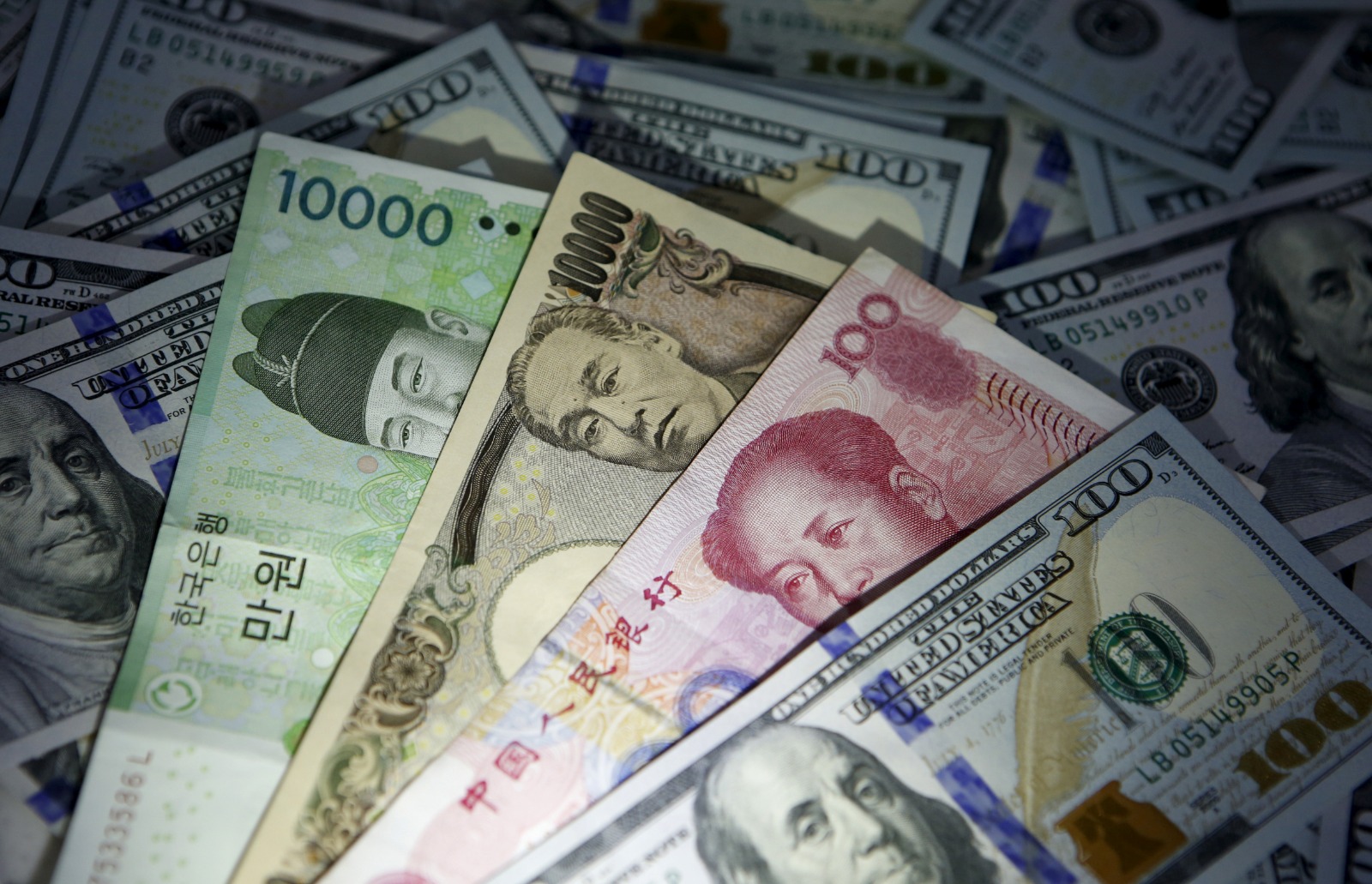
A Reuters poll shows the Chinese yuan remains the only Asian currency attracting bullish bets as manufacturing growth offsets regional risks. Meanwhile, bearish sentiment toward the South Korean won and Indonesian rupiah remains high, driven by geopolitical volatility, global oil price pressures, and ongoing concerns over capital outflows.
SINGAPORE — The Chinese yuan has maintained its position as the only Asian currency attracting bullish sentiment from investors, according to the latest Reuters poll released Thursday. While the broader emerging Asian currency landscape remains under pressure due to heightened geopolitical tensions and global economic uncertainty, market participants continue to show a distinct preference for the yuan.
The bi-weekly survey, which tracks the market positions of 15 foreign exchange analysts and traders, indicates that the yuan remains the sole bright spot in a region otherwise dominated by cautious or negative outlooks. Analysts attribute this resilience to China's recent manufacturing data, which showed a return to expansion in June, providing a buffer against sluggish domestic demand.
Regional Sentiment: Won and Rupiah Face Headwinds
Conversely, the outlook for other major regional currencies remains tepid. The Reuters poll reveals that while short bets on the South Korean won have eased slightly compared to the record-high outflows seen in May, they remain at elevated levels. The won has faced significant volatility recently, with the USD/KRW exchange rate hovering near the 1,550 level, prompting concerns of potential intervention by the South Korean Ministry of Finance to stabilize the currency.
The Indonesian rupiah continues to face the most significant bearish sentiment in the region. Although bearish bets on the rupiah eased slightly in the latest polling cycle, it remains the most shorted currency among those surveyed. Persistent pressure on the rupiah is largely tied to external factors, including the strengthening of the U.S. dollar and global oil price volatility, which continues to impact Indonesia’s trade balance and investor appetite.
Market Context and Geopolitical Risk
The prevailing caution across Asian markets is heavily influenced by the ongoing regional conflict involving the United States and Iran, which has driven up oil prices and stoked inflationary fears. This macro environment has limited the appetite for risk-on assets across emerging markets.
"The divergence in sentiment between the yuan and its regional peers highlights the specific reliance investors are placing on Chinese export resilience, particularly in the AI and green technology sectors," according to officials familiar with the survey. "In contrast, countries more heavily exposed to oil price fluctuations and external capital outflows are seeing continued pressure on their respective currencies."
Why It Matters
For investors, businesses, and policymakers, these findings underscore the shifting risk profile of the Asian foreign exchange market. The continued bullish stance on the yuan, despite regional headwinds, suggests that institutional capital is prioritizing economies with strong export-led growth catalysts. For economies like South Korea and Indonesia, the sustained bearish sentiment serves as a signal of the challenges ahead in managing currency stability amidst global financial tightening and energy price volatility.
Key Facts at a Glance
Chinese Yuan: Remains the only Asian currency in the survey to attract bullish market positioning.
South Korean Won: Short bets have moderated from recent peaks but remain high, with the 1,550 level seen as a critical threshold for potential official intervention.
Indonesian Rupiah: Remains the most bearishly positioned currency in the region, despite a marginal easing in negative sentiment.
Market Driver: Geopolitical risks, including rising oil prices, continue to dampen the outlook for emerging market currencies across Asia.
Frequently Asked Questions (FAQ)
1. Why is the yuan the only Asian currency with bullish bets?
Investors are primarily reacting to China's resilient export performance, particularly in the semiconductor and green technology sectors, which have helped manufacturing activity return to expansion.
2. Is intervention expected in the South Korean won?
Speculation persists that authorities may step in if the won continues to test the 1,550 level against the U.S. dollar, as officials have previously characterized current levels as excessive.
3. Why is the Indonesian rupiah attracting the most bearish sentiment?
Bearishness toward the rupiah is largely attributed to its susceptibility to global oil price hikes and a stronger U.S. dollar, which complicates the nation's trade and balance of payments.
Source: Reuters Market Polls, Bank of Korea, Ministry of Finance (Indonesia)