A deep political split has emerged in West Bengal as 13 TMC MPs, led by Sukhendu Sekhar Ray and Kakoli Ghosh Dastidar, met BJP Chief Minister Suvendu Adhikari. The rebel bloc is seeking separate seating from Speaker Om Birla, aiming to align up to 20 lawmakers with the NDA alliance.
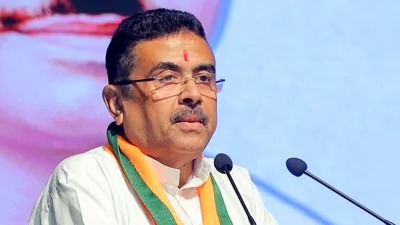
KOLKATA — The Trinamool Congress (TMC) faces an unprecedented political crisis as 13 TMC MPs, led by veteran lawmakers Sukhendu Sekhar Ray and Kakoli Ghosh Dastidar, held a closed-door meeting with West Bengal Chief Minister Suvendu Adhikari. The high-stakes huddle, conducted at a Bharatiya Janata Party (BJP) minister's private residence, has triggered widespread speculation of an imminent split within the Mamata Banerjee-led organization. This dramatic escalation follows a severe electoral setback for the TMC in the state, which paved the way for Adhikari to take office as West Bengal's first BJP Chief Minister.
Rebel Lawmakers Push for Recognition as Separate Faction
The group of dissenting legislators is reportedly finalizing plans to formally communicate with Lok Sabha Speaker Om Birla to demand independent seating arrangements in Parliament. According to sources tracking the development, the move is designed to establish a distinct legislative identity outside the control of the TMC leadership.
Under the strict anti-defection parameters outlined in the Tenth Schedule of the Indian Constitution, a formal split requires a minimum two-thirds majority of elected lawmakers to bypass immediate disqualification.
The rebel faction is actively working to expand its numbers. Senior leader Kakoli Ghosh Dastidar indicated to news agencies that approximately 20 TMC MPs are ready to offer strategic external or direct legislative support to the BJP-led National Democratic Alliance (NDA).
Internal Discontent and Corruption Allegations Fuel the Rebellion
The widening rift within the party follows months of deep internal friction. Sukhendu Sekhar Ray, a prominent Rajya Sabha member, formally resigned from the Upper House and severed his ties with the Trinamool Congress immediately before joining the group meeting. Ray publicly accused the Mamata Banerjee administration of failing to contain institutional corruption and oversight shortcomings.
Ray also revealed that his decision to demand an independent internal inquiry into police operations during the controversial R.G. Kar Medical College and Hospital case led to his systematic isolation by party managers. Lawmakers making a beeline to meet Chief Minister Suvendu Adhikari highlight a deeper, systemic rebellion brewing since the state government transition.
Impact on Citizens, Businesses, and Local Administration
The shifting balance of power in West Bengal is altering the administrative dynamic across regional districts:
For Citizens and Local Public: Chief Minister Suvendu Adhikari has reversed previous administrative precedents by explicitly inviting opposition lawmakers to regional planning meets, a dynamic he claims ensures equal development.
For Municipal Businesses and Contractors: The transition minimizes partisan friction in local municipal corporations, allowing development funding to move smoothly without the blockades common during active party rivalries.
For Institutional Investors: The political realignment offers policy predictability, stabilizing the state's commercial climate after a period of intense post-poll turbulence.
Official Sources Section
According to official briefings provided by parliamentary desks and regulatory notices uploaded to the Lok Sabha Secretariat, any formal factional split must satisfy the two-thirds threshold before the Speaker can grant independent party status. Additionally, statements from the Press Information Bureau (PIB) verify that administrative central funding allocations are proceeding normally through the Chief Minister’s office.
Quote Section
The rebel faction frames the meeting as a necessary realignment to protect national and state-level governance priorities.
"According to officials, the 13 TMC MPs met with Chief Minister Suvendu Adhikari to establish a direct channel for regional state development while distancing themselves from structural flaws within the party hierarchy."
Rebel leaders stated that they would submit their official separate faction registry to the Speaker's desk before the upcoming parliamentary session commences.
Why It Matters
The practical implications of 13 TMC MPs rebelling stretch far beyond regional optics. If the group successfully draws in the remaining members needed to meet the two-thirds constitutional threshold, it will strip Mamata Banerjee of her official status as a premier opposition anchor in New Delhi. For West Bengal, a smooth migration of senior leaders toward the ruling NDA coalition provides Chief Minister Suvendu Adhikari with an unassailable legislative cushion, allowing his cabinet to pass critical industrial land and structural reforms without state assembly disruption.
Key Facts at a Glance
The Meeting: 13 TMC MPs, led by Sukhendu Sekhar Ray and Kakoli Ghosh Dastidar, met West Bengal CM Suvendu Adhikari.
Split Intentions: Dissenting lawmakers are preparing to petition Lok Sabha Speaker Om Birla to sit as an independent legislative faction.
Resignation Action: Sukhendu Sekhar Ray resigned from the Rajya Sabha, citing institutional isolation after demanding a probe into the R.G. Kar case.
Constitutional Bar: The rebel bloc requires 19 Lok Sabha seats (a two-thirds majority) to safely bypass anti-defection disqualification penalties.
NDA Alliance: Approximately 20 TMC lawmakers are reportedly in talks to pivot their structural support to the ruling NDA alliance.
Frequently Asked Questions
Why did the 13 TMC MPs hold a meeting with CM Suvendu Adhikari?
The MPs met with Chief Minister Suvendu Adhikari to discuss a clean break from the Trinamool Congress and coordinate the formation of an independent legislative faction that intends to cooperate with the ruling NDA alliance.
Can the rebel TMC MPs be disqualified under the anti-defection law?
Under the Tenth Schedule, the MPs will face disqualification unless they can prove that at least two-thirds of the total elected TMC members in the House have agreed to break away and form the new faction.
What specific grievances led to Sukhendu Sekhar Ray's resignation?
Ray stated he faced isolation within the party after demanding an internal investigation into police misconduct during the R.G. Kar Hospital case, and further cited broader concerns regarding governance issues in the state.
Source: Lok Sabha Secretariat Communications Division, Press Information Bureau (PIB) India, Trinamool Congress Official Media Portal.