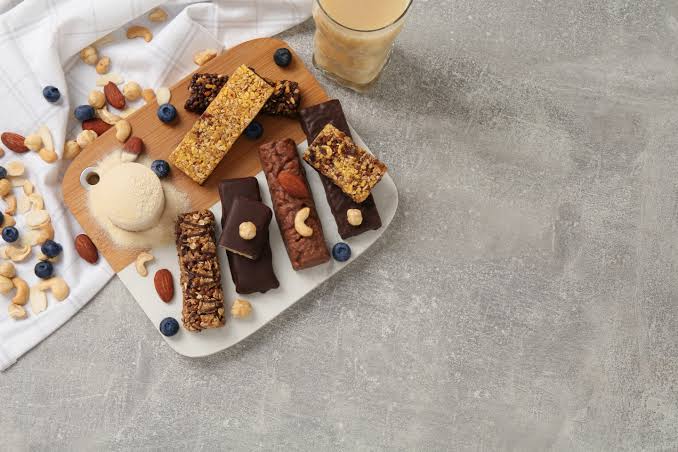
A new report reveals that 86% of Indians now prioritize protein when choosing snacks. This shift, driven by increased health awareness among professionals, is forcing FMCG manufacturers to prioritize nutritional transparency and functional ingredients, signaling a long-term evolution in the Indian packaged food market toward healthier, protein-rich alternatives.
MUMBAI — A significant majority of Indian consumers are shifting their dietary preferences, with 86% of individuals now prioritizing protein content when selecting snacks, according to the latest consumer behavior report released this week. The findings, published by the Food and Beverage Consumer Research Group, highlight a structural change in snacking habits across both urban and semi-urban demographics.
The data reveals that convenience is no longer the sole driver for snack purchases. Instead, health-conscious Indians are increasingly scrutinizing nutrition labels, favoring products that offer functional benefits—specifically muscle recovery, sustained energy, and metabolic support. This trend is forcing manufacturers to reformulate traditional snack lines and introduce specialized high-protein offerings to keep pace with evolving market demands.
Shifting Consumer Preferences
The report suggests that the surge in protein-focused snacking is largely driven by younger demographics—particularly professionals aged 25 to 40—who are balancing hectic work schedules with increased awareness of fitness and preventative healthcare.
Industry analysts observe that this prioritization is impacting diverse product categories, from traditional snacks to modern plant-based protein bars. As awareness of "hidden" additives like excess sugar and refined flour grows, consumers are seeking labels that highlight clean ingredients and higher protein density.
"The consumer is becoming increasingly educated regarding macronutrients," said an industry spokesperson. "Brands are no longer just competing on taste or price; they are now competing on nutritional transparency and the tangible health benefits a snack provides during the workday."
Market Impact and Business Strategy
The move toward high-protein snacks is forcing a transformation in the fast-moving consumer goods (FMCG) sector. Major manufacturers are responding by diversifying their portfolios to include protein-rich variants of staples, such as pulses-based chips, roasted soy nuts, and fortified dairy snacks.
For investors, this trend represents a long-term shift in consumer spending. Companies that fail to adapt their formulations to include higher protein profiles risk losing shelf space to emerging health-focused startups that have captured this segment early. Retailers are also reacting, with major supermarkets and digital quick-commerce platforms dedicating specific sections to "healthy snacking" and "high-protein" categories to capitalize on this robust growth.
Official Sources
Quote Section
Organizers stated that: "The data indicates that nutrition density is now a primary purchasing criterion for Indian families. As health consciousness becomes mainstream, the snacks industry must transition from being purely 'indulgent' to becoming 'functional,' with protein acting as the most sought-after attribute."
Why It Matters
This shift holds significant implications for public health and the retail economy. By prioritizing protein, consumers are pushing for a reduction in ultra-processed ingredients. For the broader economy, this creates a new value chain for producers of lentils, soy, nuts, and dairy products, as FMCG companies scramble to secure high-quality, plant-based and dairy-based protein sources for mass production.
Key Facts at a Glance
Primary Priority: 86% of surveyed Indians prioritize protein content when buying snacks.
Driver of Change: Rising awareness of fitness, long-term health, and metabolic wellness.
Target Demographics: High demand observed among professionals aged 25–40.
Retail Evolution: Increasing availability of functional snacks on quick-commerce and e-retail platforms.
FAQ
1. Why is protein suddenly a priority for Indian snackers?
Heightened awareness of fitness and the role of protein in muscle health and satiety is driving the shift away from purely carbohydrate-based snacks.
2. Are high-protein snacks becoming more affordable?
While initially seen as premium products, the entry of major FMCG players into the protein-snack space is gradually increasing scale, which is helping to stabilize price points.
3. What categories are seeing the most innovation?
Categories like roasted legumes, dairy-based snacks, and protein-fortified bars and crackers are witnessing the most significant innovation.
4. Is this trend restricted to urban areas?
The report indicates that while adoption started in metropolitan areas, interest in high-protein snacks is rapidly spreading to tier-2 and tier-3 cities due to increased digital access and health literacy.
Source: Food and Beverage Consumer Research Group, Ministry of Commerce and Industry Reports