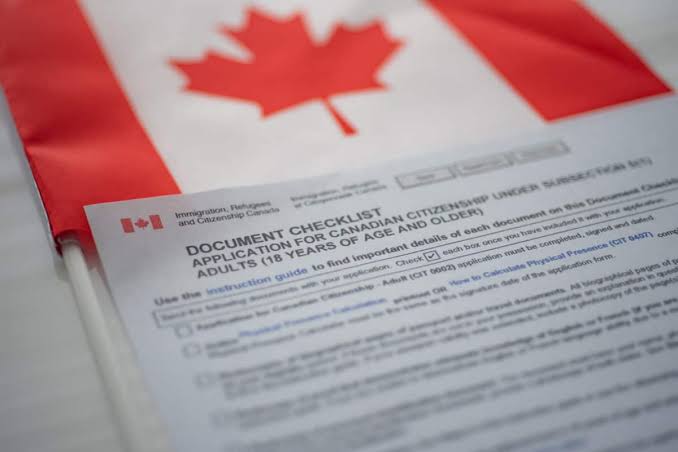
Immigration, Refugees and Citizenship Canada (IRCC) updated its weekly temporary visa parameters. The revisions bring a major 16-day drop in Super Visa processing for Indian parents, down to 50 days. However, high seasonal volumes have extended study permit processing timelines to 5 weeks for Indian students.
NEW DELHI — Immigration, Refugees and Citizenship Canada (IRCC) officially altered its weekly processing updates on July 2, 2026, creating notable shifts in temporary residence application timelines for applicants across the Indian subcontinent. As Canada revises visa wait times to reflect fluctuating application backlogs and shifting internal processing volumes, Indian travellers looking to visit, work, or study in North America face a highly varied administrative environment. While families seeking long-term reunification under the Super Visa stream will experience substantially faster outcomes, prospective international students face longer assessment queues as the upcoming autumn academic term approaches. These adjustments are vital for corporate human resources teams, travel management companies, and individual applicants structuring their immediate departure schedules.
Major Reductions in Super Visa and Visitor Timelines
The most pronounced administrative relief detailed in the latest federal report affects the Super Visa category, a specialized pathway allowing parents and grandparents of Canadian citizens or permanent residents to stay for extended durations. According to data distributed by the Canadian immigration department, the average wait time for Super Visa applicants lodging files from India has dropped sharply to 50 days, down from 66 days just one week prior. This 16-day acceleration positions Indian applicants well clear of the internal 112-day corporate service standard maintained by the department, marking one of the fastest processing cycles recorded for the region this calendar year.
Simultaneously, standard tourist and temporary leisure applications saw minimal but positive movements. The wait time for a standard visitor visa submitted from outside Canada dropped down to 21 days from the previous 22-day baseline. Immigration experts emphasize that these numbers reflect historical processing speeds representing the duration required to finalize roughly 80% of applications in normal operating queues.
Mixed Impacts for Indian Students and Specialized Workers
In contrast to the accelerating pace of family reunification tracks, the academic cohort faces minor friction. As Canada revises visa wait times ahead of peak enrollment cycles, processing times for student study permits filed from India increased to 5 weeks, up from the steady 4-week timeline seen throughout the late spring months. This incremental one-week slowdown is attributed to the seasonal surge in volumes ahead of the traditional September university term, prompting officials to warn students against last-minute filings.
For the corporate sector and skilled labor force, the timelines for employment clearance remain largely static. The processing window for an open or employer-specific Canadian work permit submitted from India remained unchanged at 9 weeks. The stability gives multinational corporations and tech organizations a predictable framework for onboarding foreign talent, even as in-country processing within Canada managed to drop to its lowest yearly level at 129 days.
Comparative Overview of Processing Disparities
The latest documentation underscores a unique scenario where Indian applicants are experiencing faster processing turnarounds than peers submitting from other prominent geographic jurisdictions. For instance, while an Indian applicant can expect a Super Visa determination within 50 days, an applicant filing from the United States faces an extended queue that recently climbed by nearly three weeks to touch 123 days.
The structural variance emphasizes that regional visa office allocations and technical screening backlogs heavily influence individual file velocity. As Canada revises visa wait times on a weekly basis, discrepancies between processing expectations and actual outcomes continue to hinge entirely on document accuracy, biometrics completion speeds, and background verification depth.
Official Sources Section
Regulatory disclosures regarding temporary residency permits are maintained directly via the official web infrastructure of Immigration, Refugees and Citizenship Canada. Broader operational metrics and statistical summaries are aggregated weekly by authorized immigration data repositories, including CIC News Reports.
Quote Section
"According to officials monitoring international intake volumes, the current changes represent an ongoing effort to clear localized backlogs before peak operational constraints hit during late summer," noted the department's latest brief. "Applicants must acknowledge that published figures remain fluid estimates rather than strict performance guarantees."
Why It Matters
As Canada revises visa wait times, understanding the exact weekly shifts is vital for managing travel overhead and avoiding costly visa rejections. For the high-volume student corridor, a one-week delay can directly complicate orientation timelines and housing arrangements. Conversely, the accelerated Super Visa timeline enables families to minimize the logistical uncertainties traditionally associated with hosting senior relatives abroad.
Key Facts at a Glance
Super Visa Breakthrough: Processing times for Indian parent and grandparent applicants dropped by 16 days, stabilizing at 50 days total.
Student Tracking: Study permits for Indian applicants slowed down slightly, shifting from a 4-week window to a 5-week duration.
Visitor Easing: The baseline requirement for standard tourist visas fell fractionally to 21 days after biometrics verification.
Work Stability: Employment permits remain tied to a 9-week turnaround time for all standard outside-Canada applications filed from India.
FAQ Section
Why does Canada change its visa processing times so frequently?
The immigration department adjusts its posted metrics every week based on incoming application volumes, the complexity of seasonal cases, and the operational capacities of localized visa offices.
Does the revised timeline guarantee my visa will be approved within that window?
No. The timelines represent historical estimates based on how long it took to finalize 80% of applications in recent months. Individual files requiring intensive background checks or extra documents will take longer.
When should Indian students apply to ensure they arrive before the fall semester?
Given the newly expanded 5-week window for study permits, immigration counsel suggests filing applications at least two to three months before the designated course start date to cushion against seasonal variations.
Source: Immigration, Refugees and Citizenship Canada (IRCC) Portal, CIC News Immigration Processing Data Desk.