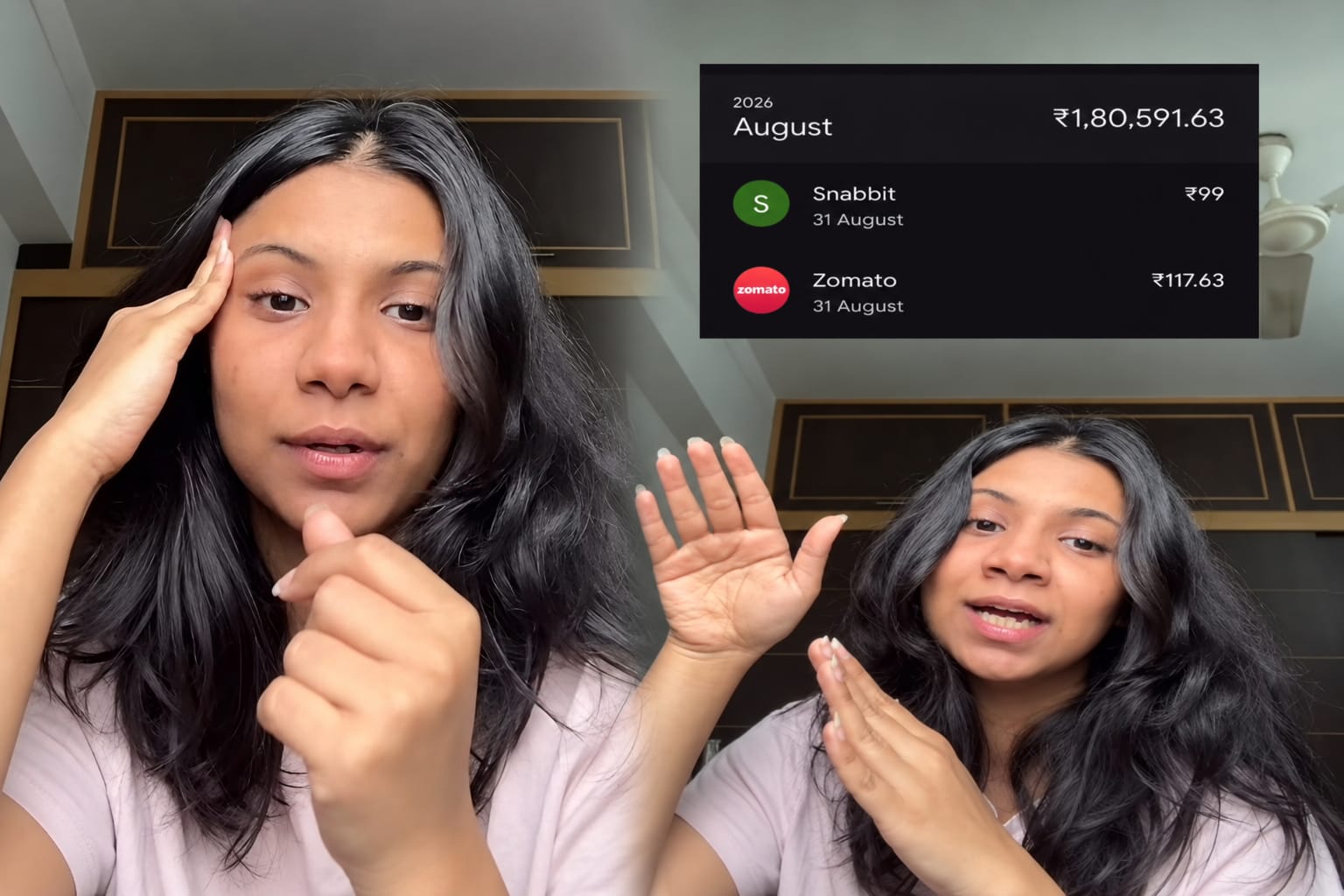
A Bengaluru resident's revelation of spending ₹1.8 lakh in August has sparked a viral online debate regarding the high cost of living in India's tech capital. While some locals called the steep outlays normal for upscale neighborhoods, others emphasized the impact of lifestyle choices and tracking inaccuracies.
Bengaluru — Rising metropolitan living costs came under intense digital scrutiny this week after a Bengaluru-based entrepreneur shared a review of her monthly outlays. Trisha Sidhwani, founder of Neat Scents, took to social media on September 3, 2026, to disclose that her total spending for the month of August touched ₹1,80,591 while living in the city's tech-heavy HSR Layout. Expressing shock at the final tally, she questioned whether the figure reflected standard expenditure for urban professionals in India's Silicon Valley, triggering a wide-ranging online debate regarding lifestyle inflation and household budgets.
Viral Disclosure and Digital Reactions
The shared screenshot of the monthly expenditure quickly drew substantial engagement across social media platforms, dividing commenters into distinct camps regarding what constitutes a standard cost of living in metropolitan hubs. While several local residents and tech professionals noted that the figure aligned with urban realities—pointing to high residential rentals, discretionary spending, and utility costs in upscale neighborhoods—others argued that such totals point to lifestyle choices rather than baseline living requirements.
Financial analysts observing the trend noted that aggregate totals often mask underlying nuances. Several internet users pointed out that digital tracking applications frequently aggregate internal fund transfers, investment allocations, and savings movements alongside actual consumer spending, suggesting that raw figures may exaggerate true monthly consumption. Conversely, alternative commenters shared personal budgets scaling past ₹3 lakh, while frugal residents maintained that comfortable living remains achievable on a fraction of that amount.
Socioeconomic Pressures in Metropolitan Tech Hubs
The widespread discussion mirrors recurring conversations regarding the financial strain faced by young professionals and families residing in India's primary technology centers, including Bengaluru, Mumbai, and Gurugram.
According to urban consumer expenditure metrics and local market trends, rental values in prime micro-markets like HSR Layout, Indiranagar, and Koramangala have surged over recent years. Coupled with rising dining-out expenses, transit costs, and lifestyle services, middle-to-upper-income earners find themselves navigating cost structures that rival major global capitals.
Practical Impact on Consumers and Market Observers
The viral discussion carries noteworthy implications across multiple consumer sectors:
For Urban Households: The discourse underscores the growing necessity for granular financial tracking and detailed budgeting to distinguish between mandatory living expenses and discretionary lifestyle choices.
For Financial Planners: Wealth advisors frequently caution against relying on broad social media benchmarks, emphasizing that individual financial goals, debt obligations, and asset-building strategies dictate optimal spending levels.
For Retail and Service Sectors: Premium consumer brands continue to target high-earning urban professionals whose discretionary spending patterns sustain the expanding metropolitan service economy.
Official Sources Section
Market analyses, urban expenditure trends, and community responses are drawn from consumer reports, local real estate evaluations, and verified public commentary tracked across national financial publications and digital platforms.
"According to officials and urban economists, rising cost-of-living metrics in Tier-1 technology clusters reflect structural increases in real estate valuations, localized service inflation, and changing consumption habits among young corporate earners," market analysts noted.
Why It Matters
As urban inflation shifts consumer purchasing power, public conversations regarding high monthly outlays highlight the widening disparity between different strata of city dwellers. Understanding the true drivers of metropolitan expenditure helps households implement disciplined financial planning while navigating an increasingly expensive urban landscape.
Key Facts at a Glance
Reported Expenditure: ₹1,80,591 spent during the month of August by a Bengaluru-based resident.
Location Context: The consumer resides in HSR Layout, a prominent residential and commercial technology hub in Bengaluru.
Public Response: Online reactions remained deeply divided, with some citing similar expenditures while others reported living comfortably on significantly lower budgets.
Methodological Caveat: Financial commentators noted that automated expense trackers often include internal transfers and investments alongside retail consumption.
FAQ Section
Why did the Bengaluru woman's expenses go viral?
Her social media post revealing a ₹1.8 lakh monthly spend in August sparked a widespread public debate over the actual cost of living for urban professionals in Bengaluru.
What factors contribute to high living expenses in HSR Layout?
Prime micro-markets in Bengaluru experience elevated rental costs, steep lifestyle and dining expenses, and rising utility outlays compared to peripheral city zones.
Do automated expense apps accurately reflect true spending?
Not always; financial users pointed out that auto-aggregated spending totals frequently lump together self-transfers, mutual fund investments, and credit card bill clearances alongside actual consumption.
Can individuals live on a much lower budget in Bengaluru?
Yes. While high-end lifestyles demand substantial capital, numerous residents shared that baseline living expenses can be managed much more economically depending on accommodation choices and lifestyle requirements.
Source: Consumer expenditure surveys, real estate market reports, and digital platform public interactions.